

The Power of the Unplayed Note
In music, what you don’t play can be as important as what you do. Restraint is not weakness; it’s wisdom. This principle is the quiet heart of the best Americana ballads. While pop music often builds to a massive, layered crescendo, a great Americana song
understands that space creates tension. It’s the pause after a devastating lyric, the sparse arrangement that lets a single guitar note hang in the air, the vocalist who pulls back instead of belts. This creates a vacuum that the listener’s own emotions rush to fill. Instead of being told how to feel by a wall of sound, you’re invited to lean in and listen closer. The quiet moments foster a deeper connection, turning a performance into a shared, intimate experience.
Letting the Story Breathe
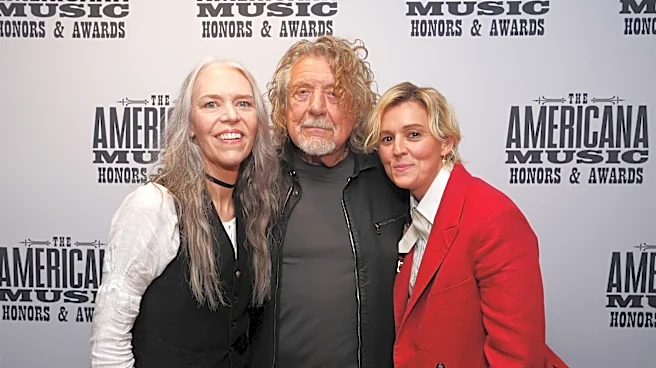
Americana is, first and foremost, a songwriter's genre. It’s built on the primacy of narrative—telling stories of heartbreak, hope, and the realities of everyday life. An overly busy arrangement can suffocate the story, cluttering the very thing the song exists to deliver. Restraint serves the lyric. Think of a classic from the genre's canon; often the arrangement is simple, with a verse-heavy structure that allows the narrative to unfold without interruption. At this year’s Americana Awards, Brandi Carlile took home Song of the Year for “Returning to Myself,” a title that itself suggests a stripping away of pretense. When the music is peeled back to its essentials—often just a voice and an acoustic instrument—the words have nowhere to hide. They land with more clarity, weight, and emotional force.
Authenticity Over Spectacle
More than any specific sound, Americana is defined by a feeling of authenticity. It’s a genre that values a voice with some grit and mileage on it, one that sounds like it has lived the stories it tells. A restrained performance is the ultimate act of confidence in that authenticity. It declares that the song and the singer are enough, no pyrotechnics needed. When an artist like Gillian Welch, who along with David Rawlings was again named Duo/Group of the Year, stands on the Ryman stage, the power isn't in volume but in unwavering conviction. Their unvarnished, organic quality makes the listener feel closer to the song. This approach is a direct reaction to the polish of mainstream pop and even modern country, carving out a space where emotional honesty is the main currency.
The Listener as Co-Creator
A restrained ballad doesn't just present an emotion; it evokes one. By leaving space, the songwriter and performer invite the listener to become an active participant. Your own experiences and memories color the quiet moments, making the song’s story feel personal. It's the difference between watching a movie with the score telling you every emotional cue and reading a book where your imagination builds the world. Jason Isbell is a master of this, using vivid, specific details that somehow become universal, forcing you to confront the “elephant in the room” he so brilliantly sketches. This artistic choice reflects a deep respect for the audience, trusting them to feel the weight of what’s left unsaid. It's a quiet confidence that the story is strong enough to stand on its own, and that the listener is smart enough to get it without being screamed at.