


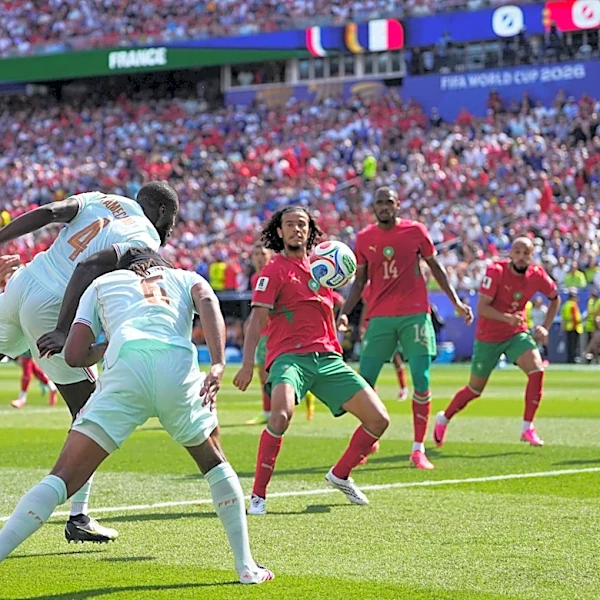







The Controlled Chaos of the Box
A corner kick is one of soccer’s most potent scoring opportunities. It’s a set-piece, a dead-ball situation where the attacking team gets a free delivery into the most dangerous area of the field. For the defending team, it's a few seconds of pure, high-stakes
stress. Dozens of things can go wrong. A missed header, a lost assignment, a clever attacking run—any single lapse in concentration can lead to a goal. This is why a team's marking strategy isn't just important; it's a direct reflection of its discipline, communication, and tactical identity. Without a clear plan, you're just inviting the opposition to score.
Man-to-Man: The Personal Duel
The most traditional approach is man-to-man marking. The concept is simple: each defender is assigned a specific attacker and is responsible for sticking with them no matter where they go. The advantage is clear accountability. If your player scores, it’s on you. This strategy focuses on preventing specific players from getting a shot rather than protecting a space. However, it has weaknesses. Attackers can use screens and clever movement to “pick” defenders off, creating separation. A defender can also lose sight of the ball while shadowing their mark, making it impossible to challenge the cross effectively.
Zonal Marking: Guarding the Space
In recent years, zonal marking has become increasingly popular. Instead of marking a player, each defender is assigned a specific zone within the penalty area—typically high-traffic spots like the near post, the six-yard box, and the penalty spot. Their job is to attack and clear any ball that enters their zone. The main benefit is that defenders are always facing the ball and can attack it aggressively without being blocked or dragged out of position. The downside? Attackers can get a running start into a zone, overpowering a static defender. It also requires flawless communication to handle overloads or runners moving between zones.
Hybrid Systems: The Best of Both Worlds?
Recognizing the flaws in both pure systems, most top-level teams now use a hybrid or mixed marking strategy. This approach blends the two concepts. A team might assign a few of its best defenders to man-mark the opponent's biggest aerial threats, while other players are positioned in key zones to clear the ball. For example, four or five players might defend zonally near the goal, while another three or four are tasked with man-marking duties. This allows a team to protect critical space while also neutralizing the most dangerous individuals, offering a more balanced and flexible defensive structure.
Where It All Goes Wrong
No matter the system, goals from corners often come down to human error. A primary breakdown occurs when attackers use movement to create confusion. By bunching players together and then sending them on crossing runs, offenses can cause defenders to hesitate, switch assignments incorrectly, or simply lose their man in the crowd. Another common failure is losing the “second ball.” Even if the initial cross is cleared, the ball often falls to an unmarked attacker lurking at the edge of the penalty area. Teams that don't account for this second phase are just as vulnerable. Ultimately, marking on a corner is a test of individual responsibility and collective organization under immense pressure.