







A Game of Inches and Intent
At its core, the chaos is a battle for separation. For an attacking player, the goal is simple: create just a few inches of space from your defender precisely as the ball arrives. This tiny gap is the difference between getting a powerful, unimpeded header
on goal and having your attempt blocked or misdirected. To achieve this, attackers use a variety of tactics, from clever decoy runs that drag defenders out of position to using teammates as screens or 'blockers' to shed their marker. The defender's job is to prevent this separation at all costs, and that’s where the physicality begins. The attacker initiates a complex dance of movement, and the defender must mirror it perfectly.
The Defender's Desperate Measures
When a team employs a man-marking strategy, each defender is assigned a specific opponent and is solely responsible for them. This creates intense, one-on-one duels all over the box. The defender is inherently at a disadvantage; they are reacting to the attacker's movements. If an attacker gets a running start, it's almost impossible for a static defender to out-jump them. To counteract this, defenders resort to the 'dark arts': a subtle shirt pull, a slight nudge to disrupt balance, or using their body to physically block the attacker's path. These actions are designed to impede the runner just enough to level the playing field, ensuring they can't get a clean run at the ball. One of the main negatives of man-marking is this exact risk of holding shirts and conceding a penalty.
The Referee's Impossible Task
Technically, holding, pushing, or impeding an opponent is a foul that should result in a penalty kick. However, referees face a near-impossible dilemma during corners. With 15 or more players packed into a small area, there's contact everywhere. Both attackers and defenders are guilty of grabbing and shoving. Singling out one offender is incredibly difficult, and if a referee were to call every minor infraction, they would be awarding multiple penalties per game and grinding the match to a halt. This reality has created an unwritten rule: a certain level of physical contact is tolerated. A penalty is typically only given for an egregious, sustained hold that clearly prevents a player from playing the ball, especially if the offender isn't even looking at the ball. This gray area is what players on both sides exploit to its absolute limit.
Is There a Better Way?
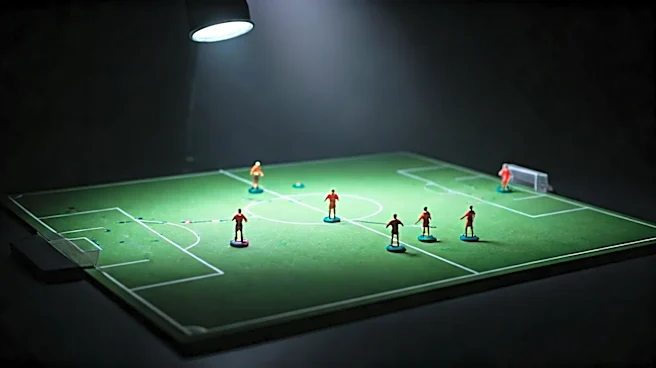
The primary alternative is zonal marking, where defenders are responsible for a specific area of the box rather than a specific player. The idea is that defenders can focus on attacking the ball when it enters their zone without being dragged out of position. This system can reduce the one-on-one wrestling matches, but it has its own drawbacks. Attackers can get a running start and target the 'seams' between zones, and confusion can arise over who is responsible for a particular player. Because of these weaknesses, many top teams now use a hybrid system, combining zonal defenders in key areas with man-markers assigned to the opposition's biggest aerial threats. But even this doesn't eliminate the problem entirely, as the man-marking assignments still lead to those familiar grappling contests.