


The Architecture of Dread
Horror movies often rely on claustrophobia or imposing, gothic settings to create fear. We expect terror in a cramped cellar or a decaying castle. But 'Halloween' terrified audiences in 1978 by bringing horror to the one place that was supposed to be
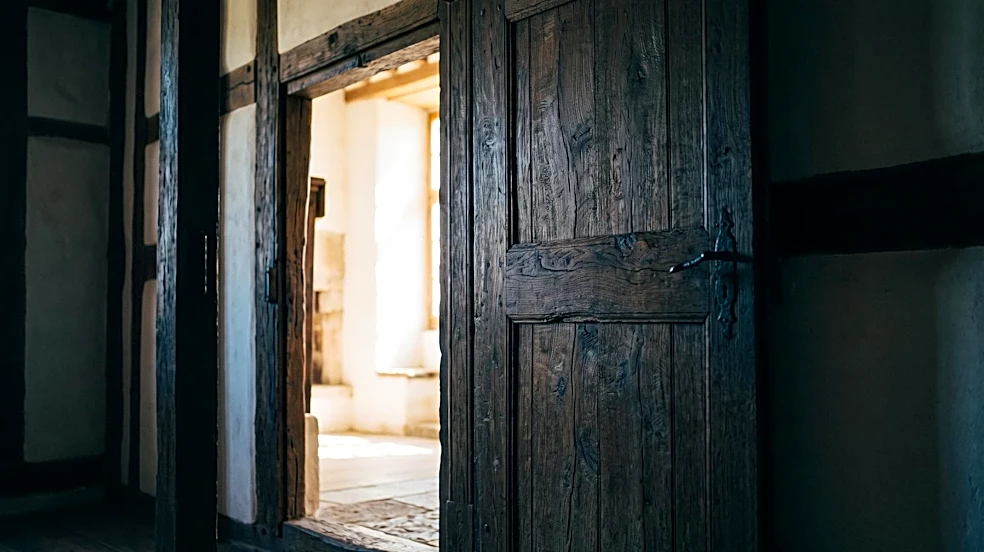
safe: the American suburb. Director John Carpenter and cinematographer Dean Cundey chose to shoot in a widescreen Panavision format, which was unusual for a low-budget horror film at the time. Instead of tight, confined shots, they used the wide frame to make the ordinary streets and homes of Haddonfield, Illinois feel vast and exposed. Within that space, the simple, everyday doorway became a primary tool of terror, transforming a symbol of entry and exit into a stage for a silent, patient evil.
The Shape in the Frame
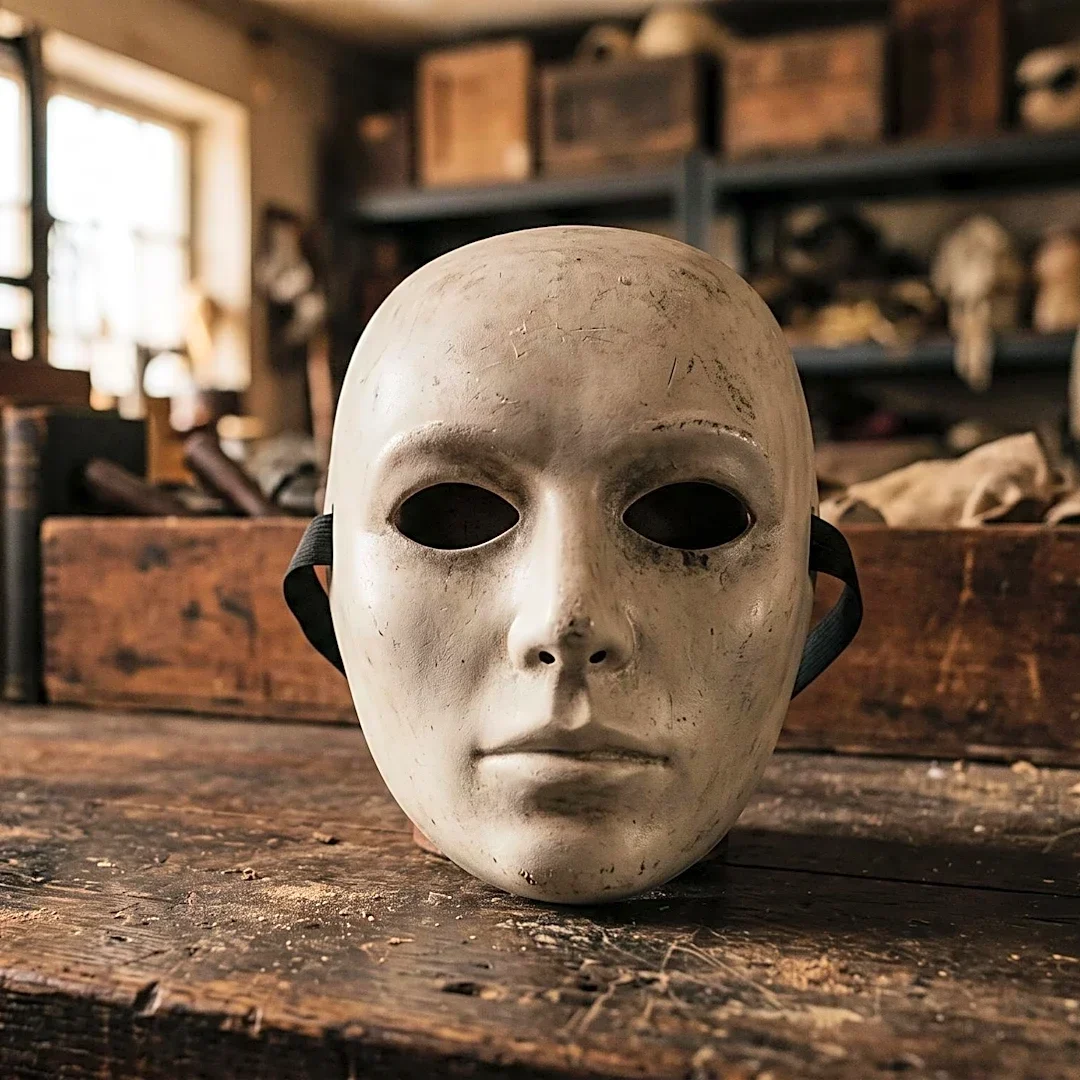
Much of the film's visual genius lies in how it places Michael Myers, credited as 'The Shape', within the frame. Carpenter frequently positions him at the dark edges of the screen, often within a doorway or just outside one. Think of Laurie Strode (Jamie Lee Curtis) looking out her classroom window to see him standing across the street, or the chilling moment he appears in the doorway behind her after she discovers her friends' bodies. The widescreen format means there’s a lot of empty space, forcing the audience's eyes to scan the shadows and corners, actively searching for the threat. The doorway becomes a perfect 'frame within a frame', drawing our attention and creating a pocket of pure dread. The fear isn't that he might jump out, but that he is simply there—a silent, unmoving figure occupying a space that should be empty.
Violating the Threshold
A doorway is more than just an opening; it's a psychological barrier between the safety of 'inside' and the unknown of 'outside'. 'Halloween' masterfully exploits and then shatters this concept. The entire climax of the film revolves around Laurie's desperate attempts to secure the Doyle house against Michael. She locks the doors, but he finds a way in. She flees, only to find herself locked out while he slowly approaches. The most terrifying scene for many viewers doesn't even feature Michael directly. It's when Laurie, battered and screaming for help, bangs on a neighbor's front door. A light comes on, the blinds part, and then the light goes out, leaving her in darkness. In that moment, the doorway becomes a symbol of failed sanctuary and the chilling indifference of a community that won't get involved. Haddonfield's evil isn't just Michael; it's the neighbors who choose to lock their doors and turn off the lights.
The Slow Burn of Suspense
What makes Carpenter's use of the doorway so effective is its patience. In many horror films, a doorway is a setup for a jump scare. In 'Halloween', it’s a tool for building almost unbearable suspense. When Michael appears as a ghost, wearing a sheet with glasses over it, he doesn't immediately attack Lynda. He just stands in the doorway, tilting his head, an unsettling and curious gesture that unnerves both Lynda and the audience. This moment of quiet observation is far more disturbing than a sudden lunge. Carpenter understands that the anticipation of violence is often more frightening than the violence itself. The doorway is his stage for these slow-burn moments, forcing viewers to wait, to watch, and to dread what will happen when The Shape finally decides to step through.