





From Jingle to Global Event
The first official World Cup song, “El Rock del Mundial,” was a local rock-and-roll track for the 1962 tournament in Chile. For decades, the songs were mostly promotional afterthoughts. That all changed in 1998 with Ricky Martin’s “La Copa de la Vida
(The Cup of Life).” It wasn't just a song for a tournament; it was a full-blown global pop hit that turned stadiums into dance floors. This set the modern template: an energetic, multilingual, and relentlessly optimistic track engineered for mass appeal. The goal was no longer just to have a theme, but to create a cultural event that could stand on its own. This shift transformed the anthem from a simple jingle into a centerpiece of the World Cup’s pageantry and marketing machine.
The Science of the Singalong
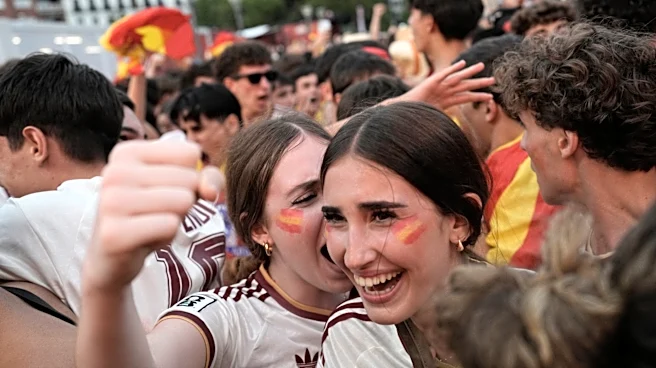
World Cup songs are designed to be inescapable earworms. Musically, they rely on a proven formula: a simple, repetitive chorus, an upbeat tempo, and universal themes of unity, victory, and celebration. This structure makes them easy for fans from different cultures and who speak different languages to sing along to. Sociological studies show that singing in large groups releases endorphins and creates a sense of unity, turning strangers into a single, cohesive voice. This phenomenon, known as “collective effervescence,” is the psychological engine that transforms passive listening into an active, shared ritual. When tens of thousands of people chant the same hook, they aren’t just watching a game; they are participating in a collective emotional experience that strengthens their sense of belonging.
Official vs. Unofficial Anthems
While FIFA commissions an official anthem for each tournament, fans often adopt their own. The 2010 World Cup in South Africa is a prime example. While Shakira’s “Waka Waka (This Time for Africa)” was the official song and a massive success, K'naan's “Wavin' Flag” became the tournament’s unofficial soul. Originally a Coca-Cola promotional song, its message of hope and resilience resonated so deeply it became one of the defining sounds of that summer. Similarly, England fans have their own songbook, with “Three Lions (Football’s Coming Home)” reappearing during every major tournament since 1996. These organic anthems often have more staying power because they spring from fan culture itself, capturing a specific emotional truth that a globally marketed pop song sometimes can't.
Creating a Lasting Memory
The most successful cup songs do more than just get you hyped for a match; they create a permanent soundtrack for that moment in time. Hearing “Waka Waka” instantly transports millions back to the sound of vuvuzelas in South Africa in 2010. These songs become cultural markers, forever linking a specific summer to a specific sound. They don't just capture the spirit of the tournament; they bottle it. Years later, the songs act as a powerful form of nostalgia, allowing fans to relive the emotions of a particular World Cup long after the final whistle has blown. For the upcoming 2026 World Cup, hosted across North America, multiple songs have been released, including an official anthem titled "DNA" and an official song called "Dai Dai" by Shakira and Burna Boy, aiming to create the next generation of lasting memories.