
The Allure of the Human Touch
A perfectly smooth, mass-produced object screams efficiency. A piece with a subtle grain, an uneven weave, or a hand-hammered surface tells a different story. These imperfections are markers of authenticity
and craftsmanship. They suggest that a human hand, not just a machine, was involved in the creation process. This perception is deeply rooted in the Japanese aesthetic of wabi-sabi, which finds beauty in things that are imperfect, impermanent, and incomplete. In fashion, this translates to embracing materials and techniques that introduce slight variations, such as fabrics dyed with natural pigments or textiles with irregular surfaces. This visible effort and uniqueness signal a departure from the uniformity of fast fashion, creating a sense of rarity and, by extension, luxury.
Texture as a Storyteller
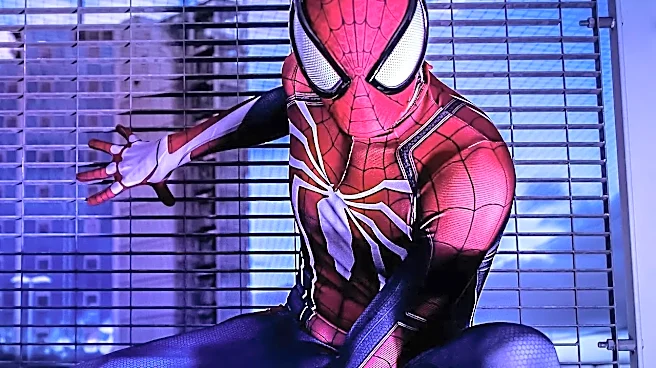
In the worlds of fantasy—whether on screen or in couture—every object needs a backstory. Texture is a powerful tool for narrative. A leather jacket with subtle creases suggests a history of long journeys. A metal gauntlet with a slight patina feels like it has seen battle. Costume designers call this process "aging" or "distressing," using techniques to create realistic wear and tear, like focusing stains and scuffs on areas like cuffs, collars, and knees. These details make a fantasy world feel tangible and lived-in. The imperfection isn't a flaw; it's evidence of a life and a history, transforming a simple prop or garment into an artifact with a soul. This sense of history adds a layer of richness that a brand-new, pristine item could never achieve.
The Psychology of Perceived Value
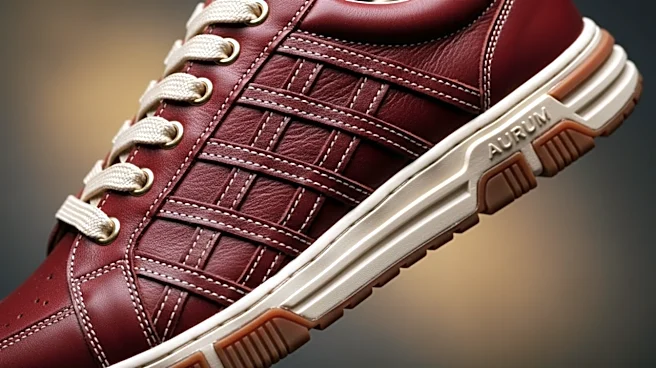
Our brains are wired to make snap judgments based on touch and sight. The tactile experience of a fabric is a primary driver of how we perceive its value. Rougher, more resilient textures like raw leather or heavy tweed can evoke a sense of durability and authenticity. Smooth, shiny surfaces often read as polished and modern, but can also feel synthetic or impersonal. In contrast, natural, complex textures—like linen, wool, and open-grain wood—engage our senses and create a deeper emotional connection. This sensory engagement makes an item feel more substantial and significant. Studies have shown that a positive tactile experience can even increase a consumer's willingness to pay more for an item, as the feel of the material communicates quality long before the price tag does.
From Cinematic Worlds to Everyday Luxury
The principles that make a fantasy costume feel authentic are the same ones that high-end fashion brands use to communicate exclusivity. Luxury today is often defined by subtlety and material honesty rather than loud logos. Designers are increasingly using texture to create dimension and character in their collections, moving away from perfect polish toward something more emotionally resonant. A nubby boucle jacket, a raw-hemmed linen shirt, or a hand-knit sweater all use texture to signal craftsmanship and quality. By combining different textures—like smooth silk with chunky knitwear—designers create outfits that are visually and sensorially rich. This move toward tactile intelligence allows clothing to tell a story of artistry and thoughtful production, making the wearer feel they own a piece of that story.