


The Art of the Festival Set
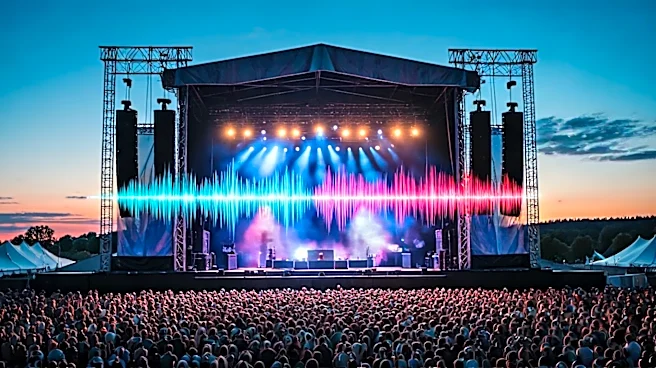
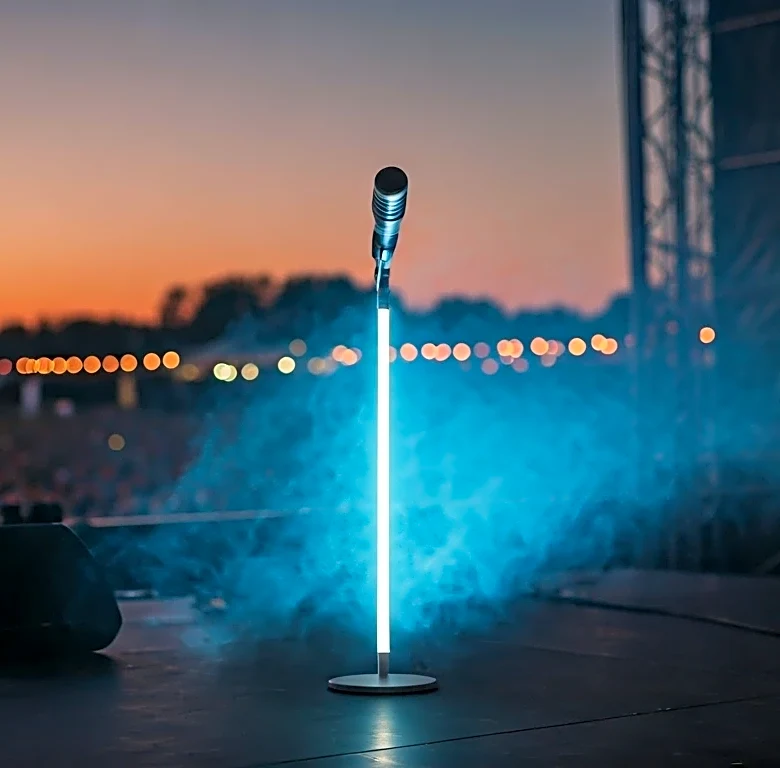
A great Bonnaroo set is an exercise in organized chaos and mass conversion. The artist steps onto a stage facing a sea of humanity, a huge portion of which might have just wandered over from the gyro stand, blissfully unaware of their biggest hits. The mission
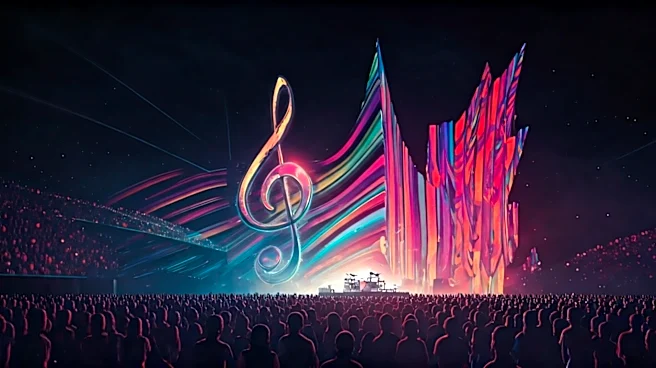
isn't to satisfy existing fans; it's to create new ones, and the clock is ticking. With a truncated 60- or 75-minute slot, there’s no room for slow-burn intros or indulgent deep cuts. A festival set is a high-impact greatest hits collection, an explosive sprint designed to grab a distracted audience by the collar. The energy has to be immediate. The first three songs are a critical audition. Are you interesting enough to make someone skip the beginning of the next act? Can you create a moment memorable enough to cut through the sensory overload of a four-day party? Bonnaroo, with its legendary late-night slots, adds another variable. A 2 a.m. performance isn't just a concert; it's a psychedelic endurance test. Here, artists like Pretty Lights or Fred again.. don't just play songs; they curate a marathon vibe, a shared experience for the stalwart survivors who are still going strong. The great festival set is a miracle of adaptability, a raw, unpredictable, and often transcendent moment of connection with a crowd you have to earn, song by song.
The Precision of the Arena Show
If a festival set is a sprint, the headlining tour stop is a perfectly choreographed marathon. This is the artist’s kingdom. Every single person in the room paid specifically to see them. They know the lyrics to B-sides, they understand the inside jokes, and they’ve been anticipating this night for months.
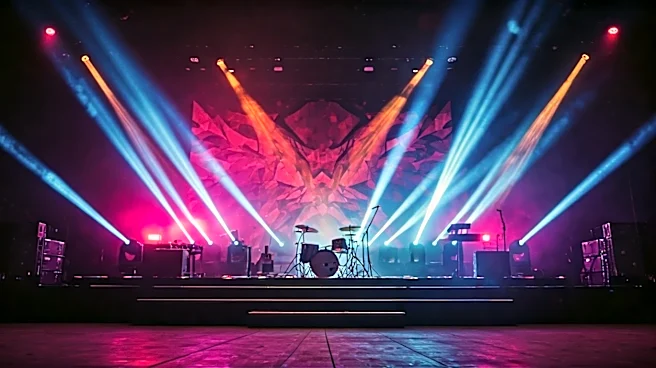
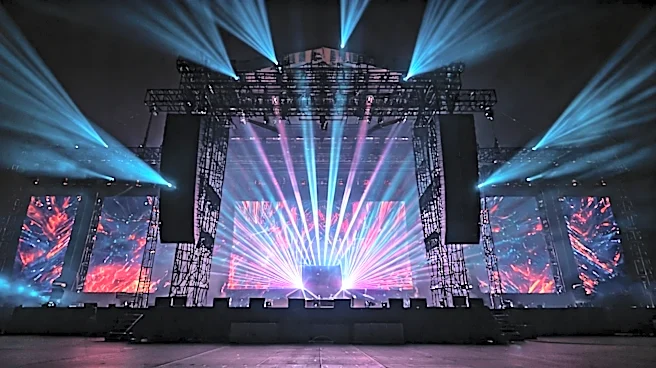
The pressure here is different. It’s not about winning over strangers; it's about delivering on a promise to your most dedicated followers. The setlist is a narrative arc, with peaks, valleys, acoustic breakdowns, and emotional crescendos. The artist has complete control over the environment, from the meticulously designed lighting rigs and video screens to the pyrotechnics that fire at the exact same millisecond every night. Think of Taylor Swift’s Eras Tour or a classic U2 stadium show—these aren't just concerts; they are theatrical productions, immersive worlds built to bring an entire album or career to life.
Success at a tour stop is measured in precision, polish, and emotional fulfillment. It’s about creating an unforgettable, shared experience for a room full of people who already love you. The goal is to send them home feeling that their devotion was rewarded, their expectations were exceeded, and they just witnessed the definitive, uncompromised version of the artist's vision.
One Stage, Two Different Jobs
For the performer, these are two fundamentally different jobs that require a complete mental shift. Preparing for Bonnaroo means building a set that is muscular, efficient, and packed with universal-appeal bangers. It's about finding the songs that will resonate with someone who has never heard of you, under a blazing sun, while competing with the thumping bass from three stages over.
Conversely, planning a headlining tour involves crafting a two-hour-plus story. It means finding the right flow, deciding where to place the fan-favorite deep cut, and building moments of intimacy in a room of 20,000 people. The technical rehearsal is exhaustive because the show is a machine that must run flawlessly. At a festival, if a piece of gear fails or the power flickers, it’s part of the chaotic charm. On your own tour, it’s a show-stopping error.
Ultimately, a great festival artist is a master of the elevator pitch. A great touring artist is a master of the long-form novel. Some are brilliant at one, some at the other, and the truly legendary can do both, understanding that the stage may be the same, but the game is entirely different.