
The Power of Vulnerable Skin
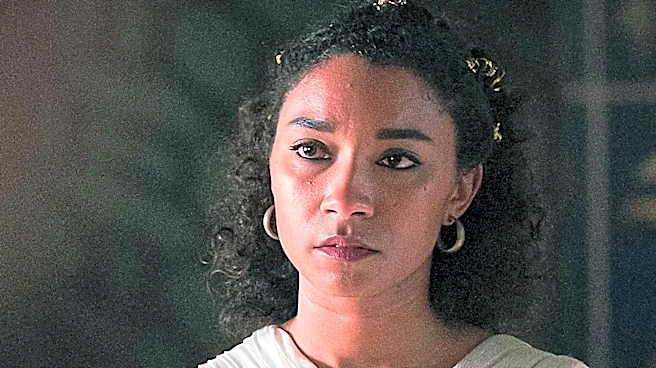
When an actor appears on screen with a face that looks lived-in—showing fatigue, texture, or the subtle flush of emotion—it creates an immediate sense of realism. The “no-makeup makeup” look, a term that’s
become a staple in beauty circles, takes on a deeper meaning in cinematic storytelling. It’s not just about looking natural; it’s about using an actor’s unadorned face as a canvas for the character’s internal world. This approach strips away the protective layer of traditional screen makeup, inviting the audience to connect on a more intimate, human level. In an age of high-definition scrutiny, this choice signals a confidence in the story and the performance, letting freckles, lines, and an uneven complexion become part of the narrative itself.
Revealing, Not Concealing
For decades, the primary job of on-screen makeup was corrective—to hide blemishes, reduce shine, and present a flawless image under harsh studio lights. But a shift toward naturalism has reframed makeup as a narrative tool. Instead of concealing imperfections, makeup artists are now tasked with selectively revealing or even creating them to tell a story. A character who has been through a struggle shouldn't look perfectly polished. A hint of dark circles under the eyes, a sallow skin tone, or chapped lips can communicate exhaustion or distress more effectively than pages of dialogue. For her role in “Precious,” Mariah Carey was famously asked to wear no makeup to give her social worker character a specific, unadorned look that grounded her in reality.
Spotlight on Pure Performance
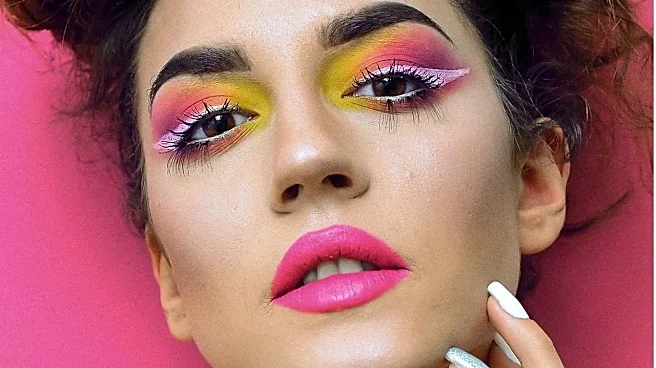
Without the mask of heavy contouring or dramatic eyes, the focus shifts entirely to the actor's face—every micro-expression, every flicker of the eye, every subtle twitch of the mouth. A barely-there look clears the stage for a raw, unfiltered performance. It forces a reliance on pure acting craft, as there's nothing to hide behind. This approach can be incredibly effective in dramas where emotional transparency is key. Think of the critically acclaimed, gritty realism in shows like “The Bear,” where the characters’ sweaty, stressed-out appearances are integral to the show's high-stakes kitchen environment. The absence of glamour becomes a statement in itself, making the performance feel more immediate and visceral.
The Artist's Invisible Hand
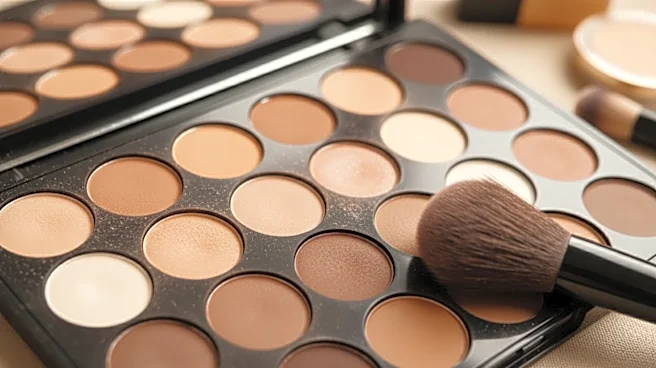
It’s a common misconception that a “no-makeup” look means no effort. In reality, achieving an authentically bare-faced appearance for the camera is an art form that can involve numerous products and meticulous technique. Makeup artists specializing in this style are masters of subtlety. They use sheer skin tints, strategic concealers, cream-based products that mimic skin’s natural texture, and clever tricks to create a look that withstands the scrutiny of HD cameras without appearing artificial. The goal is to support the character, not to beautify the actor. This distinction is crucial; it's the difference between makeup that serves the ego and makeup that serves the story, ensuring continuity and enhancing authenticity from scene to scene.