




The Illusion of Effortlessness
The first rule of Frieze fashion is to look like you haven’t tried at all. This, of course, is a carefully constructed illusion. Unlike the overt peacocking of fashion week, the art world favors a 'studied nonchalance'. The goal is to appear intentional
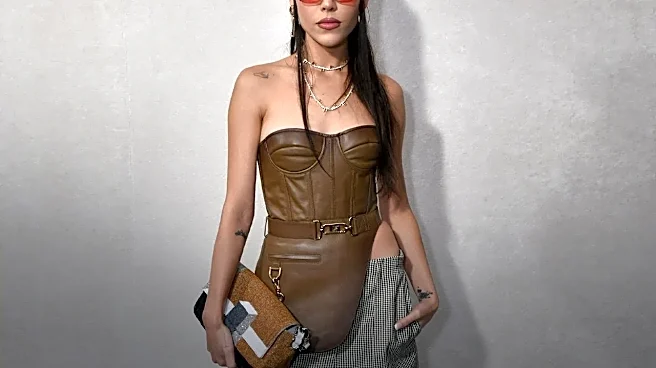
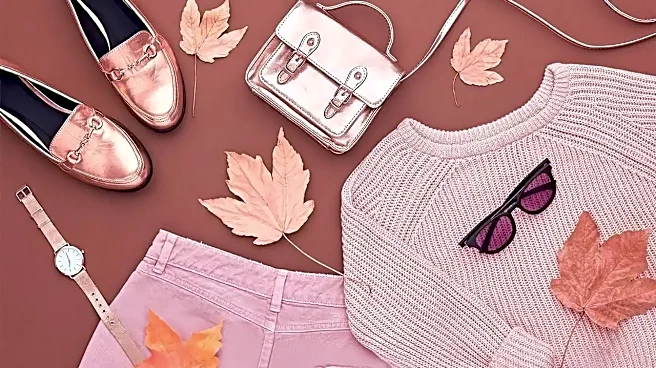
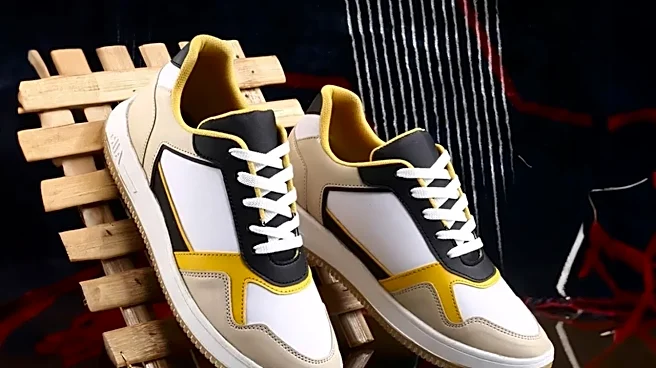
without looking overprepared. The effort isn't in following a trend, but in curating a look that telegraphs a deep, personal understanding of aesthetics. It’s a quiet confidence that suggests your primary focus is the art, even if your outfit was planned weeks in advance. Comfort is a key part of this performance; with sprawling exhibition tents in Regent's Park, sensible-yet-stylish footwear like sneakers or ballet flats is a near-universal choice. After all, you can't appreciate a masterpiece if your feet are aching.
Signaling Through Subtlety
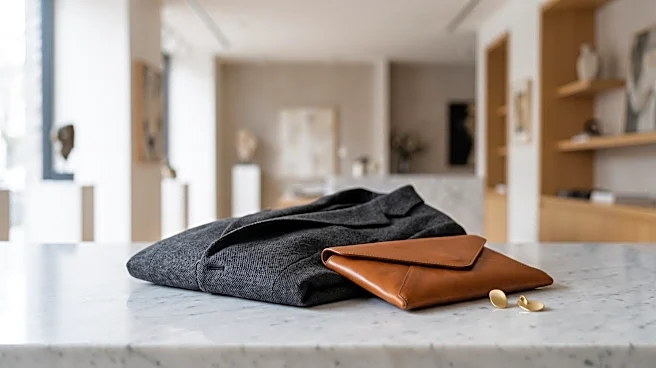
In a room where million-dollar artworks hang, overt displays of wealth can seem gauche. While a Birkin bag or two might be spotted, the real currency is cultural capital. Status isn't shouted through logos; it's whispered through the cut of a Lemaire blazer, the drape of a vintage Issey Miyake piece, or a piece from an emerging designer that only true insiders would recognize. It’s a classic 'if you know, you know' scenario. This code separates the serious players from the tourists. Longtime gallerists can often spot the major collectors not by their flashy attire, but by their 'bland luxury normcore'—an almost anonymous look that signals their focus is on acquiring, not performing. For them, money is their outfit, and they have nothing to prove.
The Uniform of No Uniform
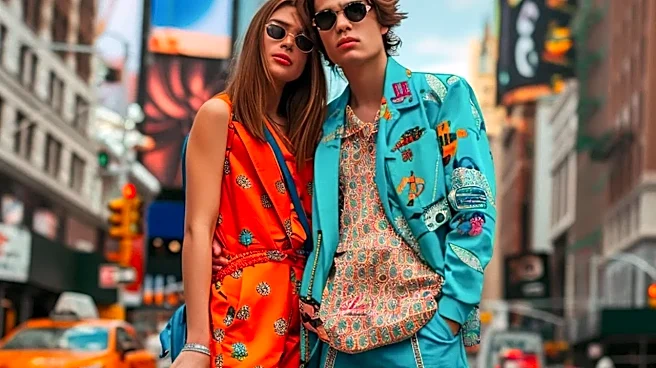
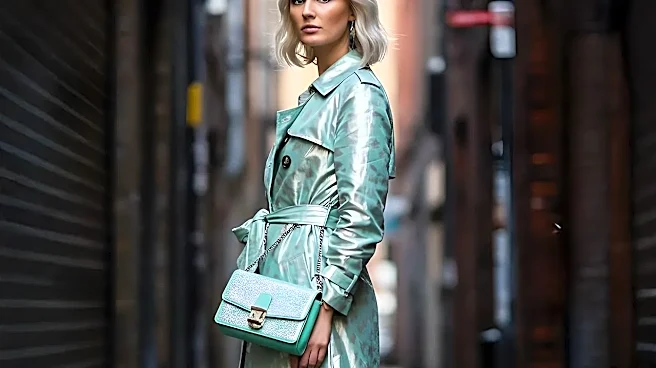
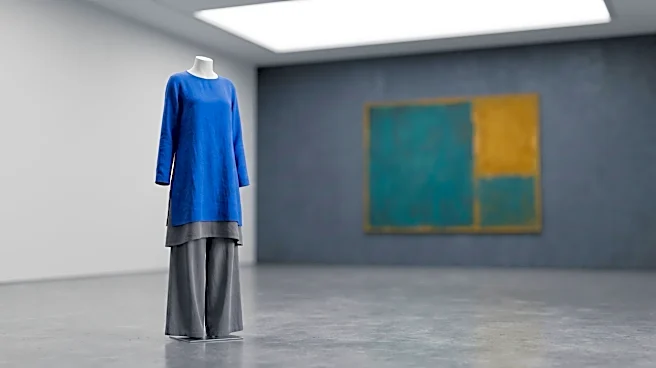
While there's no single uniform, distinct archetypes emerge from the crowd. You’ll see 'The Gallerist', often in impeccably tailored black trousers and a crisp shirt, a look that says 'I’m here to work' but in fabrics that suggest serious taste. Then there's 'The Architect', favoring monochrome palettes and structural silhouettes that feel like wearable sculptures. 'The Collector' might opt for statement outerwear and unexpected textures, expressing their curatorial eye through their wardrobe. And finally, 'The Artist' or 'Creative' might lean into more experimental shapes, vintage finds, or even a full Canadian tuxedo, treating the day as an opportunity to make a personal statement. Each look is a tribe, a way of signaling one's role and perspective within the ecosystem.
A Dialogue With the Art
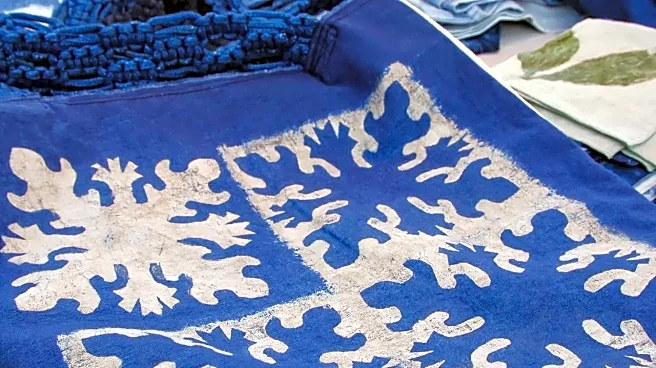
Ultimately, dressing for Frieze is about demonstrating that your personal style is in conversation with the art itself. The outfits are often as conceptual, challenging, and layered as the works on display. An art lover might wear a bold, painterly print, turning their shirt into the artwork and the rest of the outfit into the gallery's white wall. Someone else might wear a sculptural Cecilie Bahnsen dress that feels like 'armor'. The clothing isn't just clothing; it's an extension of one's point of view. It’s a way of showing, not telling, that you belong. The shared language isn’t a brand or a specific garment, but a mutual appreciation for aesthetics, curation, and the power of a well-considered detail.