






The Nomination That Changed Everything
In 2009, Colin Firth was not the Oscar powerhouse he is today. Known primarily for romantic comedies like Bridget Jones's Diary and his iconic turn as Mr. Darcy, he was a beloved actor but not considered a top-tier dramatic contender. That changed with
A Single Man. In fashion designer Tom Ford's directorial debut, Firth gave a career-best performance as George Falconer, a gay British professor in 1960s Los Angeles mourning the death of his partner. The role was subtle, heartbreaking, and a world away from his more famous parts. His Best Actor nomination was a genuine breakthrough, signaling to the industry that Firth had an entirely different gear. He ultimately lost to Jeff Bridges for Crazy Heart, but the nomination itself was the real victory. It permanently altered his status in Hollywood, setting the stage for what would come next.
The King's Speech and the Power of Narrative
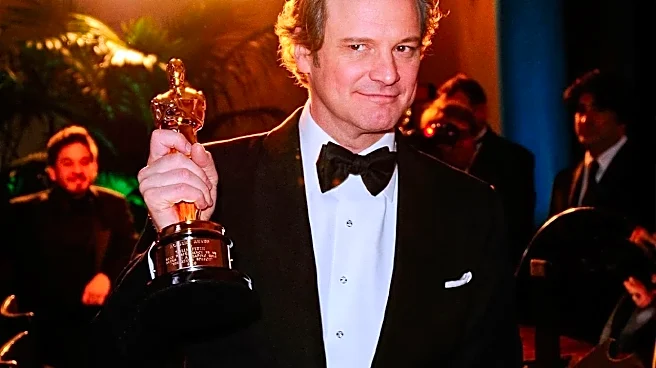
Just one year later, Firth returned with The King's Speech, playing the stuttering King George VI. The film was quintessential Oscar bait: a beautifully crafted historical drama about a real-life royal overcoming a personal struggle. This time, Firth was the undeniable frontrunner from the moment the film premiered. His win felt like a coronation, but it wasn't just for his excellent performance in that specific film. It was widely seen as a reward for his entire career, and especially as a makeup for the previous year's loss. The narrative was perfect: the respected actor who proved his dramatic chops in an indie film (A Single Man) was now getting his due in a major prestige picture. The Academy loves a good story, and the story of Firth's overdue recognition was simply too compelling to ignore.
Codifying the Two-Year Campaign
The claim that Firth's journey "reshaped" voting is bold, but it perfectly crystallized a pattern. His back-to-back nominations served as a textbook example of a modern Oscar campaign strategy. Step one: earn a nomination for a risky, critically acclaimed performance to build credibility. Step two: follow it up with a more traditional, crowd-pleasing role to seal the deal. This two-year arc creates an air of inevitability. We've seen variations of this play out since. Julianne Moore, long considered overdue, finally won for Still Alice after five nominations. Leonardo DiCaprio's long, meme-filled quest for an Oscar culminated in a win for The Revenant, a physically demanding role that felt like a reward for his entire body of work. Firth didn't invent the "overdue" narrative, but his case was such a clean and high-profile example that it became a go-to case study for how timing and perception are just as important as the performance itself.
The Problem with 'Career' Oscars
While it's satisfying to see a beloved actor finally get their trophy, this narrative-driven approach has its downsides. When voters reward a career instead of a specific performance, does the truly best performance of that year always win? Some critics argued at the time that while Firth was great in The King's Speech, his work in A Single Man was the more daring and superior performance. This phenomenon can lead to deserving, lesser-known actors being overlooked in favor of established stars with a compelling backstory. It turns the award into a prize for endurance and good campaigning as much as for acting. The Academy's tendency to award the "story" can sometimes overshadow the art, creating a system where momentum matters more than the singular achievement of a role in a given year.