





The First Rule: Why Cuff at All?
Before we dive into specific sneaker pairings, let's establish the 'why'. Cuffing your jeans isn't just a random affectation; it serves a purpose. Primarily, it's a tool to control the length of your jeans, ensuring the hem doesn't awkwardly bunch up
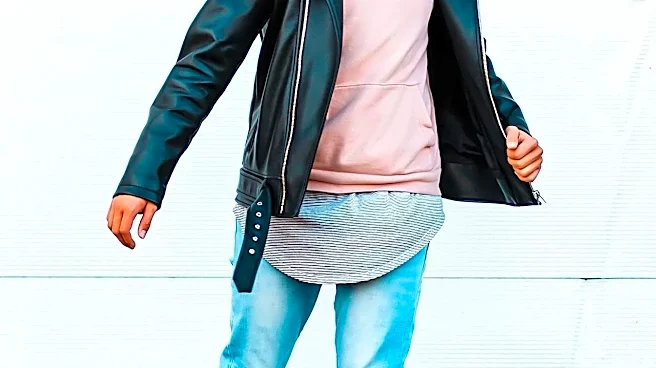
or 'stack' over your sneakers, which can look sloppy. A clean, deliberate cuff creates a distinct line that separates your pants from your shoes, drawing the eye to your footwear. It's a way to say, 'I thought about this'. There are several ways to do it, from a simple single or double fold to the more tapered 'pinroll', which narrows the ankle opening. A single, one-to-two-inch cuff is a timeless, versatile starting point for most straight or slim jeans. The key is that the cuff should look intentional, not like a bulky, last-minute fix for jeans that are far too long.
With Low-Profile Sneakers: Keep It Clean
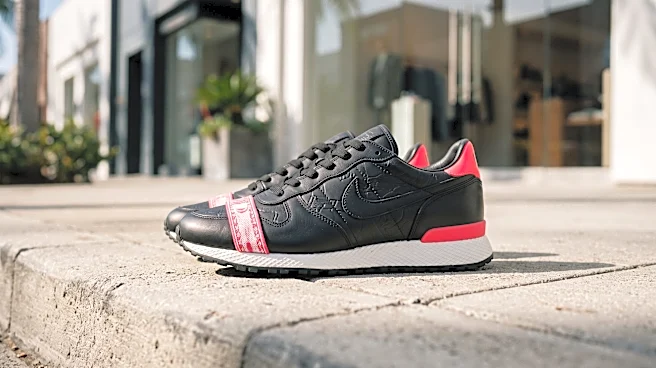
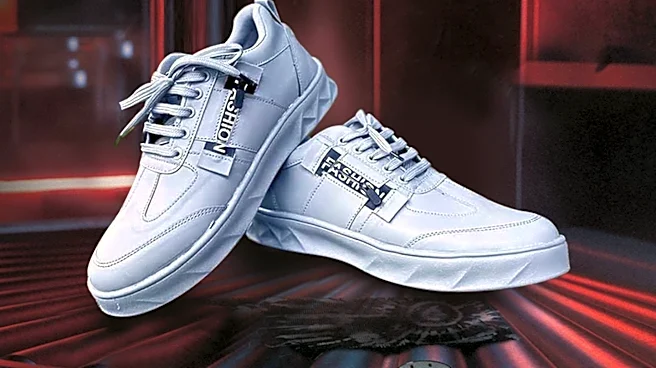
Think of your classic, low-profile sneakers: Adidas Sambas, vintage-style trainers, or clean white leather court shoes. These shoes are defined by their sleek, non-bulky silhouette. The goal here is to complement that slimness, not overpower it. A small, neat cuff—either a single or a tidy double roll—is your best friend. This approach creates a sliver of space, often showing a bit of ankle (or a stylish sock), which keeps the entire look feeling light and polished. It prevents the denim from swallowing the shoe and maintains a clean, uninterrupted line from your leg down to the streamlined sneaker. An uncuffed look can also work, but only if the jeans are perfectly hemmed to just graze the top of the shoe with no 'break' or bunching.
With High-Tops: Show Them Off
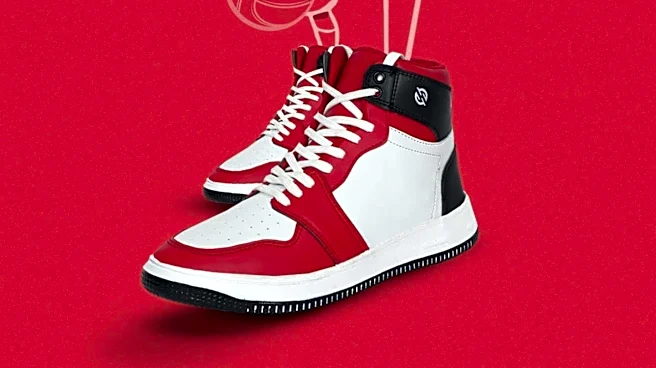
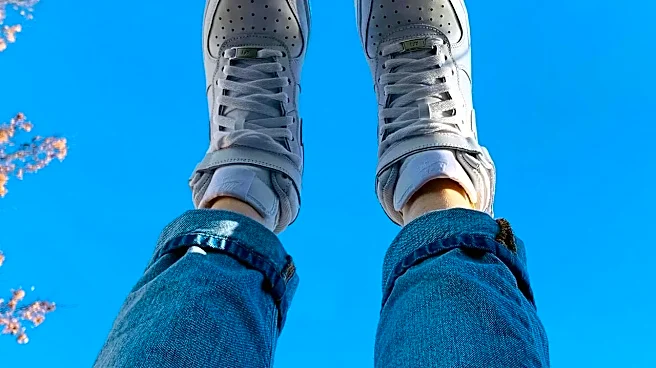
High-tops present a unique challenge because the shoe itself extends up the ankle. Hiding them under your jeans defeats the purpose of wearing them. Here, cuffing is almost always the superior choice. The aim is for the bottom of your cuffed hem to sit just above the top of the sneaker. This showcases the full silhouette of the shoe, whether it's a classic Converse Chuck Taylor or a pair of retro basketball kicks. Forcing a high-top through a narrow, uncuffed jean leg often results in an accordion-like bunching of fabric that looks awkward. A cuff provides a clean finish and proudly displays your footwear choice, making it the clear focal point. For a more tapered fit that hugs the ankle above the shoe, a pinroll is also a popular and effective option.
With Chunky Sneakers: Create Balance
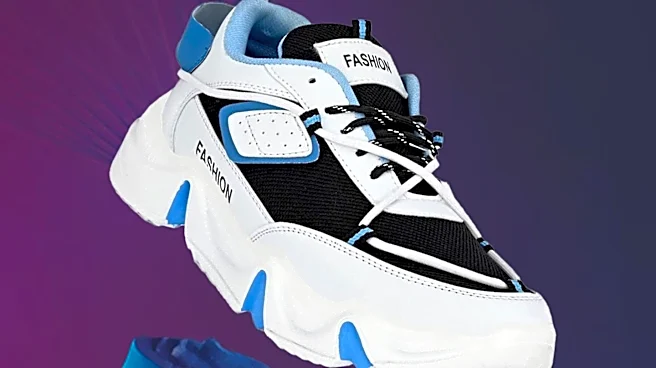
The 'dad shoe' or chunky sneaker trend remains a dominant force in footwear. These sneakers have significant volume and visual weight. Pairing them requires a careful sense of balance. While some stylists suggest avoiding chunky sneakers with cuffed jeans to prevent a 'stumpy' look, a more modern approach is to balance the shoe's bulk with the right jean fit. Extremely skinny jeans paired with massive sneakers can create an unflattering, cartoonish proportion. Instead, opt for straight-leg or more relaxed-fit jeans. With these cuts, a cuff works well to prevent the wider hem from puddling over the shoe, which can look messy. The cuff provides structure and ensures the voluminous sneaker isn't lost under a sea of denim, making the whole outfit feel more intentional.
When to Go Uncuffed: Let It Flow
An uncuffed look, often called 'stacking' when the fabric gathers, can be a style choice in its own right. It works best with specific jean cuts and vibes. Relaxed, straight-leg jeans can look great with a slight stack over a classic sneaker for a laid-back, vintage-inspired feel. However, this is a fine line; too much stacking just looks like your jeans are too long. Bootcut and flared jeans should almost never be cuffed. The entire point of their design is for the leg opening to widen and fall over the shoe, creating a long, continuous leg line. Cuffing these styles fights against their intended shape and disrupts the silhouette entirely. Ultimately, an uncuffed jean needs to be the correct length to begin with, hitting just at the top of the sneaker for a clean, tailored appearance.