





The Weight of the Armband
A penalty shootout reduces a team sport to a sequence of lonely, individual duels. Yet, not all misses are created equal. When a team's captain steps up to the spot, they carry more than just the hope of scoring; they carry the symbolic weight of leadership.
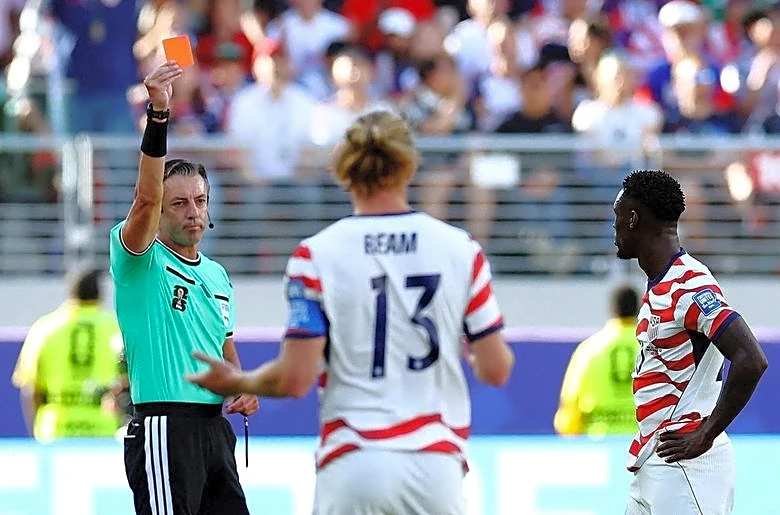
A miss by a role player is a misfortune. A miss by the captain feels like a failure of nerve, a crack in the foundation of the team itself. They are expected to be the ones to absorb pressure, to lead by example. When they fail in that singular, exposed moment, the narrative writes itself. It becomes a ghost, a story of the leader who couldn't deliver when it mattered most, sticking to their reputation with a stubbornness that defies all other career achievements.
The Ghost of Pasadena, 1994
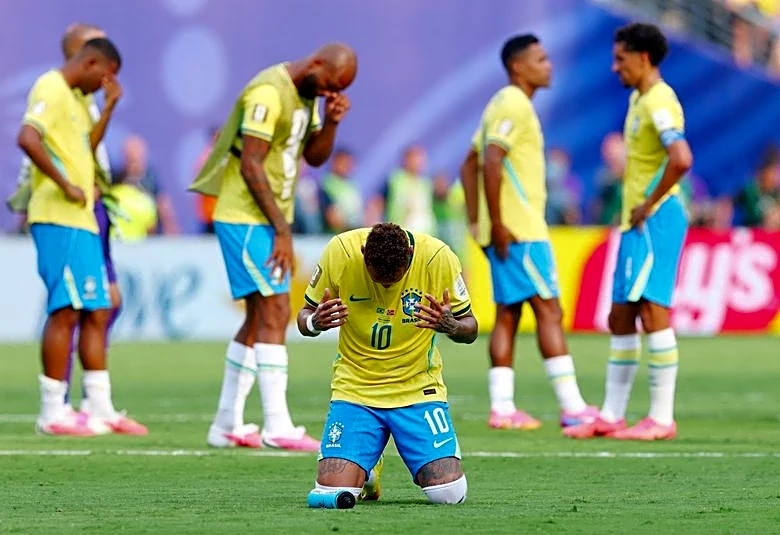
The most haunting example is the 1994 World Cup Final. Italy's captain, the legendary defender Franco Baresi, had miraculously recovered from a knee injury to play a dominant 120 minutes against Brazil. Exhausted and cramping, he stepped up to take Italy's first penalty in the shootout and blasted it over the bar. Later, with the World Cup on the line, Italy's best player and spiritual leader, Roberto Baggio, did the same, sending his shot into the California sky and handing the trophy to Brazil. While Baggio wasn't wearing the armband, he was the team's talisman, the man who had single-handedly dragged them to the final. His miss became one of football's most iconic images of despair. For years, Baggio described the moment as a "wound that never closes," admitting it haunted his dreams. The failure of both the official captain and the team's biggest star in the same shootout cemented a narrative of tragic destiny that followed both men long after they retired.
A Modern Heartbreak
The theme is not confined to history. At the 2022 World Cup in Qatar, England faced France in a tense quarter-final. England captain Harry Kane, one of the world's most reliable penalty takers, had already scored one from the spot to level the match. Late in the game, with England trailing 2-1, he had a second chance to be the hero and force extra time. Instead, he fired his shot high over the crossbar. England was eliminated. In the immediate aftermath, Kane took full responsibility. "As the captain, I'll take that on the chin," he said, but confessed the miss would likely haunt him for the rest of his life. It was a moment that crystallized the immense pressure placed on a leader, where a single misstep becomes the defining image of a nation's exit from the world's biggest tournament.
The Exception in Other Arenas
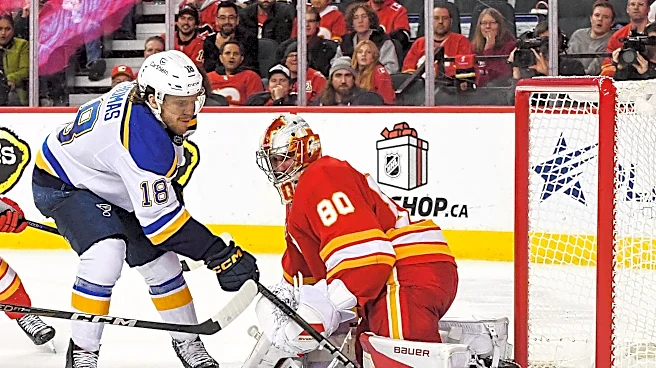
Interestingly, this specific narrative is less pronounced in some other major American sports. While the NHL regular season uses shootouts to decide ties, its playoffs famously do not. The Stanley Cup is won or lost in grueling, continuous sudden-death overtime, a format that creates heroes and goats through the flow of play rather than an isolated set piece. While a captain can certainly make a game-losing turnover, it lacks the specific, ritualistic finality of a player standing alone over a ball with the world watching. The drama of the shootout—and the unique burden it places on leaders—remains the primary domain of soccer, where it continues to produce some of the most enduring and heartbreaking stories in sports.