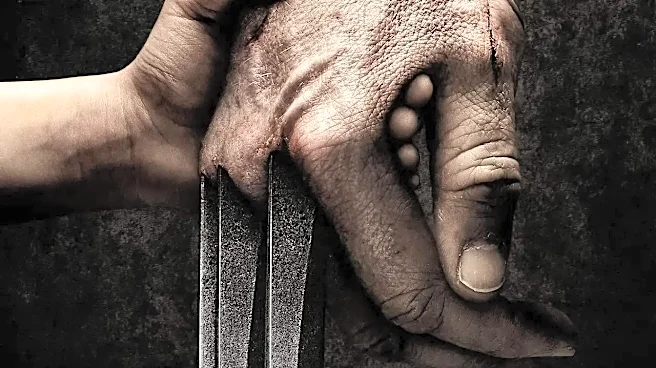



Meet the Broken Hero
You know this character intimately. They were once the galaxy’s new hope, the intrepid archaeologist, or the relentless protector of the future. But now? They’re a jaded, cynical hermit who has renounced everything they once stood for. They live in self-imposed
exile, nursing old wounds and insisting their time has passed. This is the “Broken Hero” trope, a specific type of reluctant mentor who isn’t just hesitant—they’ve completely given up. Their defining feature is that the events between the old movie and the new one have not just aged them; they have fundamentally defeated them, undoing the very victories we cherished.
A Cheat Code for Instant Drama
So why do writers deploy this trope with such frequency? Because it’s easy. Bringing back a hero and breaking them manufactures instant stakes and emotional conflict for the new, younger protagonist. The new character’s primary mission becomes not just to save the world, but to save the hero who once saved it themselves. This creates a ready-made emotional arc where the student must inspire the master. But it's a shortcut that bypasses the difficult work of building a compelling new world with stakes that stand on their own. Instead of earning the audience's investment in new characters and their struggles, the story piggybacks on decades of affection for the original, only to tarnish that legacy for a quick emotional hit. It retroactively makes the original film's happy ending feel temporary and meaningless.
Case Study in Disappointment: Luke Skywalker
The most prominent and controversial example of this is Luke Skywalker in The Last Jedi. The man who believed there was still good in Darth Vader—risking everything on that sliver of hope—is reintroduced as a man who considered killing his nephew, Ben Solo, in his sleep because he sensed darkness. This decision to make Luke a broken man who abandoned his friends and the galaxy became a major point of criticism. For many, it felt like a betrayal of his core character trait: his unshakeable optimism. While some defend it as a deconstruction of the hero myth, for a large portion of the audience, it felt like the story sacrificed a beloved icon to elevate a new character, Rey, rather than allowing Luke to evolve into the wise mentor figure many expected.
It’s Not Just in a Galaxy Far, Far Away
This isn't limited to Star Wars. Indiana Jones and the Dial of Destiny presents an Indy who is old, grieving, and disconnected from the adventurous spirit that defined him. While the film ultimately works to restore some of his old self, it spends significant time showing us a hero worn down by life. Similarly, Terminator: Dark Fate opens by killing a young John Connor, the character the entire franchise was built around protecting, effectively invalidating the struggles of the previous films to clear the deck for new heroes. In each case, the past is dismantled to make room for the future, leaving audiences to wonder why their emotional investment in those earlier victories mattered at all.
The Better Way: Passing the Torch, Not Dropping It
Using legacy characters doesn't have to be this way. A sequel can honor the past without being enslaved by it or needing to destroy it. Look at Creed. Rocky Balboa returns, but he isn't a broken-down shell who has renounced boxing. He's older, wiser, and initially reluctant, but his core character is intact. He mentors Adonis Creed, passing on his knowledge while dealing with his own mortality. The film uses his legacy as a foundation to build something new, rather than tearing it down for parts. Likewise, Top Gun: Maverick succeeds by keeping its hero, Maverick, front and center, honoring his character while allowing him to guide a new generation without becoming a cynical recluse. These films prove you can build on a legacy without demolishing it.