



A World Bathed in Autumn
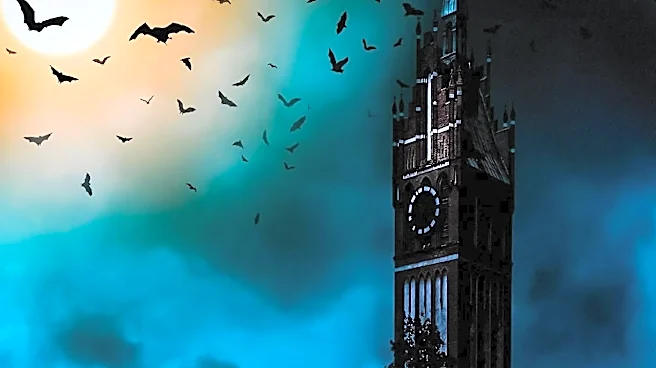
The core of the show’s aesthetic is its commitment to an eternal autumn. Production Designer Lisa Soper, the architect of Greendale’s look, intentionally built a world that feels unstuck in time, blending decades and rejecting a modern, desaturated horror
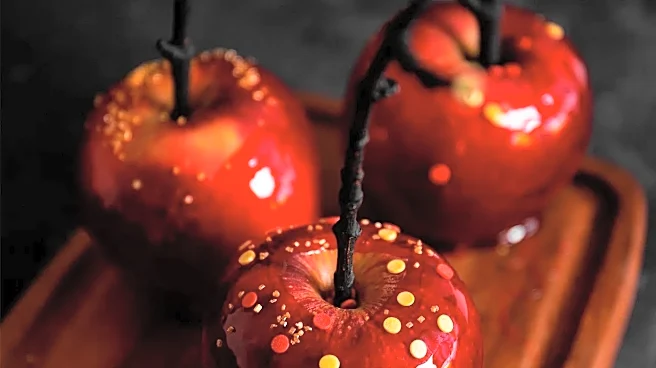
palette. The season of fall symbolizes maturity and a balance between light and dark, perfectly mirroring Sabrina’s journey. This is achieved through a rich color scheme of reds, oranges, and earthy greens, evoking a sense of transformation and unease. Unlike many horror projects that lean on darkness, “Sabrina” embraces vibrant, primary colors, suggesting that danger can exist anywhere, not just in the shadows. The result is a retro, nostalgic world where iPhones might exist, but landlines feel more common, creating a disorienting, dreamlike quality.
The Spellman Mortuary: A Gothic Labyrinth
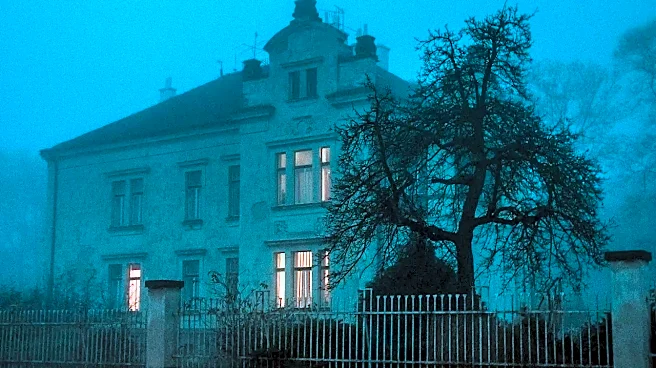
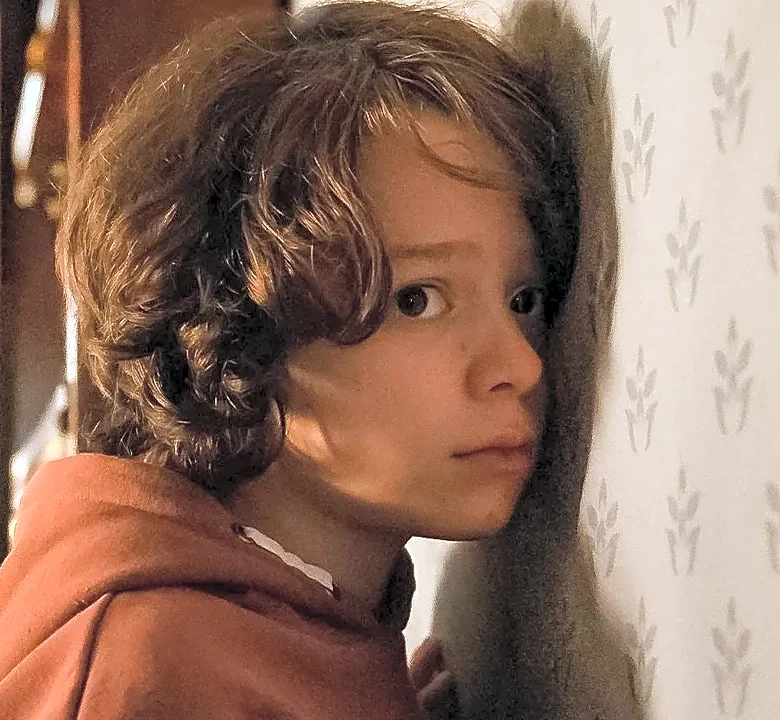
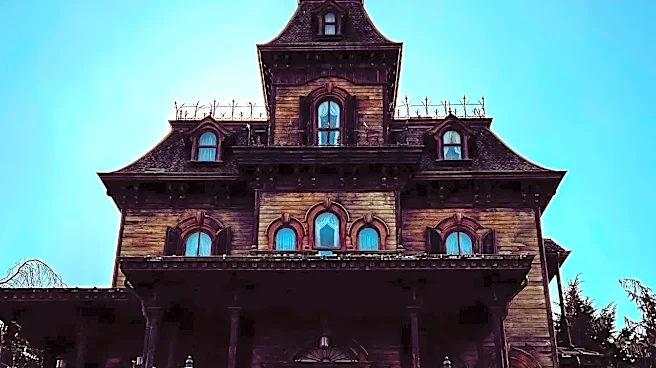
The Spellman family home is the series’ beating, haunted heart. Inspired by Nathaniel Hawthorne's “House of the Seven Gables,” the set is anything but straightforward. Soper designed the house as a spiral, where one room flows into the next, creating a sense of suspense and evoking the pagan symbol for life and death. Nothing is quite level; walls and stairs are slightly off-kilter, making it impossible for the camera to get a perfectly symmetrical shot and leaving the viewer with a constant, subtle feeling that something is wrong. The grand staircase itself is a storytelling device, with its divided flight representing Sabrina's two paths: the mortal world and the witch world. The home is cluttered with antiques, natural elements like vines in the wallpaper, and occult artifacts, reflecting a family that is ancient, powerful, and deeply connected to both nature and death.
The Academy of Unseen Arts
The witching school is where the show’s horror influences are most overt. The aesthetic was inspired by the lurid, colorful style of '70s Italian horror director Dario Argento, particularly his film “Suspiria.” To give the Academy a genuinely terrifying artistic pedigree, Soper reached out to horror legend Clive Barker, the creator of “Hellraiser.” Barker provided over 150 of his own visceral, often disturbing paintings to line the walls, ensuring the school felt authentically steeped in dark arts. The very structure of the Academy is based on the principles of sacred geometry, with repeating room shapes that create a disorienting, maze-like effect. This isn't just a school; it's a temple to a darker aesthetic, filled with art that feels genuinely dangerous.
The Devil in the Details
Beyond the grand sets, the show’s mood is sustained by a collection of clever, smaller choices. A signature visual is the soft, blurry edge-of-frame effect, which appears during moments of heavy magic. This was achieved not with digital effects, but by using specially retrofitted vintage anamorphic lenses that create a distinct, filmic distortion. This tactile approach extends everywhere. Set pieces are on wheels for flexibility, and wallpapers are printed in-house to perfectly match the desired retro look. Soper, who began her career in animation, brings a character-first approach to design, believing every object in a room should tell a story about the person who lives there. From tarot cards on Sabrina's vanity to horror comics in a local bookshop, every detail is placed to enrich the world and make it feel both lived-in and supernaturally charged.