





The Multi-Cam: Live Theater on a Soundstage
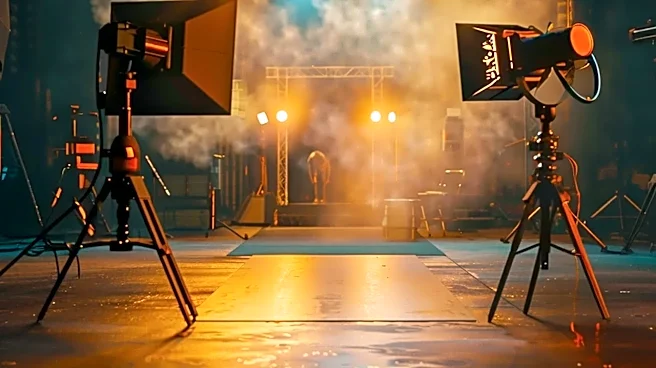
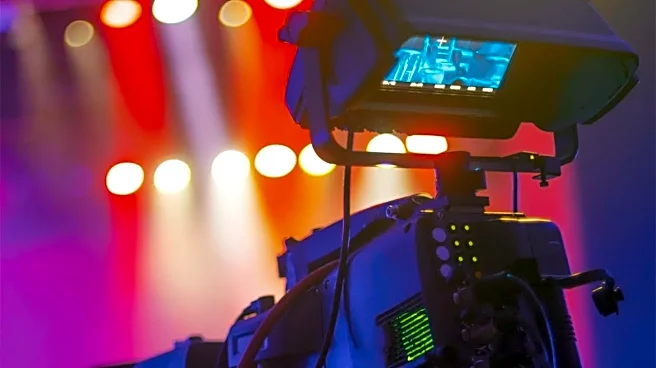
For decades, the dominant form of TV comedy was the multi-camera sitcom. Shows like "I Love Lucy," "Seinfeld," and "Friends" were filmed on a soundstage with three or more cameras capturing the action simultaneously, much like a play. This method is efficient,
allowing producers to capture different angles and reactions in a single take, often in front of a live studio audience. The result is a distinct aesthetic: the set feels like a stage, the lighting is broad and even to accommodate every camera angle, and the performances are often a bit bigger to play to the crowd in the room. The rhythm is built around a setup-joke-laugh structure, with pauses for the audience's reaction, creating a communal, high-energy viewing experience. This format was a factory for producing television quickly and cheaply, defining the look and feel of primetime for generations.
The Single-Camera: A Movie Every Week
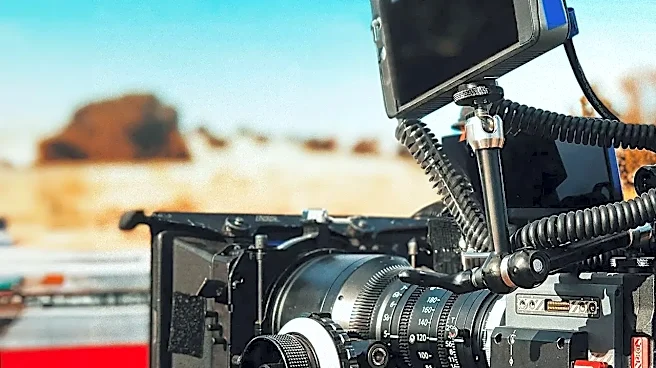
The single-camera setup, as the name implies, uses one primary camera to film a scene. To get different angles or close-ups, the crew must stop, move the camera, and shoot the scene again. This is the same method used to shoot feature films. While more time-consuming, it gives the director immense control over the look of every single shot. Dramas have almost always used this format, but a new wave of comedies like "The Office," "30 Rock," and "Modern Family" adopted this cinematic style and made it the new standard. Gone was the live audience and its accompanying laugh track. Instead, humor was found in subtle facial expressions, awkward pauses, and the visual gags that a more mobile and intimate camera could capture. The world of the show also expanded, easily moving from an office to a parking lot to a character’s home, something much harder to do on a static multi-cam stage.
Why Hollywood Made the Switch
So why did the cinematic, time-intensive single-camera style take over? A major factor was changing audience tastes and the rise of prestige TV. As dramas like "The Sopranos" became more cinematic, comedies followed suit, aiming for a more sophisticated, film-like quality. Shows shot in the single-camera style feel less dated, which makes them more valuable in the streaming era. Without a laugh track or a stage-bound look, they are more easily binged and can feel more timeless to global audiences. Creatively, writers and actors were drawn to the format's potential for more nuanced, character-driven stories. The humor could be more deadpan and observational rather than purely joke-driven. Shows like "Arrested Development" and the UK's "The Office" were critical darlings that proved single-camera comedy could be artistically ambitious and incredibly funny, paving the way for it to become the industry default.
What We Gained and What We Lost
The triumph of the single-camera format fundamentally altered the texture of television comedy. We gained a more intimate, and often more realistic, style of storytelling. Jokes could land visually or through a quiet, awkward reaction shot, rewarding attentive viewers. The absence of a laugh track allowed for a wider tonal range, blending comedy with genuine pathos in shows like "Barry" or "Fleabag." However, something was also lost. The high-energy, rapid-fire pace of a great multi-cam sitcom is a unique art form. That feeling of being part of an audience, sharing in a big, obvious laugh, has largely been replaced by a more solitary, observational experience. The theatricality and expertly crafted joke construction of shows like "Frasier" or "The Big Bang Theory" have become the exception rather than the rule.