







Start with a Hydrated Canvas
Long-lasting makeup begins long before the first tube of primer is opened. The goal is to create a smooth, hydrated base so your foundation has something to grip without clinging to dry patches or sliding off an oily T-zone. Start with your usual morning
cleanse and follow up with a lightweight, fast-absorbing moisturizer. Look for ingredients like hyaluronic acid or glycerin, which plump the skin with hydration without feeling heavy or greasy. Give your moisturizer a full five minutes to sink in completely. Rushing this step is a common mistake that can cause everything you put on top to pill or slip. Think of it as prepping a canvas for a painting; a smooth, primed surface ensures the final masterpiece looks its best and endures.
The Non-Negotiable SPF Step
For any outdoor event, sun protection is paramount. But layering SPF under makeup can be tricky. The key is choosing the right formula and giving it time to set. For layering purposes, many makeup artists prefer a lightweight chemical sunscreen, as it absorbs fully into the skin and creates a smoother base. Apply it after your moisturizer and, crucially, wait another five to ten minutes for it to form its protective film. If you prefer a mineral sunscreen (with zinc oxide or titanium dioxide), it should technically be the last step before makeup, as it works by sitting on top of the skin. Whichever you choose, apply a generous amount and let it dry down to a non-tacky finish. This pause is the single most important step for preventing your foundation from separating later in the day.
Choose Your Primer Wisely
Primer is the bridge between your skincare and your makeup. Its job is to smooth texture, control oil, and give your foundation something to adhere to. The golden rule of layering is to match your formulas. Check the ingredients list on your primer and your foundation. If your primer is silicone-based (look for ingredients ending in “-cone” or “-siloxane”), your foundation should be, too. If your primer is water-based, pair it with a water-based foundation. Mismatching is the primary cause of pilling—those frustrating little balls of product that appear as you blend. For a long day outdoors, a pore-blurring or mattifying primer in the T-zone and a hydrating primer elsewhere can give you a customized finish that addresses all your skin's needs.
The Art of Foundation Application
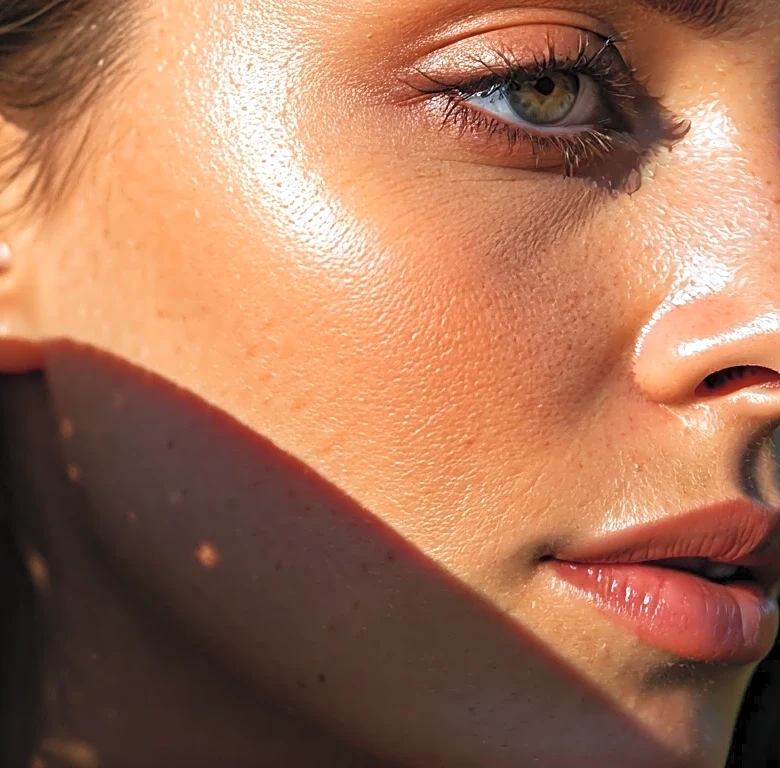
When aiming for longevity, less is more. The goal is to even out your skin tone, not mask it under a heavy layer. Start with a small amount of a long-wear foundation, applying it to the center of your face and blending outwards. A damp beauty sponge is excellent for this, as it presses the product into the skin for a seamless, second-skin finish while sheering it out just enough. If you need more coverage in specific areas, like over a blemish or redness, go back and stipple on a tiny bit more product just where you need it. Building coverage in thin, targeted layers is far more effective and durable than applying one thick coat all over. This technique ensures your makeup looks like beautiful skin, not just beautiful makeup—perfect for those close-up photos.
Lock It All In Place
Once your foundation and concealer are perfectly blended, you need to set them. This two-part process is the final insurance policy for your look. First, use a translucent setting powder. Instead of dusting it all over, which can look cakey, use a powder puff or a small brush to press the powder into the areas that tend to get oily or where makeup creases, like under your eyes, around your nose, and across your forehead. This targeted application locks everything down without dulling your skin's natural radiance. The final, unmissable step is a generous mist of setting spray. A good setting spray melts the powders into the skin and creates a flexible film that holds everything in place through heat, humidity, and maybe even a celebratory Champagne spray. Hold the bottle at arm's length and mist in an 'X' and 'T' formation to cover your entire face.