

The Shared Experience in Your Hand
Live television used to be the great American unifier. The next day at the office water cooler, everyone would dissect the shocking performances and surprise wins. Today, that water cooler is digital, global, and happens in real-time. The second screen—your
phone or tablet—recreates that sense of communal viewing for an audience that increasingly watches alone. Forecasts for 2026 suggest nearly two-thirds of U.S. social network users will watch TV with another device in hand. It’s a way to feel connected, to see your own shock and awe mirrored in a thousand memes and hot takes scrolling by. The VMAs, a show built on unpredictable, meme-worthy moments, is the perfect catalyst for this behavior. When a major star does something unforgettable, the impulse isn't just to watch; it's to immediately see how the world is reacting.
It's Encouraged, Not Fought
MTV isn't just aware of this divided attention; the network actively cultivates it. For years, the VMAs have been designed as a multi-platform experience. The show doesn't just live on television; it thrives on social media through official hashtags, live polls on Instagram Stories, and exclusive backstage content streamed online. This strategy dates back over a decade, with MTV creating virtual backstage passes and all-access live streams to give fans a peek behind the curtain. In recent years, this has evolved into featuring social media influencers as part of the event and using augmented reality to make performances more interactive and shareable. By making categories like 'Best Group' and 'Song of Summer' entirely voteable via social media, MTV turns passive viewers into active participants. The second screen isn't a rival to the main broadcast; it's a vital, officially sanctioned extension of it.
The Fear of Missing the Meme
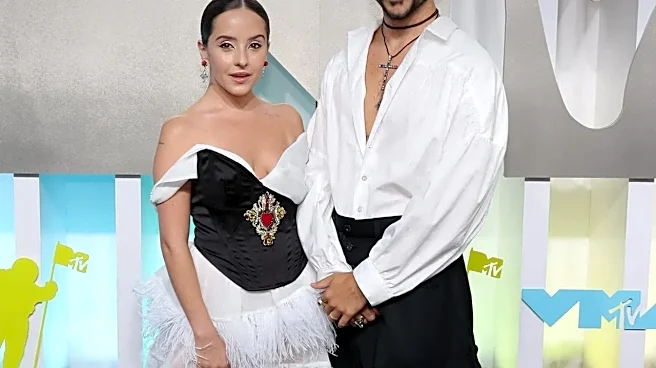
In today’s internet culture, being part of the conversation is a form of social currency, and that conversation moves at the speed of a live broadcast. The most memorable parts of the VMAs are often not the awards themselves, but the unscripted moments: the awkward audience reactions, the bold fashion choices, and the performance mishaps. These are the moments that are clipped, GIF-ed, and turned into memes within seconds. Waiting until the next day to catch up means you’ve already missed the joke. Your feed is a live, unfiltered commentary track, providing context, humor, and a sense of belonging. The second screen has become an essential tool for cultural literacy, ensuring you're not just watching the show, but that you're getting it in real-time.
A New Definition of 'The Show'
Ultimately, second-screening has become integral to the VMAs because the definition of the “show” has expanded. The event is no longer just a two-hour telecast; it’s a sprawling, interactive ecosystem. It includes the pre-show digital red carpet, the live broadcast on network television and streaming services like Paramount+, the constant stream of backstage clips on TikTok, and the explosion of fan reactions on X (formerly Twitter). The 2026 BET Awards, for example, generated a staggering 9.3 million social interactions, proving that the online conversation is a massive part of the modern awards show experience. Engaging with only the television portion feels like watching a movie with the sound off. The main broadcast provides the spectacle, but the second screen provides the community, the context, and the culture that gives the spectacle its meaning.