



More Than Just an Oldies Playlist
First, let's talk about "the canon." For decades, it’s been the unofficial but powerful list of films deemed essential viewing—the foundation of cinema history. The problem? This foundation was built mostly by and for white, Western men. Classics like
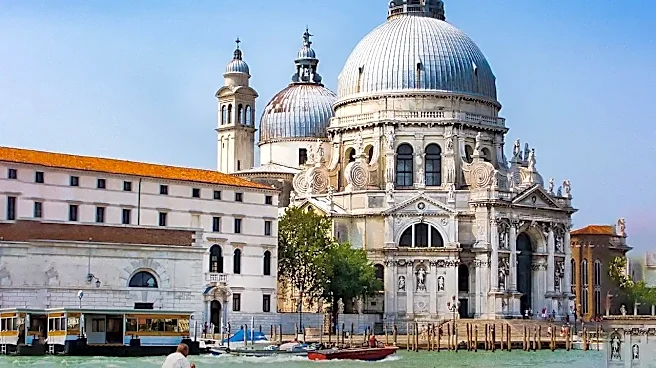
"Citizen Kane" or "The Godfather" are undisputed masterpieces, but a canon that largely ignores women, people of color, and entire continents is incomplete. The debate today isn't about erasing those films, but expanding the definition of a classic. It’s a push to make film history a conversation, not a commandment, and recognize that groundbreaking art has always come from the margins, not just from Hollywood studios. This is the complex, sometimes contentious, world that Venice Classics wades into every year.
Bringing History Back to Life
The mission of the Venice Classics section, a key part of the festival since its inception, is to showcase the finest new restorations of timeless films from around the globe. This isn't just a matter of digitizing an old print. It involves painstaking, frame-by-frame work by film archives and foundations to remove scratches, correct color, and restore sound, allowing audiences to see these movies as they were meant to be seen. The 2026 lineup, for instance, is a journey across genres and borders. It includes everything from Ernst Lubitsch's sharp-witted anti-Nazi farce "To Be or Not to Be" (1942) and Luis Buñuel's surrealist Mexican adventure "Illusion Travels by Tram" (1954) to Roger Corman's counter-culture biker film "The Wild Angels" (1966) and Flora Gomes' groundbreaking "Yonta's Blue Eyes" (1992) from Guinea-Bissau. By presenting these wildly different films on equal footing, the festival makes a powerful statement about what deserves to be preserved and celebrated.
The Challenge: Context Is Everything
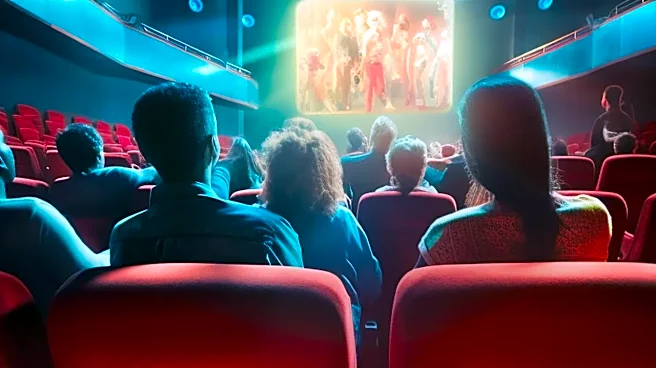
Simply screening a restored film isn't enough to hook a younger audience. The "challenge" comes from the context Venice provides. The festival reframes these movies not as dusty relics, but as living, breathing art with a direct line to the present. The program's selections often feel surprisingly modern. A film like John Cassavetes' "Minnie and Moskowitz" (1971), a raw and chaotic love story, can resonate with anyone who has navigated the messy realities of modern dating. The selection of a pop-art infused Italian giallo film like "Deadly Sweet" (1967) shows how much today's stylish thrillers owe to the past. This curatorial savvy acts as a bridge. It invites viewers to see how their favorite contemporary directors were influenced by these older works and how themes of rebellion, love, and identity have been explored by filmmakers for generations. It’s an argument that these films aren’t homework; they’re the source code for the movies we love today.
From the Lido to the Living Room
While the Venice Film Festival itself is an exclusive event on an Italian island, its impact extends far beyond the festival circuit. The restorations premiered in the Classics section are often picked up for theatrical re-releases in arthouse cinemas and, crucially, land on specialty streaming services like The Criterion Channel and MUBI. This is where the challenge to rethink the canon reaches the mainstream. A stunning restoration of Roberto Rossellini’s "Journey to Italy" (1953) might premiere in Venice, but a few months later, it’s available for anyone with a subscription to discover. This is happening at a time when, counterintuitively, Gen Z is showing a growing appetite for repertory cinema. In a franchise-fatigued landscape, these films offer something unique and authentic, and festivals like Venice are the gatekeepers who curate and validate what’s worth watching.