





The Camera Becomes the Audience
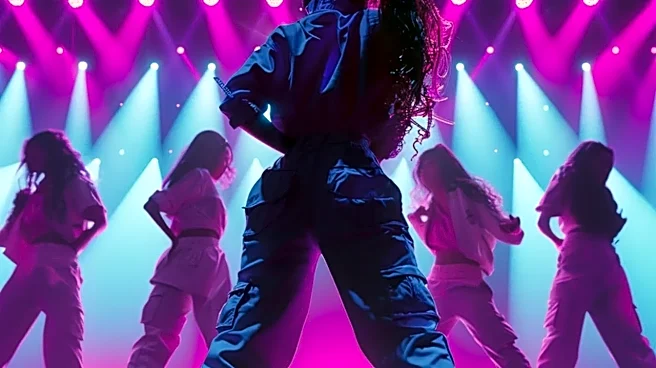
On a stage, a choreographer designs movement for a live audience, whose members can look wherever they please. The performance must be compelling from the front row to the back balcony. In film, however, the audience sees only what the camera shows them.
This fundamental shift changes everything. A choreographer must think in terms of frames, not just spaces. The primary consideration becomes how a movement will be perceived through the lens. This means some movements that look spectacular live might appear messy or confusing on screen, while subtle gestures, lost in a large theater, can become powerful moments in a close-up. The camera's eye is the only one that matters, turning it into the most important audience member.
A Duet Between Choreographer and Director
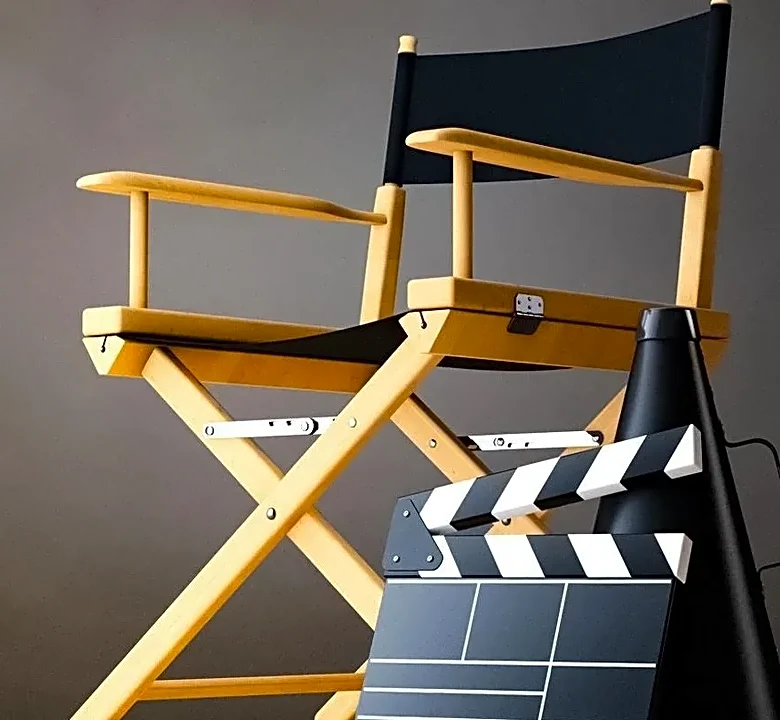
Creating a memorable dance scene is a deeply collaborative process. The choreographer works hand-in-hand with the director and the cinematographer to align the movement with the film's overall vision. This partnership involves discussing storyboards, camera angles, and the emotional tone of the scene. A choreographer might design a sequence, but the director decides how to capture it. Will it be a sweeping wide shot to show the scale of an ensemble piece, or an intimate, handheld shot that puts the viewer inside the dance? Often, the choreography is adapted on set based on the director's feedback or the practical limitations of a location. This creative back-and-forth ensures that the dance serves the story, becoming a seamless part of the film's visual landscape.
Choreographing for the Frame
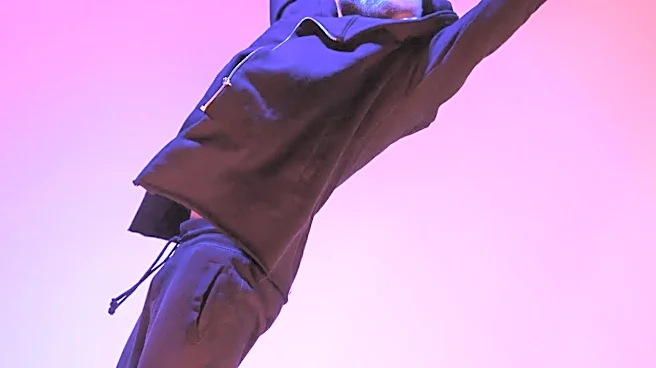
Filmmaking offers a toolbox that live performance doesn't have. Choreographers who work in film learn to use camera angles, shot composition, and editing techniques as part of their creative process. A high angle can emphasize patterns on the floor, while a low angle can make a jump seem more explosive. The choice of lens can distort or flatten space, altering the perceived relationship between dancers. Even the edit itself is a choreographic tool. A quick succession of cuts can create a frantic energy, while a long, unbroken take can build tension and showcase a performer's stamina and skill. Choreographers often design their work in phrases, knowing that a sequence might be stitched together from multiple takes, allowing them to select the perfect execution of each moment.
Translating Three Dimensions to Two
One of the biggest challenges is translating a three-dimensional art form onto a two-dimensional screen without losing its impact. What feels dynamic in person can look flat on film. To counteract this, choreographers and directors use camera movement to create a sense of depth and immersion. The camera might weave between dancers, circle around them, or track alongside them, creating a fluid and lively viewing experience that a stationary audience member could never have. This technique, sometimes called "screendance" or "cine-dance," treats the camera as another dancer in the performance. By moving with the performers, the camera can pull the audience directly into the emotional and physical world of the dance.
The Process from Studio to Set
The creation of a filmed dance sequence often happens in stages. It may begin with choreographing the core movements in a rehearsal studio. During this phase, choreographers often use a simple camera, like a phone, to see how the dance translates to the screen and make adjustments. Once the basic structure is set, the cinematographer gets involved to explore the relationship between the movement and the camera more deeply. Some choreographers even create detailed storyboards, much like for an action sequence, to plan out every shot. This preparation ensures that on the day of the shoot, everyone on the production team, from the dancers to the camera operators, is on the same page, ready to capture the magic.