


The Core Mission: Sun Protection Checks
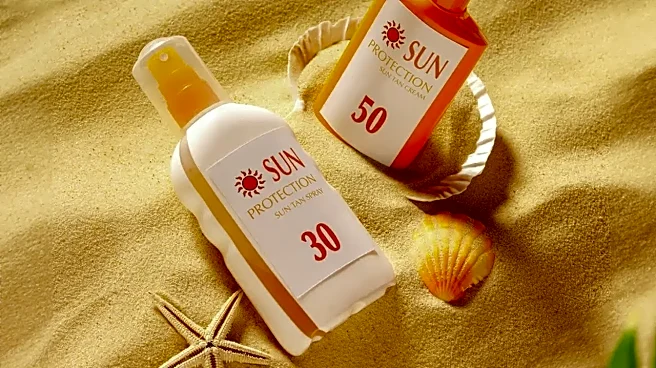
Before you even think about ingredients or feel, ensure the product meets the fundamental requirements for sun safety. First, check that it has an SPF of 30 or higher, as recommended by dermatologists for adequate protection. Second, confirm it offers
'broad-spectrum' protection, which means it shields you from both UVA (aging) and UVB (burning) rays. Finally, if you'll be swimming or active, look for a 'water-resistant' claim, which usually specifies how long the protection lasts through sweat and water (often 40 minutes).
The Active Duty: Mineral vs. Chemical Filters
SPF products use two types of filters. Mineral sunscreens, the gentler option for sensitive skin, use zinc oxide and/or titanium dioxide to create a physical barrier that reflects UV rays. Zinc oxide is a great choice because it provides broad-spectrum protection on its own and starts working immediately upon application. The main downside can be a slight white cast, though many modern formulas are sheer. Chemical sunscreens work by absorbing UV radiation. Common ingredients include avobenzone, octinoxate, and octisalate. These often feel lighter and apply clear, but some, like oxybenzone, have raised health and environmental concerns. For lip products that can be easily ingested, many people prefer to stick with mineral filters.
The Good Stuff: Hydrating and Nourishing Ingredients
Because lips have no oil glands of their own, a great SPF lip balm should also be deeply moisturizing. Look for a blend of hydrators and sealants. Humectants like hyaluronic acid and glycerin draw moisture into the skin. Emollients such as squalane, jojoba oil, and shea butter soften and smooth the lips. And occlusives like beeswax or cocoa butter create a protective seal to lock that moisture in, preventing chapped lips. Antioxidants like Vitamin E are another excellent addition, helping to protect lips from environmental damage.
The Red Flags: Irritating Ingredients to Avoid
Some ingredients provide a temporary sensation of relief but can make dryness worse over time. Be wary of products with camphor, menthol, or phenol, which create that 'tingling' or 'medicated' feeling but can ultimately be drying and irritating. Many dermatologists also suggest avoiding artificial fragrances and flavors, which can cause allergic reactions on sensitive lip skin. Another ingredient to skip is salicylic acid; while a great exfoliant for the face, it can be too harsh for the delicate skin on your lips. Lastly, if you see preservatives like BHA and BHT, you may want to choose a different product, as they have been linked to health concerns.
The Final Verdict: Texture and Wearability Checks
Protection and ingredients mean nothing if you hate wearing the product. The final checks are all about personal preference. Does the balm feel waxy, greasy, or comfortably smooth? A good formula should feel hydrating but not sticky or heavy. What is the finish? Some people prefer a natural, matte look, while others want a glossy shine. Just be aware that a high-shine gloss without SPF can potentially intensify sun exposure. Finally, consider the taste and scent. Since you'll be reapplying every two hours, a strong, unpleasant flavor is a dealbreaker. The best SPF lip balm is the one you'll actually use consistently.