
The Blueprint: From Country Roots to 'Red' Uniforms
In her earliest days, Swift’s style was a clear and effective shorthand for her musical identity: sundresses, cowboy boots, and tight curls immediately signaled “country sweetheart.” As she evolved, so
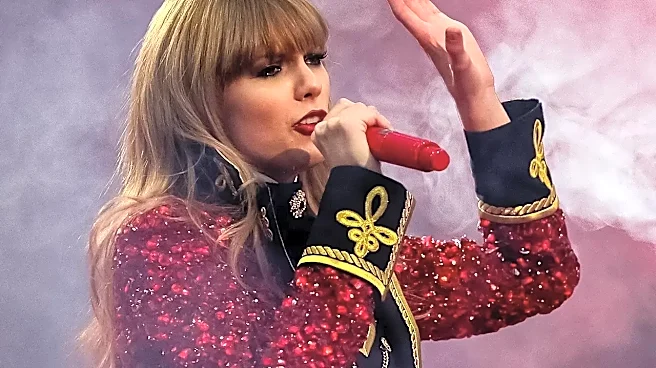
did the strategy. The Red era (2012) marked a pivotal shift towards a more defined and replicable aesthetic. The high-waisted shorts, striped shirts, classic red lipstick, and bangs weren't just a look; they were a uniform. This accessible, vintage-inspired style was easy for fans to adopt, creating a sense of shared identity. It was the first clear sign that Swift understood fashion not just as costume, but as a tool for community-building and narrative reinforcement, linking a specific look to the album's themes of passion and heartbreak.
Weaponizing the Wardrobe: The 'Reputation' Reset
No era demonstrates Swift’s use of fashion as narrative armor better than 2017's Reputation. Following intense public scrutiny where she was labeled a “snake,” Swift went dark, both musically and visually. She adopted the snake as a mascot, turning a symbol of scorn into one of empowerment and rebirth. Her wardrobe became a defensive line: black bodysuits, leather, dark lipstick, and combat boots projected strength and defiance. On tour, one-legged bodysuits resembled armor, visually communicating themes of control and resilience. This was fashion as a direct response to a public narrative, a masterclass in reclaiming an image by leaning into the caricature and twisting it into a symbol of power.
A Tale of Two Aesthetics: 'Lover' vs. 'folklore'
If Reputation was a storm, Lover (2019) was the rainbow that followed. The aesthetic pivoted dramatically to match the album’s optimistic tone. Dark palettes were replaced with pastel pinks, blues, and purples; snakes gave way to butterflies. The fashion was whimsical, romantic, and celebratory, full of sequins, hearts, and tie-dye that screamed joy. Then, the pandemic brought another sharp turn. With the surprise sister albums folklore and evermore (2020), Swift embraced a cozy, introspective “cottagecore” aesthetic. Plaid coats, comfortable cardigans, and earthy tones reflected the albums' stripped-down, narrative-focused sound. This switch proved her ability to not only create a new visual world on a dime but also to perfectly capture and influence the cultural mood of the moment.
The Eras Tour: A Fashion Victory Lap
The Eras Tour is the ultimate culmination of this strategy, a literal walking scrapbook of her career told through costume changes. Each segment of the show is dedicated to an album, complete with its own distinct wardrobe. She opens with a sparkling Versace bodysuit for the Lover era, dons a slinky, snake-themed Roberto Cavalli catsuit for Reputation, and wears flowing, ethereal gowns for folklore and evermore. These outfits act as immediate visual cues, transporting the audience through her history. The tour's wardrobe is a sentimental journey, with Swift intentionally collaborating with designers like Cavalli who have been with her since her early tours, creating a meta-narrative about loyalty and her own history. The outfits aren't just clothes; they are monuments to each chapter of her career.
The Modern Poet: A Scholastic Turn
With her latest album, The Tortured Poets Department, Swift has once again shifted her visual identity to match a new sonic and emotional landscape. The aesthetic is moodier and more literary, drawing from dark academia, Victorian mourning dress, and the look of silent film stars. The color palette is stark—black, white, and sepia tones—reflecting the album's themes of heartbreak and introspection. Corsets, ruffled blouses, pleated skirts, and loafers have defined her look, signaling a more mature, scholastic, and melancholic chapter. This visual pivot prepares the audience for the album's lyrical depth and emotional rawne ss, proving that even a simple color scheme can set the stage for an entire world of music.