


In fashion, the words 'cropped,' 'shrunken,' and 'cutaway' are often used to describe modern garments, but they aren't interchangeable. Understanding the subtle but important distinctions is key to mastering your personal style. Here's how to tell them
apart.
The Cropped Cut: It's All About Length
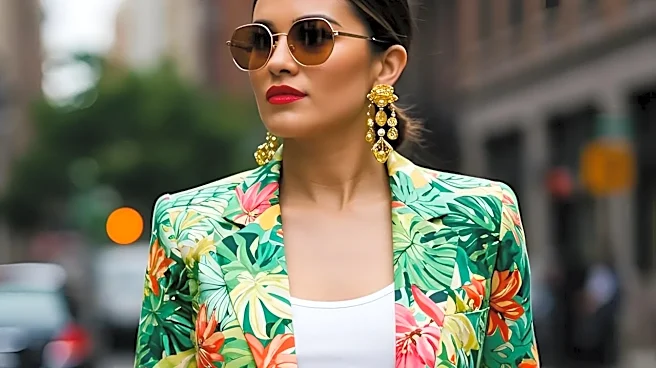
The simplest of the three, a cropped silhouette refers to any garment that has been intentionally shortened. The defining characteristic is its hemline, which typically ends somewhere above the natural waist for tops and jackets, or above the ankle for pants. Think of a standard t-shirt, blazer, or pair of jeans, and then imagine it was precisely trimmed to be shorter. That's a crop. The primary goal isn't always to show skin, but to manipulate proportions. By raising the visual waistline, a cropped top or jacket can make your legs appear longer, creating a balanced and intentional look, especially when paired with high-waisted bottoms. A cropped fit can be boxy, loose, or tight; the 'crop' only refers to the shorter length, not the overall fit.
The Shrunken Fit: A Nod to the '90s
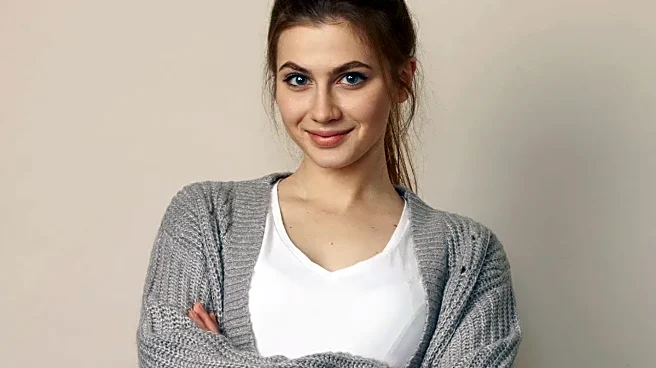
A shrunken silhouette is different from a crop because it’s about the garment's total proportions, not just its length. Imagine your favorite sweater accidentally went through a hot wash and came out smaller all over—that's the shrunken look. It’s more fitted through the body, tighter on the cuffs, and generally has less ease and fabric throughout. This style was popularized by the 'baby tees' and snug cardigans of the 1990s and has seen a major resurgence. While a shrunken piece is often cropped by nature, it doesn't have to be. The key distinction is the overall snugness. A 'cropped' sweater can still be slouchy and oversized, just short. A 'shrunken' sweater, however, is designed to look purposefully small, hugging the frame more closely. It creates a very different, more rigid aesthetic than a relaxed crop.
The Cutaway: Architectural and Intentional
The term 'cutaway' refers to a design where pieces of the fabric have been strategically removed to create a specific shape or reveal a part of the body. Unlike a crop, which is a straight-across shortening, a cutaway is more architectural. The most classic example is a formal cutaway coat, where the front is cut diagonally away from the waist to reveal tails in the back. In modern womenswear, this translates to dresses with side cutouts, blazers that curve sharply away from the front closure, or tops with cutaway shoulders that expose the collarbone and tops of the arms. A cutaway is defined by what’s missing and the interesting lines that negative space creates. It’s less about a general fit and more about a deliberate, often asymmetrical design detail.
How to Choose the Right One
Choosing between these silhouettes depends entirely on the look you're trying to achieve. Go for 'cropped' when your main goal is to play with proportions. Pairing a cropped jacket or top with high-waisted pants is a nearly foolproof way to define your waist and elongate your legs. It's a versatile choice for almost any body type. Opt for 'shrunken' when you want a more fitted, body-conscious look that channels a vintage '90s or early-2000s vibe. This silhouette is inherently more playful and can feel a bit more daring than a simple crop. Choose 'cutaway' when you want to make a structural or architectural statement. A dress with cutaway sides or a blazer with a cutaway front is an intentional fashion choice that draws the eye and feels modern and a little bit edgy.