








The Anti-Fairy Tale
We're conditioned to root for the little guy, the team of upstarts playing beautiful, flowing soccer against the Goliaths of the world. But tournament football is a brutal, unforgiving environment. For teams without a roster of superstars, trying to out-play
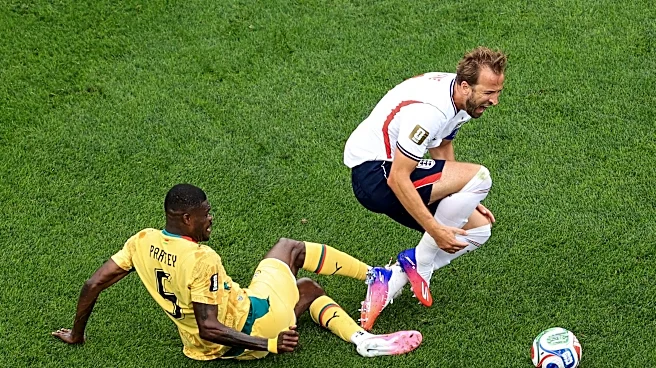
giants at their own game is often a recipe for a noble, but swift, exit. The alternative? Don't play their game. Instead, you can become the villain. This means embracing tactics that are cynical, frustrating, and deeply unpopular with neutrals. Think organized, relentless defending; tactical fouls to disrupt rhythm; time-wasting; and an absolute refusal to be cowed by a more glamorous opponent. It’s not pretty, but it’s a conscious strategic choice to trade admiration for a chance to win.
Forging a Siege Mentality
The psychological power of being the villain is immense. Coaches like José Mourinho and Diego Simeone have built legendary careers on their ability to create an "us against the world" siege mentality. This mindset thrives on perceived hostility from the outside—be it from the media, opposing fans, or even referees. Every criticism and every boo from the crowd is harnessed as fuel, bonding the squad together into a cohesive, defiant unit. When a team believes everyone wants them to lose, it can eliminate individual ego and foster an extraordinary sense of collective purpose. This shared feeling of victimization and defensiveness makes the team more resilient and committed to their collective goal. The villain role provides a simple, powerful narrative: everyone is against us, so all we have is each other. This can be a far more potent motivator than simply trying to play good soccer.
The Tactical Advantage of the Dark Arts
From a purely tactical perspective, playing the villain is a great equalizer. A team with inferior technical skill can neutralize a superior opponent by refusing to let them play. Diego Simeone's Atlético Madrid, particularly in the 2010s, became masters of this. Their rigid 4-4-2 formation, relentless pressing, and willingness to defend with unparalleled work rates made them a nightmare for even the most star-studded attacks. They weren't just defending; they were actively disrupting, suffocating opponents and forcing them into mistakes. This approach isn't about parking the bus and hoping for the best. It's an aggressive, organized strategy that requires immense discipline. Tactical fouls break up counter-attacks, compact defensive shapes deny space, and a direct, counter-punching offense exploits the opponent's frustration. It’s a game plan that turns the match into a street fight, not a ballet—a contest where grit can triumph over grace.
Case Study: The Unlovable Champions
The ultimate proof of this concept is Greece's miraculous victory at Euro 2004. With odds as high as 150-1, they were given no chance. Coached by the German tactician Otto Rehhagel, Greece played a brand of defensive, man-marking football that was widely criticized as boring and negative. They were a team worth more than the sum of their parts, built on organization, grit, and tactical awareness. They suffocated opponents, conceded possession, and scored almost exclusively from set-pieces and crosses. In the final, they defeated the host nation, Portugal—a team brimming with talent including a young Cristiano Ronaldo—with a single shot on target. They won by making the game ugly, frustrating their more skilled adversaries into submission. Greece wasn't the hero the tournament wanted, but they became the champions because they were the villains the tournament couldn't beat.