



Honor the Core Melody
First, the golden rule of any good remake: don't break what isn't broken. The 2016 Moana is treasured for its emotional depth, stunning animation, and, most importantly, its music. The songs penned by Lin-Manuel Miranda, Mark Mancina, and Opetaia Foaʻi
are the film's heartbeat. The live-action version, set for a July 10, 2026 release, must treat these musical numbers not as contractual obligations but as sacred text. This means preserving the soul of anthems like “How Far I’ll Go” and the playful energy of “You’re Welcome.” For the die-hard fans, these moments are non-negotiable. Any significant deviation in melody or lyrical intent would feel like a betrayal. The film's success with its core audience depends on capturing that same lightning in a bottle, delivering the powerful, heartfelt musical journey that made the original a classic. It’s about respecting the emotional anchor that fans have cherished for years.
The Justification for Live-Action
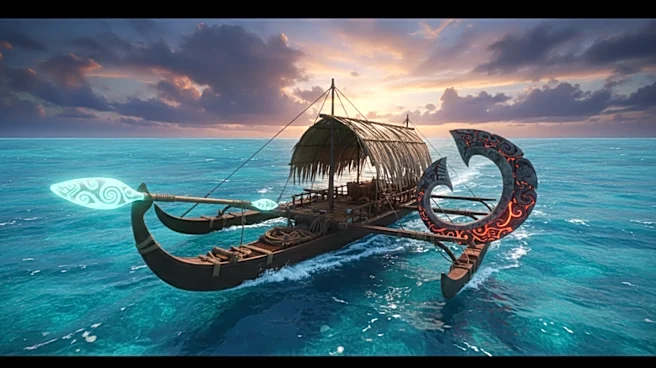
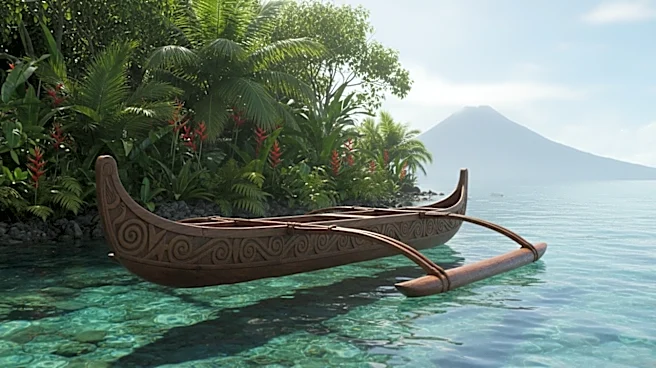
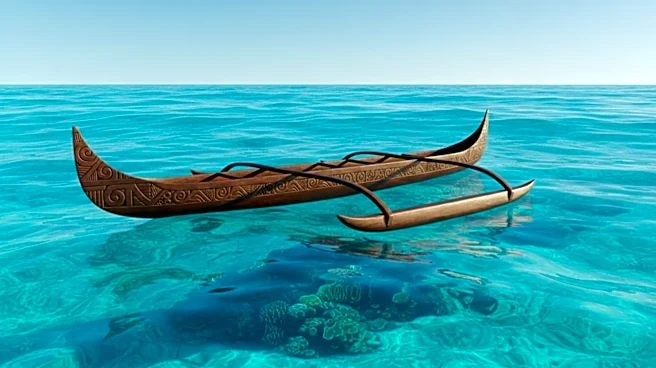
A shot-for-shot remake is a missed opportunity. The true potential of a live-action Moana lies in its ability to expand the world. Animation allows for boundless imagination, but live-action offers a tangible, visceral reality. This is where the film can win over newcomers and even surprise loyalists. With Hamilton's Thomas Kail directing, there's a unique opportunity to ground the story's theatricality with realism. Imagine seeing the intricate details of ancient Polynesian voyaging techniques, feeling the spray of a real ocean, and exploring the lush landscapes of Motunui in a way that feels immersive and authentic. The new format allows for quieter, deeper character moments—more time spent with Moana’s family, a more nuanced look at Chief Tui's protective nature, or a richer exploration of the mythology behind Te Fiti. It’s not about changing the story but adding layers and texture that the animated medium, by its nature, could only suggest.
Passing the Baton, Respectfully
Casting is arguably the most critical element. While Dwayne “The Rock” Johnson reprises his iconic role as the charismatic demigod Maui, the titular role of Moana has been passed to a new star. Australian actress Catherine Laga'aia, who is of Samoan descent, is stepping into the lead role. This decision was made with the full blessing of the original Moana, Auliʻi Cravalho, who is serving as an executive producer. Cravalho has been vocal about the importance of passing the baton to another young woman of Pacific Island descent, ensuring the story continues to provide vital representation. For fans, this shows a deep respect for the character's legacy. For new viewers, it presents a fresh face to lead the adventure. Laga‘aia's performance will be central to the film’s success, and the public endorsement from Cravalho and Johnson creates a powerful bridge between the original and the remake, framing it as an evolution, not a replacement.
Expanding the Mythology and Culture
With key creatives from the original, including co-writer Jared Bush and producer Lin-Manuel Miranda, the remake is poised to deepen its cultural storytelling. Dwayne Johnson, who is also a producer, has repeatedly emphasized that the story is deeply personal and an emblem of his own culture. This provides a chance to expand on the lore of the Pacific Islands that was central to the first film. The live-action format can showcase the 'grace and warrior strength' Johnson speaks of in a more detailed, lived-in way. This could manifest in more elaborate rituals, deeper explanations of the connection between the people and the sea, or even exploring the Realm of Monsters with more terrifying creativity, as hinted with the return of Jemaine Clement as the voice of the giant crab Tamatoa. By enriching the cultural tapestry, the film rewards longtime fans with new insights while providing a richer, more grounded entry point for those unfamiliar with the story.