
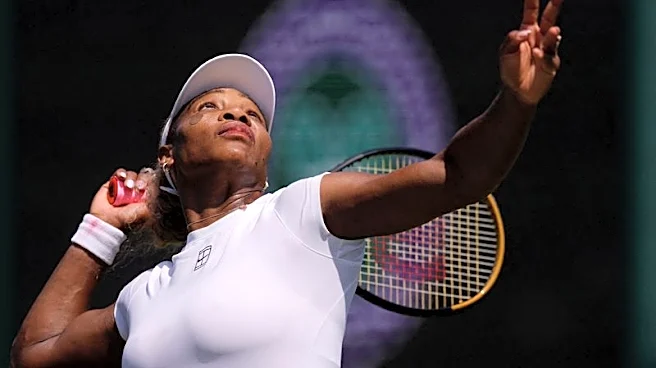


Selling an Idea, Not Just a Product
At its core, linking a beauty product to a world-class sporting event is about selling an idea. Wimbledon, with its manicured lawns and high-stakes drama, represents grace under pressure, endurance, and quiet confidence. These are the very qualities that
brands want you to associate with their products. When a company references Centre Court, they aren't just talking about a location; they're tapping into a rich vein of cultural meaning. The strategy is to transfer the feelings associated with Wimbledon—prestige, performance, and heritage—onto the product itself. The All England Club is notoriously protective of its brand, with a small, exclusive list of official partners like Rolex and Ralph Lauren. This exclusivity makes any association, even an indirect one, feel more potent. Brands without an official partnership must get creative, leveraging the broader cultural conversation around the tournament through influencer marketing, social media campaigns, and strategic public relations.
Why Peptides Are the Perfect Match
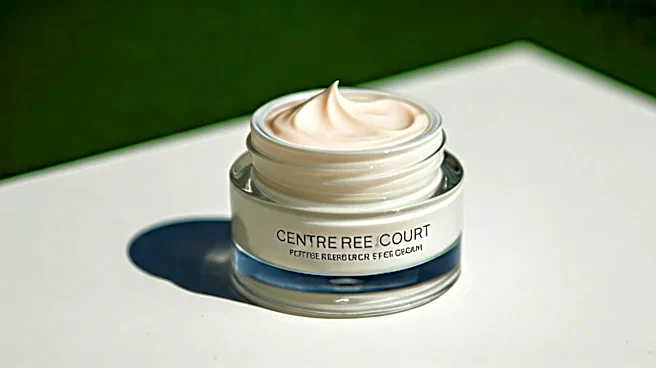
The choice of a peptide eye cream for this narrative is no accident. In the crowded skincare market of 2026, peptides are positioned as high-performance, 'smart' ingredients. They are short chains of amino acids that act as messengers, signaling skin cells to build more collagen or perform other restorative functions. This scientific story of cellular communication and repair aligns perfectly with the Wimbledon themes of precision and endurance. Marketing language often describes peptides as helping skin perform at its best, which beautifully mirrors the language of athletic excellence. Brands frame these ingredients as a way to achieve visible, structural results, moving beyond simple moisturizing to active repair. This positions the product not as a cosmetic cover-up, but as a training regimen for your skin—a way to build resilience against stress and fatigue, just like an athlete.
The 'Heat Claim' Playbook
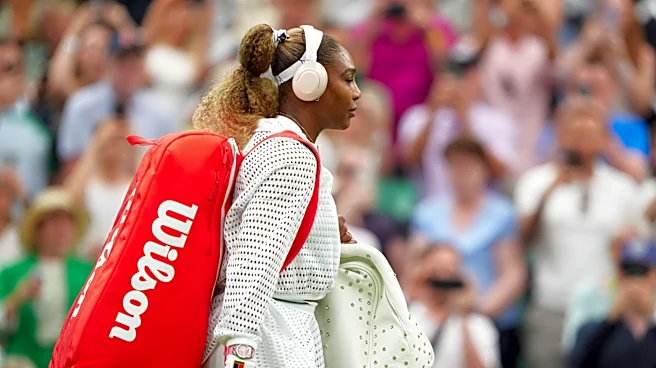
So, how do brands build the actual 'heat claim'—the idea that a product can help you handle the pressure? It happens through a multi-pronged approach. An official partnership, like La Roche-Posay becoming Wimbledon's exclusive sun care supplier for 2026, is the most direct route. The brand can then distribute samples and host on-site activations, creating a tangible link between the product and the event. For others, it's about aspirational marketing. A brand might partner with a tennis star, like Gucci did with Jannik Sinner or Lancôme with Iga Świątek, creating an association between their elite performance and the brand's products. Another popular tactic is influencer marketing. Brands gift products to creators attending the tournament, who then produce 'get ready with me for Wimbledon' content. This content seamlessly blends the aspirational lifestyle of attending the exclusive event with the practical use of the product, suggesting it’s part of a high-status routine.
The Psychology of Borrowed Prestige
This marketing strategy is effective because it taps into a powerful psychological driver: aspirational identity. Consumers don't just buy products; they buy better versions of themselves. By linking an eye cream to the world of elite tennis, brands allow consumers to feel a part of that world. Using the product becomes a small ritual that connects them to a lifestyle defined by elegance and achievement. It’s a classic form of what marketers call 'brand association,' where a product absorbs the positive attributes of a person, place, or idea it's connected to. The story becomes: if this product is associated with the world of Wimbledon, it must be effective, sophisticated, and worth the price. It transforms a simple purchase into an investment in a feeling—the feeling of being composed, elegant, and ready for your own personal Centre Court moment, whatever that may be.