


The Gospel of 'Two is One'
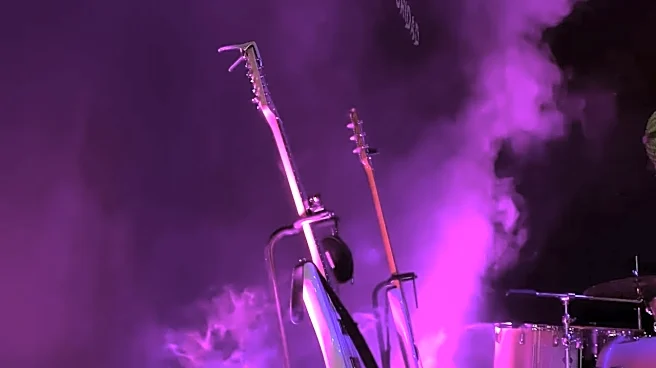
In the world of live events, there’s a mantra professionals live by: “Two is one, and one is none.” This simple phrase governs everything. It means that for every critical piece of equipment, there must be a backup. One microphone isn't safe; you need
a second one ready. One power source is a risk; a backup generator must be standing by. This philosophy of redundancy is the bedrock of modern concert production. It isn’t about pessimism; it’s about professionalism. Seasoned tour managers and production heads know it’s not a question of if something will fail, but when and how quickly it can be solved. The audience pays for a seamless experience, and the crew’s job is to create an invisible safety net of backup systems, spare parts, and contingency plans to deliver it.
Solving Silence Before It Starts
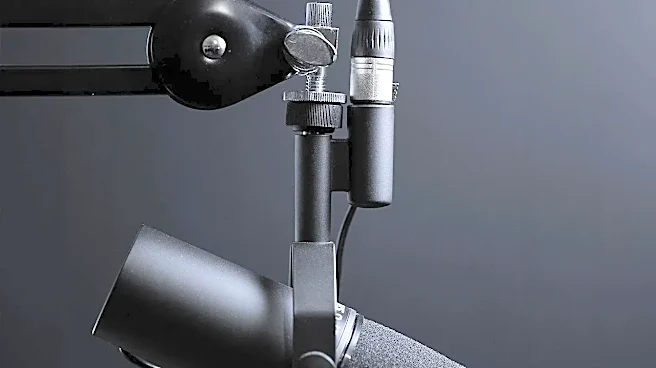
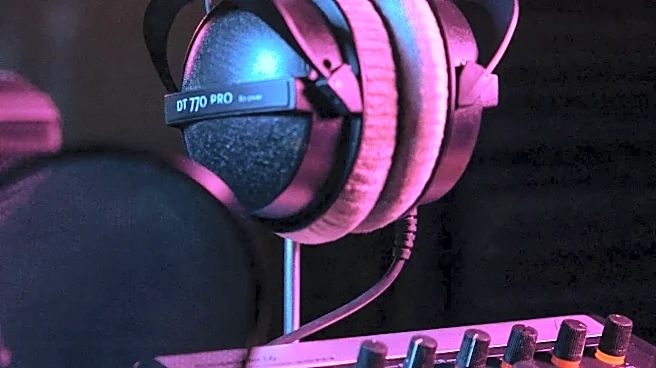
A audio is the most obvious place for disaster to strike. A lead singer’s microphone cutting out, a sudden screech of feedback, or a guitarist’s amp going silent can derail a show instantly. To prevent this, audio engineers are masters of preparation. Key vocal mics often have a duplicate, wired or wireless, sitting on the stage or ready in the wings. Production managers ensure that spare cables, batteries, and even entire mixing consoles are part of the touring inventory. On large-scale tours, engineers often run a redundant “clone” of the main digital mixing board. If the primary console crashes—a rare but catastrophic failure—they can switch to the backup system in seconds, often before the audience even registers a problem.
Keeping the Lights On
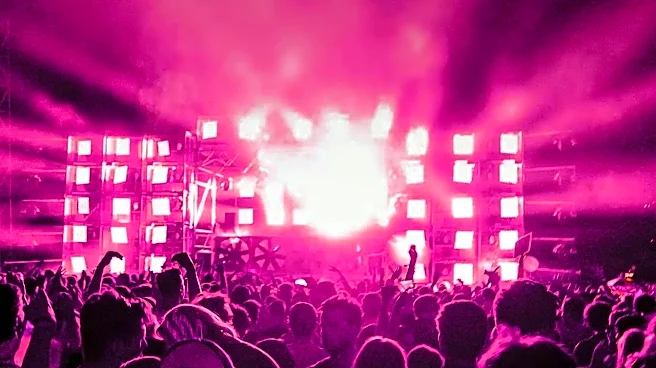
A modern concert’s lighting and video display is a dazzling, complex beast run by sophisticated software. But with complexity comes more points of failure. A single moving light could freeze, a video wall panel could glitch, or the lighting control desk could lock up. Just like with audio, redundancy is key. Lighting programmers often have a backup controller running in parallel. If the main board fails, the second one takes over immediately, running the exact same cues. For video, extra LED panels and processors are always kept on hand. The goal is to ensure that even if a component fails mid-show, the visual spectacle can continue without a jarring, show-stopping blackout.
The Unseen Power Play
None of the sound or lights work without electricity, making power the single most critical and vulnerable element of any show. Relying solely on a venue’s house power is a gamble many productions are unwilling to take. Older buildings may have unreliable wiring, or the massive power draw of a modern show could exceed the venue’s capacity. This is why major tours bring their own power distribution systems and, often, their own generators. These generators provide clean, stable, and predictable power, isolated from any issues with the local grid. Furthermore, critical digital equipment, like sound and lighting consoles, are often connected to uninterruptible power supplies (UPS)—giant battery backups that provide a buffer against any momentary power flicker or outage, preventing a reboot that could kill the show for several minutes.
When the Problem Isn't Technical
Not all problems are technical. Gear gets lost by airlines, tour buses break down, and performers get sick. This is where the human element of production, led by the tour manager, shines. A great tour manager is the ultimate problem-solver and diplomat. They have contact lists for local equipment rental shops in every city for last-minute gear replacements. They coordinate with travel agents to book alternate flights. They have relationships with local doctors and a plan for medical emergencies. They handle everything from misplaced luggage to ensuring the band has a quiet hotel floor for proper recovery between gigs. Their job is to manage the chaos of life on the road so that the only thing the artist has to worry about is putting on a great performance.