




From Eyeballs to Earbuds
For decades, the goal of an awards show was simple: get as many people as possible to watch the broadcast. But in an era where YouTube, TikTok, and streaming services dominate music consumption, a television audience is no longer the main prize. Today,
an event like the VMAs serves a different master. It’s a high-gloss marketing funnel designed to answer one question: can this three-minute performance, shocking win, or red-carpet look convert viewers into listeners who will press play on Spotify or Apple Music? This is the streaming conversion question. It’s the invisible engine driving which artists get booked, what songs they perform, and why labels invest heavily in these moments. Success isn't just a gold-plated moon person; it's a measurable post-show spike in streams, followers, and playlist adds that generates revenue long after the broadcast ends.
The Anatomy of a Conversion Moment
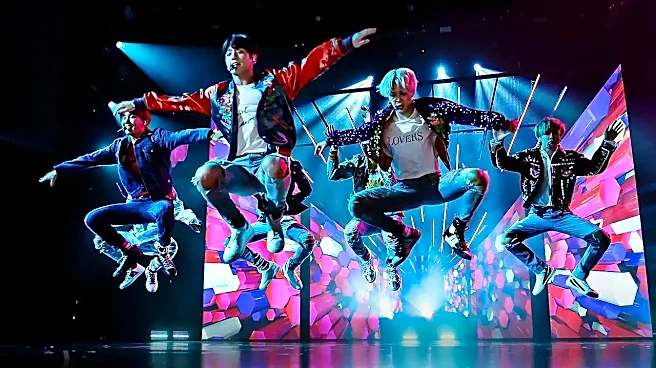
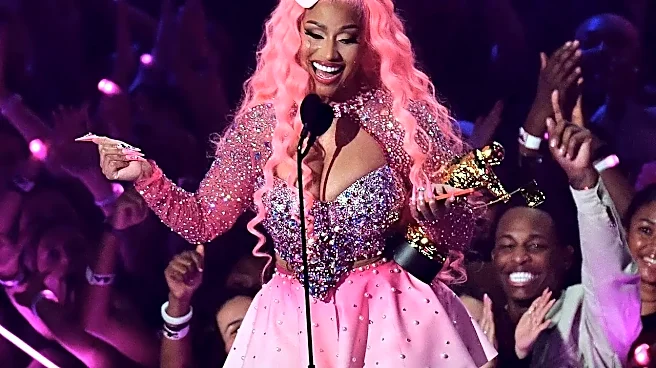
Every memorable VMA moment is now a potential data point. Labels and artist teams plan campaigns around these appearances, hoping to create a spectacle that cuts through the noise. A surprise performance of a new single, a nostalgic reunion, or a tribute to a music legend isn't just good television—it’s a strategic prompt for viewers to pull out their phones. For example, a legacy artist like Madonna opening the 2026 show for the first time in 23 years isn't merely a nod to the past; it's a play to reactivate her catalog on streaming services. Similarly, when a breakout artist performs, their team is betting that the exposure will translate into a higher position on key streaming playlists and a flood of new social media followers. The goal is to turn a fleeting cultural moment into a sustained digital footprint.
Does the Spectacle Still Work?
The data shows that a well-executed awards show appearance can indeed move the needle. Following major performances, artists often see a significant uplift in streaming numbers and social engagement. Analytics platforms now model these potential outcomes, showing how a combination of radio airplay, YouTube views, and social media buzz correlates with an artist's overall market position. For example, an analysis of 2026's nominees revealed that while some artists have a massive year-long streaming base, others gain momentum through short-term buzz, highlighting the two different paths to success in the modern music economy. However, the impact is often short-lived. The decentralized nature of the internet means that while the VMAs can still create a topic of conversation, it's harder than ever to hold the public's collective attention. For every success story, there are dozens of performances that fail to make a dent, raising questions about whether the massive investment is always worth the return.
The Future Is a Hybrid
As its cultural dominance has waned, MTV has adapted its strategy. The 2026 VMAs, for instance, aired simultaneously on broadcast network CBS and the streaming service Paramount+, a clear admission that the old model is no longer sufficient. This hybrid approach acknowledges that the audience is fragmented. Some will watch live on television, others will catch clips on TikTok or YouTube, and a dedicated few will stream the entire show. By existing across all these platforms, the VMAs aim to remain relevant as a centralized cultural event in a decentralized world. The show itself is no longer just a program; it's a content engine, producing clips, soundbites, and memes designed to circulate online and, ultimately, lead users back to the streaming platforms where the real money is made.