





The Allure of the Set Piece
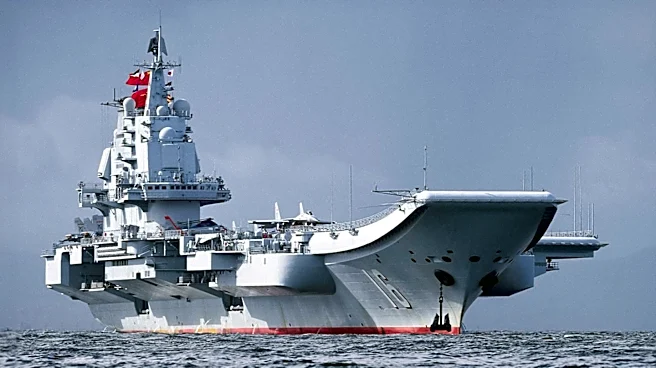
There’s a clean, cold logic to seeing the world this way. For decades, U.S. strategy in the Pacific has been defined by concepts like the "First Island Chain," a geographic line of allied territories from Japan down through the Philippines, seen as a crucial
barrier to Chinese naval expansion. This approach simplifies an immensely complex region into a manageable diagram of chokepoints and forward-operating bases. It allows planners to draw lines on a map, allocate resources, and speak in the confident language of strategic denial—preventing an adversary from achieving their objectives. The appeal is undeniable: it reduces the messy realities of diplomacy to a straightforward game of position and control, making existential competition feel predictable.
When the Pawns Have a Voice
The problem is, these pawns have their own plans. Island nations are not static military assets waiting for activation; they are sovereign countries with unique economies, cultures, and pressing domestic concerns. For many Pacific Island states, the most immediate existential threat isn't a hypothetical naval battle, but the very real and present danger of climate change and rising sea levels. When U.S. officials show up primarily to discuss military basing rights or to counter China's influence, they often talk past the primary concerns of their hosts. These nations have become adept at navigating the competition between Washington and Beijing, leveraging the rivalry to secure economic aid, infrastructure investment, and support for their own agendas. They refuse to be locked into an "us-or-them" framework, instead seeking partnerships that deliver tangible benefits for their people.
The Blowback of a Simple Strategy
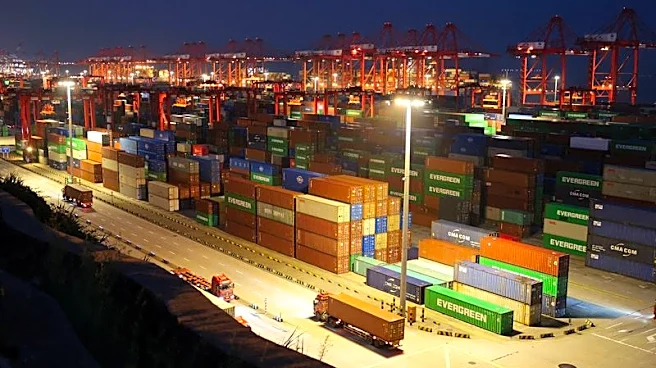
Treating allies as instruments creates strategic vulnerabilities. When engagement is purely transactional and security-focused, it leaves a massive opening for rivals to build deeper, more holistic relationships. China, for instance, has systematically expanded its influence across the Pacific not just through security pacts, but with decades of investment in trade, telecommunications, and infrastructure. This approach, while carrying its own risks of debt and elite capture for the host nations, allows Beijing to become an indispensable economic partner. For the U.S., a foreign policy that only activates during a crisis or focuses narrowly on military hardware can appear neglectful and unreliable, eroding the very influence it seeks to maintain. This can lead to what diplomats fear most: being outmaneuvered not by force, but by relevance.
A New Model for Engagement
The alternative to the set-piece strategy isn’t to abandon American interests, but to pursue them more intelligently. A durable and effective foreign policy must be built on genuine partnership, not just strategic convenience. This means engaging island nations on their own terms and prioritizing their most urgent needs, such as climate resilience, economic development, and public health. Initiatives like boosting digital connectivity, funding climate mitigation, and supporting sustainable industries like fishing are not charity; they are the bedrock of long-term strategic influence. By becoming the partner of choice for solving real-world problems, the U.S. can build alliances that are resilient, voluntary, and far more valuable than any piece on a chessboard. These are relationships that can't be easily flipped by the highest bidder because they are rooted in shared prosperity and mutual respect.