



The Art of the Gracious Loser
The perfect case study for winning the internet has already emerged from this year’s Emmy celebrations. Actress Kaitlin Olson, nominated for her guest role on the acclaimed comedy 'Hacks,' lost in her category during the Creative Arts Emmys ceremony.
What happened next was a masterclass in modern celebrity. Olson took to Instagram, posting a glamorous photo with her husband Rob McElhenney with the caption: “The hair, makeup and wardrobe of a four-time Emmy loser.” The post was instantly iconic. It was funny, self-aware, and deeply relatable. Instead of a silent loss, she created a moment of connection. Her comment section flooded with fans declaring her the real winner, proving that a sharp sense of humor can be more powerful than any acceptance speech. She didn't win the award, but she won the conversation.
The Meme-able Reaction Shot
The camera operators at the Emmys have a second, unspoken job: to find the reaction that will launch a thousand memes. When the winner’s name is read, the broadcast director inevitably cuts to the faces of those who didn't win. It’s a moment of high drama and high stakes. A forced smile can look bitter. A blank stare can be interpreted as a snub. But a genuine, heartfelt smile for the winner, a supportive hug for a co-star, or even a comically over-the-top expression of defeat can turn a nominee into an internet folk hero. These fleeting moments, captured and looped for eternity as GIFs and reaction videos, often have a longer cultural shelf life than the memory of who actually won the category. It’s a silent performance, but it can define an actor’s public persona for years.
The Red Carpet Power Play
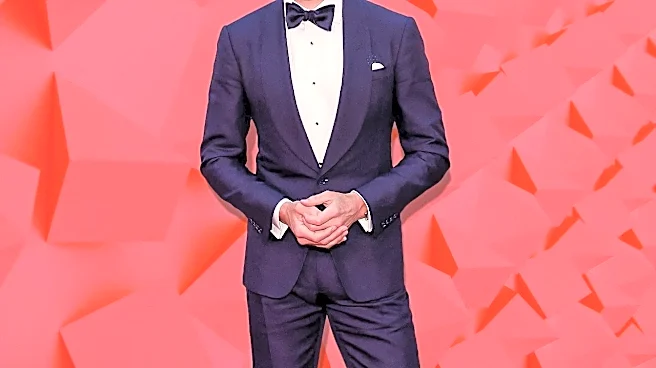
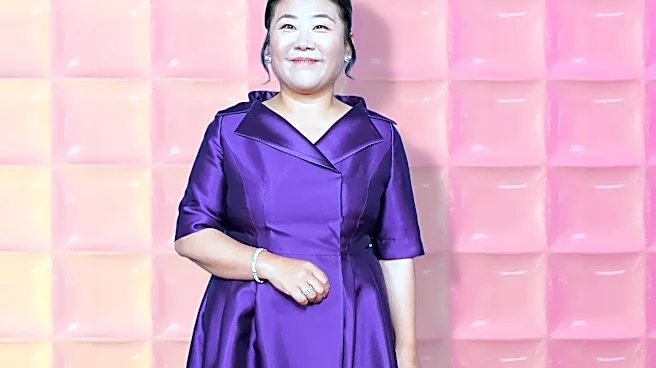
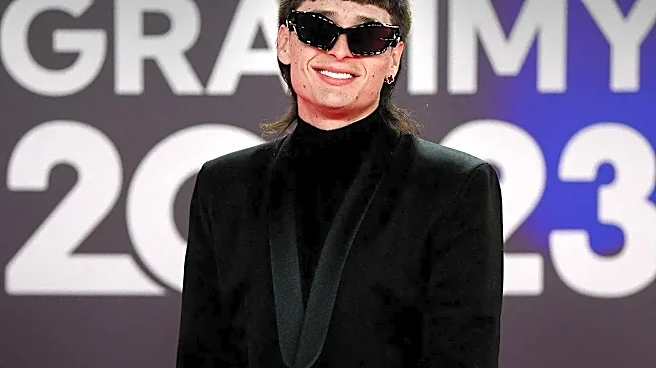
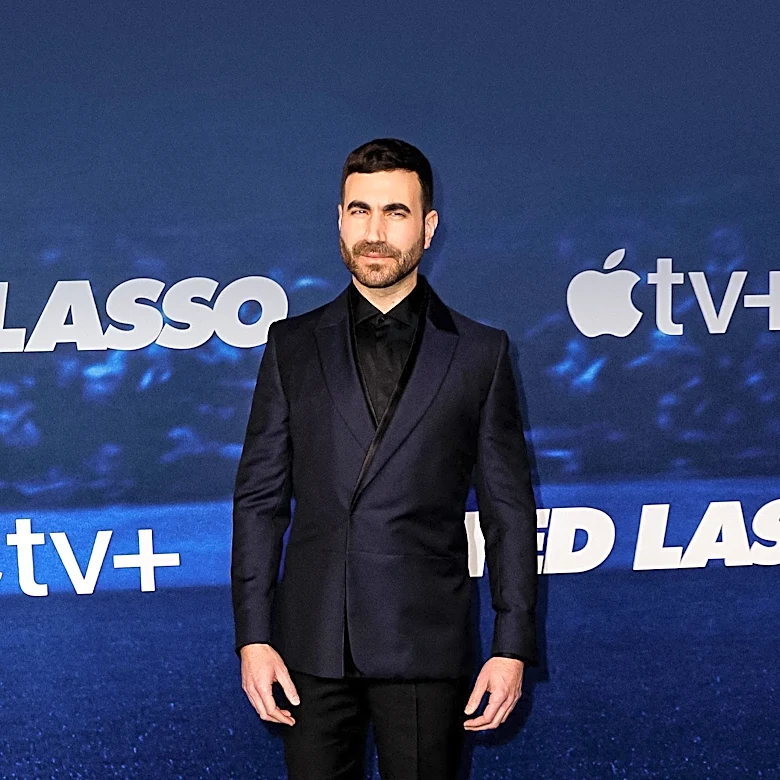
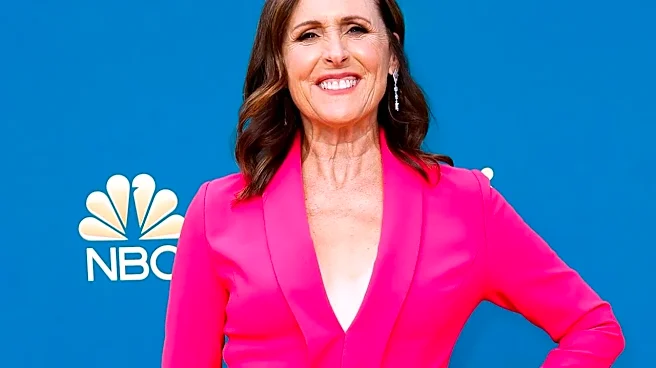
Long before the first envelope is opened, a different competition is already underway on the red carpet. For many nominees, the night's biggest win is sartorial. An unforgettable fashion choice—whether it’s a breathtaking gown, a daring and innovative suit, or a look that simply breaks from the norm—can dominate headlines for days. While awards celebrate past performance, fashion is about the present moment and future trends. A star who loses their category but is unanimously declared 'best dressed' still comes out on top. Their image is splashed across every major publication and social media feed, reinforcing their relevance and star power. In an industry built on image, securing a spot on every best-dressed list is a significant victory in its own right.
Owning the Clip Economy
In 2026, the television audience is only a fraction of the total viewership. The real audience is on social media, consuming the show in bite-sized pieces. It's a phenomenon some have called the 'clip economy,' where a 15-second interaction can generate billions of impressions. Winning the internet isn't just about a single viral tweet or meme; it's about creating moments that are easily shareable. This could be a witty bit of banter between presenters, a surprisingly emotional tribute, or a candid backstage glimpse. These clips travel instantly across TikTok, Instagram, and X, often without context but packed with entertainment value. An actor who creates one of these moments is no longer just a nominee; they're a content creator, and their social currency skyrockets. They may not have given a speech on the main broadcast, but their face and name are seen by far more people.