


More Than Just a Movie
Remember when the most exciting part of a movie premiere was seeing the film itself? Today, the show often starts long before the opening credits roll. Theaters across the country are turning summer movie openings into immersive fan gatherings. Think
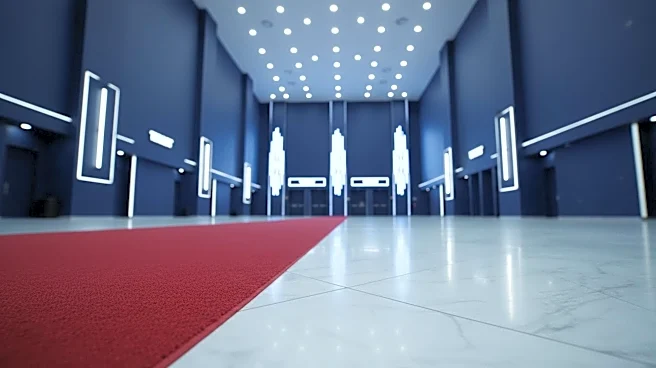
less multiplex, more mini-convention. For big franchise releases, it’s not uncommon to find lobbies decked out in thematic decorations, elaborate photo opportunities, and costumed employees setting the scene. Theaters like Alamo Drafthouse have become famous for their special events, offering everything from chef-inspired menus themed to the film to advance screenings that feature exclusive content or giveaways. For the release of a new “Spider-Man” film, for instance, fans might find a limited-time “Spider-Menu” of themed drinks, while a family film like “Paw Patrol” gets an early access screening with bonus content for kids. This approach turns a simple movie screening into a memorable, shareable experience.
The Battle Against the Couch
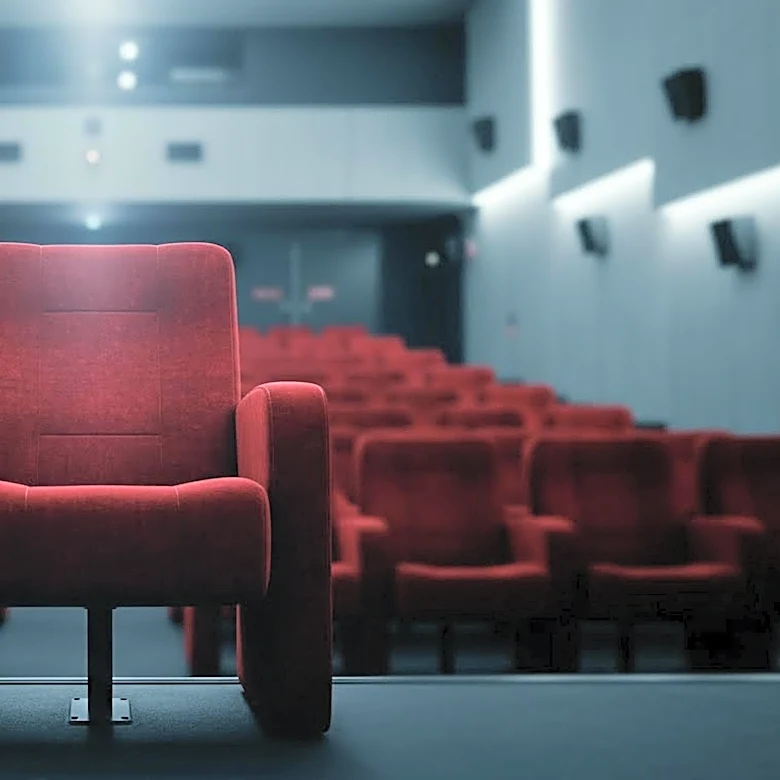
So, why the sudden push for spectacle? In a word: streaming. With high-quality home theater systems and an endless library of content available at the click of a button, cinemas have to offer something more than just the movie. The convenience of staying home is a powerful competitor, and theaters are fighting back by emphasizing what streaming can’t replicate: the power of community. A 2026 survey of art house moviegoers found that 66% preferred independent theaters because they engendered “more of a sense of community,” and 74% were drawn to “interesting programs and events.” Theaters are leaning into this by creating social, experience-driven outings. By hosting anniversary parties for classics like “Wet Hot American Summer” or interactive “Movie Party” presentations of timeless favorites, they provide a communal space for fans to celebrate together. These events transform the theater from a passive viewing space into an active, social destination.
Harnessing the Power of Fandom
Modern moviegoing is increasingly fueled by dedicated fanbases who are eager to celebrate the properties they love. Theaters are wisely tapping into this energy. Instead of just selling tickets, they are hosting fan-specific events, Q&A sessions with filmmakers, and anniversary screenings that feel like major happenings. For example, Alamo Drafthouse organized an 18-city tour with director and actor Bruce Campbell for his new film, featuring a screening followed by a live conversation. This model extends to classic films, too, with chains like Flix Brewhouse bringing back fan favorites like “Harry Potter” and “The Fast & The Furious” for anniversary runs, complete with limited-time themed menus. These events aren't just for niche audiences. Major chains like AMC have revived programs like their “Summer Movie Camp” for families and offer a rotating selection of “Fan Faves” for just $5, making the big-screen experience more accessible. It’s a recognition that the audience wants to do more than just watch; they want to participate.
From Indie Roots to Mainstream Adoption
While boutique cinemas and independent theaters have long been pioneers in creating unique screening experiences, the trend is now firmly mainstream. Large multiplexes are adopting similar strategies to draw crowds. Beyond special screenings, many are partnering with local community groups and organizations to host outdoor movie nights and film series, effectively turning theater grounds into public squares. For example, Celebration Cinema in Grand Rapids, Michigan, teams up with Downtown Grand Rapids Inc. for a free “Sunset Cinema” series in a public piazza, complete with an outdoor bar and local food vendors. These partnerships show that theaters are reimagining their role in the cultural life of a city. They are no longer just isolated buildings for watching films but are becoming active community hubs that foster connection and shared experiences.