


What Exactly Is a Bell Sleeve?
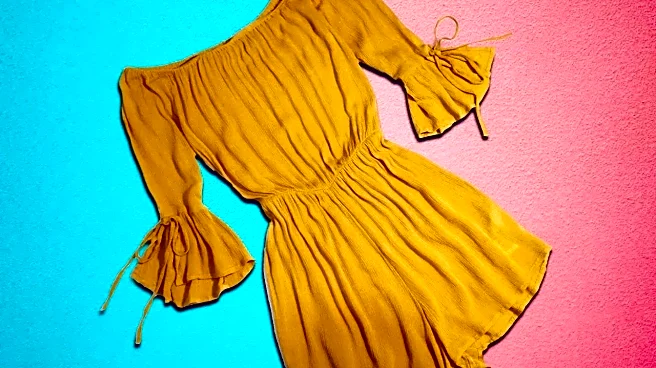
At its core, a bell sleeve is exactly what it sounds like: a sleeve that flares out toward the cuff, creating a bell-like shape. It’s typically fitted smoothly at the shoulder and begins to widen anywhere from the elbow to the wrist. This distinguishes
it from its cousins, like the butterfly sleeve, which is shorter and flares from the upper arm, or the bishop sleeve, which balloons out before being gathered into a cuff. The beauty of the bell sleeve is its simplicity and inherent drama. Without pleats or gathering, it relies on the cut of the fabric to create movement and a flowing silhouette that can feel both elegant and effortless.
A Surprisingly Long and Storied History
While most of us associate bell sleeves with the hippie vibes of the 1970s, their story goes back much, much further. The style first appeared in Western fashion during the Medieval Era, initially on the robes of clergy members. However, the religious association didn't last long. By the 1500s, European nobility had adopted the style, making the sleeves as dramatic and embellished as possible to signify wealth and status. French and English royalty, like Anne of Brittany and Elizabeth I, were known for their elaborate, oversized bell and hanging sleeves that showcased luxurious fabrics. The style dipped in and out of fashion for centuries, but its core identity as a symbol of either piety or power remained, setting the stage for its most famous revival.
The 1970s Vibe and Why It Endures
The bell sleeve’s most iconic moment came during the late 1960s and 1970s. As fashion moved away from the structured looks of the early '60s, loose, flowing silhouettes became the uniform of the counterculture. Paired with flared bell-bottom pants, the bell sleeve top or peasant dress became a defining look of the era. This wasn't just a fashion choice; it was a statement. The unrestrictive, flowing shape symbolized a break from conformity and a connection to a more free-spirited, bohemian lifestyle. Musical and style icons like Stevie Nicks, with her famously witchy and ethereal stage presence, cemented the bell sleeve's association with romance, rebellion, and artistic expression. This enduring symbolism is a key reason why the bell sleeve continues to make a comeback; it’s a simple way to add a touch of nostalgic, free-spirited charm to a modern wardrobe.
How to Style Bell Sleeves Without Looking Costume-y
Bringing this dramatic detail into a modern wardrobe is easier than it looks. The key is balance. Because bell sleeves add volume to your upper body, it’s often best to pair them with more fitted pieces on the bottom. A bell-sleeve blouse looks sharp and intentional with slim-fit trousers, skinny jeans, or a sleek pencil skirt. This contrast keeps the silhouette from becoming overwhelming. For a more casual, everyday look, a simple bell-sleeve top paired with classic denim shorts or jeans is an effortless way to elevate a basic outfit. The most important tip? Be mindful of the sleeve's length and volume in practical situations. While wonderfully dramatic, an exaggerated bell sleeve can be a hazard around a dinner table or morning coffee. Opt for shorter flares for daily wear and save the floor-sweeping versions for making an entrance.