







The Psychology of Having Something to Lose
Before a goal is scored, both teams have the same objective: get the lead. The game is a level playing field of risk and reward. The moment that first goal hits the back of thenet, everything changes. The leading team suddenly has a tangible asset to
protect. In the high-stakes environment of a cup competition, where a single goal can be the difference between advancing and elimination, the fear of losing that advantage often becomes more powerful than the desire to increase it. This psychological shift is immediate. Players who were just pressing forward and taking chances now have a new primary instruction in their minds: do not concede. This isn't just cowardice; it's a natural human and strategic response to a change in the game's circumstances.
The 'Low Block' and Conserving Energy
Soccer is a physically punishing game. Maintaining a high-pressing, aggressive attacking style for 90-plus minutes is next to impossible for most teams. By scoring first, a team earns the luxury of changing the game’s tempo. Dropping into a more defensive formation, often called a “low block,” is a way to conserve precious energy. Instead of chasing the ball all over the opponent's half, players retreat, stay compact, and reduce the amount of sprinting required. This is especially crucial in cup tournaments where games can go into extra time. A team that conserves energy while protecting a 1-0 lead will have more in the tank for the final 15 minutes or a potential 30-minute extra period.
It’s About Space, Not Just Defending
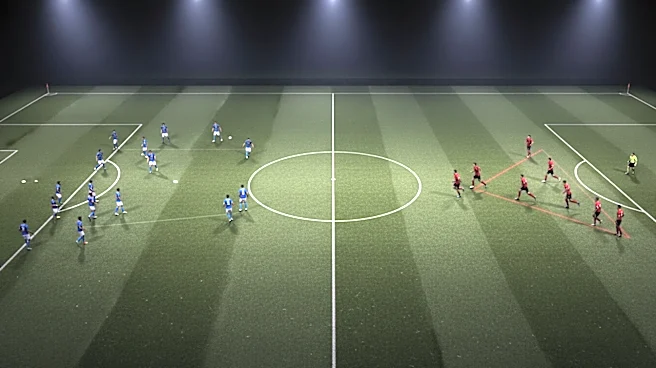
Sitting back isn't just about putting 11 players in front of the goal and hoping for the best. A well-organized defensive block is a complex tactical system designed to control space. The primary goal of a low block is to deny the opponent entry into the most dangerous areas—the central channel in front of the penalty box. The formation becomes compact and narrow, forcing the attacking team into wide areas. This leads to hopeful crosses into a crowded box or speculative long-range shots, both of which are lower-percentage opportunities than a clear chance from 12 yards out. A disciplined low block frustrates opponents by giving them plenty of possession in non-threatening parts of the field while cutting off the pathways to the goal.
The Counter-Attack as a Hidden Weapon
The most effective defensive shells aren't purely passive. Sitting deep has an offensive benefit: it baits the other team forward. As the trailing team commits more players to the attack in search of an equalizer, they leave vast amounts of space behind their own defensive line. This is the perfect setup for a devastating counter-attack. A quick turnover, a long pass into the empty space, and a fast forward can suddenly create a golden opportunity for a second goal that could seal the match. So, while it looks like one team is absorbing all the pressure, they are often just waiting for that one moment when the opponent overcommits, turning their defensive posture into a potent offensive weapon.
The Obvious Risks of Inviting Pressure
Of course, this strategy is fraught with danger, which is why it's so stressful for fans to watch. By ceding possession and territory, a team invites sustained pressure on its goal. This leads to more shots, more corner kicks, and more chances for a lucky bounce, a deflection, or a moment of individual brilliance from an attacker to break through. It puts immense mental strain on the defenders, who know that a single mistake could undo all their hard work. If the defensive block isn't perfectly organized, or if concentration lapses for even a second, the strategy can backfire spectacularly, leading to the very late equalizer the team was trying so hard to prevent.