






They Sculpt with Sound, Not Just Record It
Top-tier podcasts treat their audio landscape like a film director treats a set. It’s not just about capturing clean dialogue; it’s about building a world. This is the art of sound design. Think about the subtle, almost unnoticeable hum of fluorescent
lights in an office scene or the specific bird calls that place a story in a particular region. Producers of award-winning shows create a sonic mood board, asking what the core emotion of a segment is—tense, funny, calm—and then select ambient sounds to support that feeling. This intentional layering of sound makes the listening experience immersive, transforming a simple narrative into a place a listener can inhabit. It's the difference between being told a story and being dropped right into the middle of it.
They Edit for Emotion, Not Just Mistakes
Amateur podcast editing focuses on removing 'ums,' 'ahs,' and long pauses. Professional editing is about shaping the narrative and emotional arc. The real work begins after the recording stops, where producers search for the “emotional spine” of the conversation. This means they might cut a witty tangent that doesn’t serve the central theme or tighten the space between two people’s lines to build tension. Conversely, they might leave in a shaky breath or a moment of hesitation to let a powerful statement land with its full weight. The goal isn’t to create a perfectly robotic transcript; it’s to make the final audio feel more human and intentional, ensuring every moment serves the story.
They Weaponize Silence
In podcasting, silence isn’t dead air; it’s a powerful tool. Many creators fear silence, rushing to fill every available second with noise. But the best producers understand that a well-placed pause is like punctuation for the ear. A short beat after a surprising revelation gives the listener a moment to process. A longer silence following an emotional confession allows empathy to build. This strategic use of silence controls the pace of the show, adds emphasis to key points, and prevents listener fatigue. It signals to the audience what’s important, separating mundane details from crucial plot points without the narrator having to say, “pay attention to this.” It shows confidence and respects the listener's intelligence.
They Obsess Over Consistency
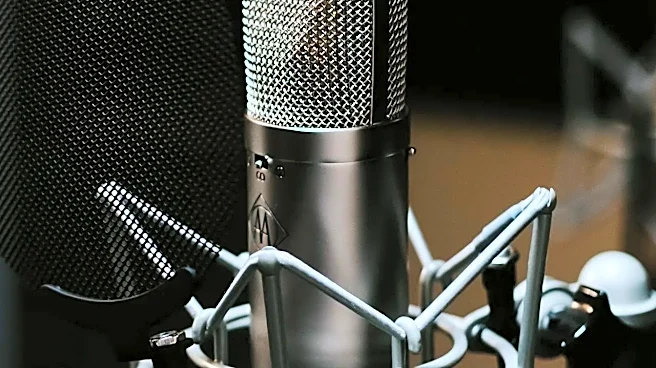
An awards-caliber podcast has a distinct sonic identity. This doesn't happen by accident. Producers establish a set of rules for everything from how intros are structured to the specific type of compression used on vocals. This ensures that whether you’re listening to episode two or episode 200, the show feels familiar and reliable. This includes technical details like ensuring all hosts and guests use the same type of microphone to avoid jarring shifts in audio quality. It also means using consistent equalization (EQ) to make voices sound clear and present, and applying compression to even out volume levels so the listener never has to touch their volume dial. This obsessive consistency builds a recognizable brand and signals professionalism, turning casual listeners into loyal subscribers.
They Prioritize Clarity Above All
No matter how ambitious the storytelling, elite podcasts never lose sight of one fundamental rule: the listener must be able to understand every word. Producers use a variety of techniques to ensure vocal clarity. A high-pass filter is often applied to remove low-frequency rumbles from things like air conditioners or traffic. A technique called 'de-essing' is used to soften harsh 's' sounds that can be grating on headphones. Beyond technical fixes, it's about making choices that serve comprehension. This might mean scripting narration carefully to provide context or choosing a simpler story structure to avoid confusion. The most beautiful sound design or moving musical score is worthless if the core narrative is muddy.