




Built for Chaos, Designed for People
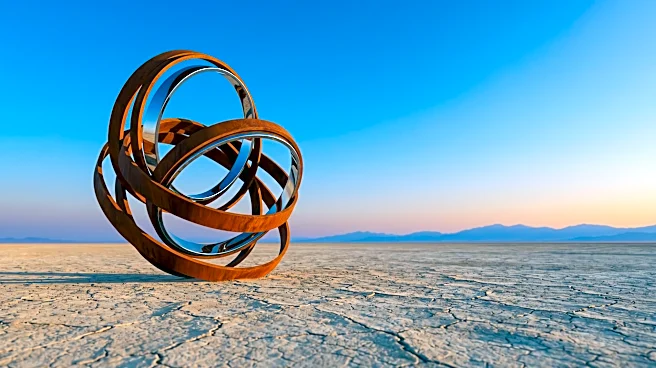
Each year, Nevada's Black Rock Desert is transformed into a temporary city built around art and community. The environment is one of extremes: relentless sun, corrosive alkaline dust, high winds, and dramatic temperature swings. Any art installation destined
for the playa must first be a marvel of engineering, robust enough to withstand the elements and the enthusiastic engagement of tens of thousands of participants. But durability is only half the battle. The most successful pieces are those that invite interaction, encouraging people to climb, pull, push, and play. This is where the concept of a 'soft opening' comes in, a crucial step that separates good art from unforgettable experiences.
The Workshop 'Soft Opening'
Long before an installation is packed up for its journey to Nevada, many artists hold informal rehearsals. These aren't just for finding structural weak points; they are essential user-experience labs. In a backyard, workshop, or local park, friends, family, and members of the local community are invited to interact with the piece. This is the first time the art faces its most unpredictable variable: human curiosity. It’s one thing to design a lever you assume people will pull gently; it’s another to watch three people try to hang from it at once. This pre-playa testing reveals how people naturally approach the art, often in ways the creator never anticipated. Do they understand the goal? Are the controls intuitive? Is it, above all, fun?
Discovering the Unintended Magic
The true secret advantage of these rehearsals isn't just about preventing breakage. It's about discovering the art's soul. An artist might build a sculpture with a specific narrative in mind, only to watch users invent their own games and stories around it. A light controller designed for one person might become a collaborative musical instrument for a group. These sessions are a goldmine of feedback. Viewers might find a creepy element to be intimate and familiar, or a simple mechanism to be unexpectedly challenging. This feedback loop is invaluable. It allows artists to lean into the unexpected joys their work creates, often leading to crucial design changes. They might add clearer visual cues, simplify an interaction, or enhance an element that users find particularly delightful.
From Object to Experience
At Burning Man, the line between artist and audience is intentionally blurred. The principle of radical participation means that art is not something to be passively observed but actively engaged with. Rehearsing with real users is the embodiment of this philosophy. It infuses the creative process with a collaborative spirit before the artwork even hits the desert floor. By anticipating how people will connect with their work—both physically and emotionally—artists can refine their creations to be more than just objects. They become catalysts for connection, play, and shared wonder. The pieces that feel truly alive on the playa often do so because they’ve already learned how to dance with people back home, turning a static sculpture into a dynamic, communal experience.