
The Unofficial Uniform
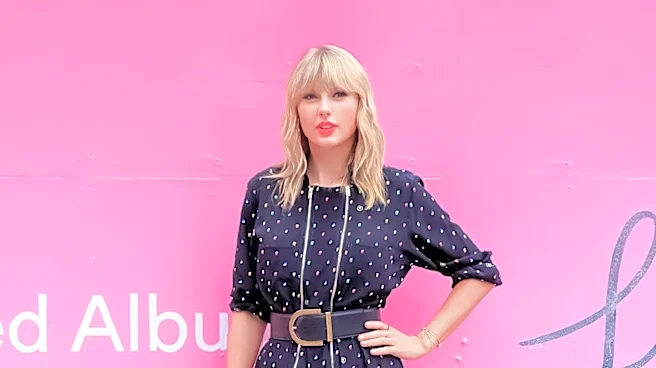
In the summer of 2023, two of the biggest pop culture events weren’t just heard; they were seen. At Taylor Swift’s Eras Tour, stadiums transformed into a living mosaic of fan-made costumes. Each outfit was a nod to a specific musical 'era,' from the sparkly
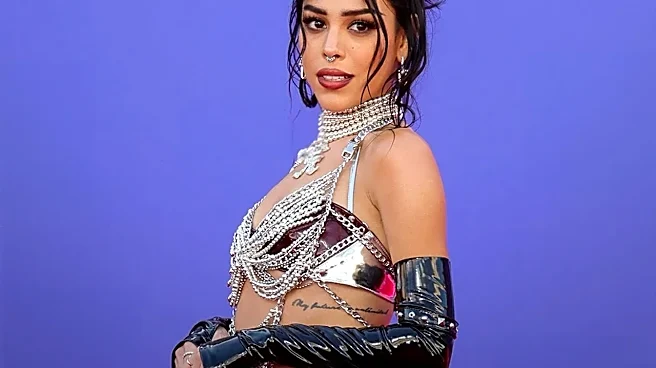
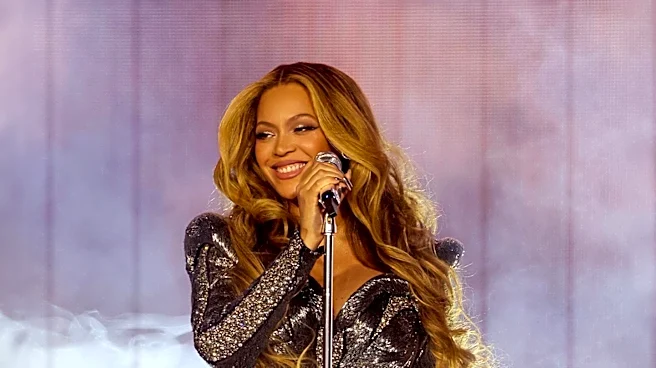
dresses of 'Fearless' to the pastel hues of 'Lover' and the dark, snake-motifs of 'Reputation.' Simultaneously, movie theaters were flooded with a tidal wave of pink as fans flocked to see Greta Gerwig's 'Barbie,' creating a global social moment dubbed 'Barbiecore.' Not to be outdone, Beyoncé issued a direct request for her birthday month shows: fans were to come decked out in their 'most fabulous silver fashions' to create a 'shimmering human disco ball.' The BeyHive happily obliged, turning arenas into chrome and glitter spectacles. This phenomenon is more than a dress code. It’s a powerful, unspoken signal of belonging. Before a single note is played, your outfit announces that you’re part of the tribe.
The Psychology of Belonging
So, why does wearing the same color as 70,000 strangers feel so good? It taps into a fundamental human need for connection. Psychologically, donning a specific color or style is a form of 'enclothed cognition,' where the clothes we wear can influence our mindset and behavior. By adopting a shared visual identity, fans lower the social barriers that normally exist between strangers. Suddenly, complimenting someone’s 'Midnights'-inspired dress or silver cowboy hat becomes an easy, natural icebreaker. It’s an instant conversation starter that confirms a shared passion. This visual solidarity transforms a massive, anonymous crowd into a collective of individuals united by a common language. It says, 'We’re all in this together.' For many, it creates a safe and celebratory space, particularly within communities that have historically been marginalized.
From Team Jerseys to Album Eras
Coordinated fan attire isn’t entirely new. Sports fans have worn team colors for decades, and subcultures like punk and goth have always used fashion to signal their identity. But the scale and specificity of today's pop culture dressing are different. It started gaining modern traction with Harry Styles' 'Love on Tour,' where fans adopted feather boas and fruit-themed outfits based on his songs and aesthetic. But the Eras and Renaissance tours, along with the 'Barbie' phenomenon, have taken it to a new level. The key difference is the blend of official encouragement and fan-led creativity. While Beyoncé explicitly requested silver, Swift's fans organically developed their own era-based themes. Online communities on TikTok, Reddit, and Facebook became hubs for sharing outfit ideas, DIY tutorials, and sourcing specific pieces, amplifying the trend into a global movement. The hashtag #ErasTourOutfits, for instance, has billions of views on TikTok.
A Fan-Powered Phenomenon
While artists and movie studios certainly benefit from the incredible visuals, this trend is overwhelmingly fan-driven. It's a grassroots movement that empowers attendees to become active participants in the show, not just passive observers. Dressing up allows fans to express their personal connection to the art. Picking a 'Speak Now' purple dress or a 'Renaissance' alien-superstar look is a declaration of personal identity within the larger collective. It’s a way to feel seen and understood in a massive venue. This creative participation enriches the concert experience for everyone, turning each show into a unique, immersive event. The artists themselves have acknowledged this powerful feedback loop. Swift praised her fans for the friendship-bracelet trading phenomenon that sprung from a single lyric, calling it a lasting legacy of the tour. Beyoncé's request for silver was a direct collaboration with her audience to co-create the show's atmosphere. It's a testament to the fact that the most powerful communities are built not from top-down mandates, but from shared joy and creative expression.