


The All-Important Sonic Foundation
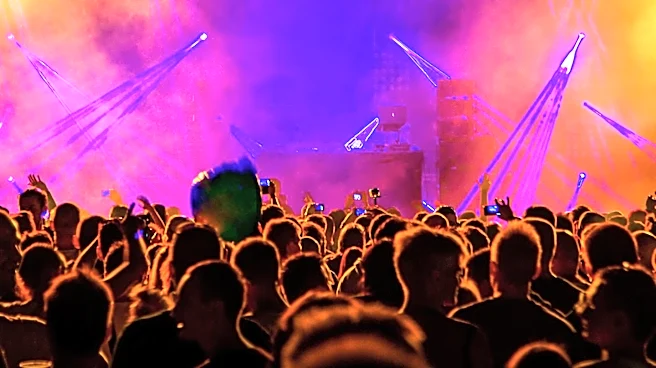
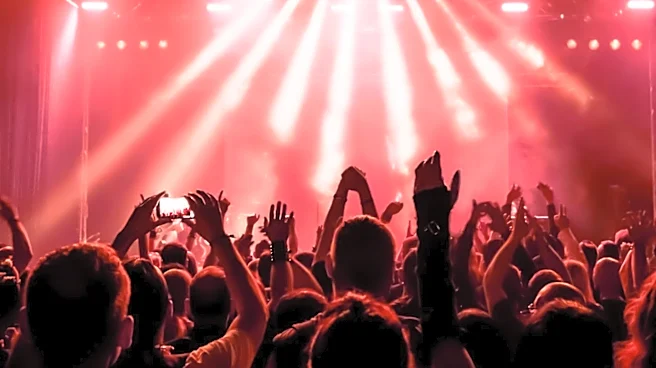
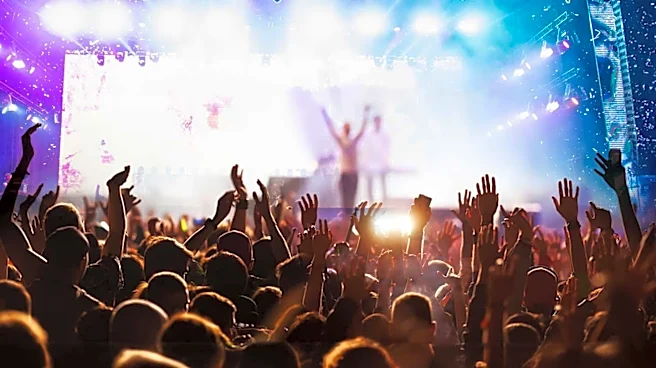
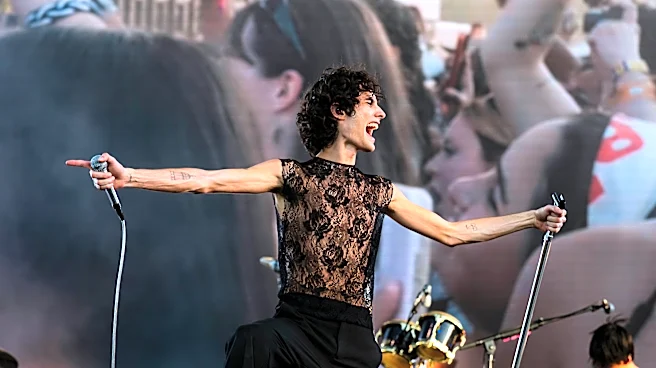
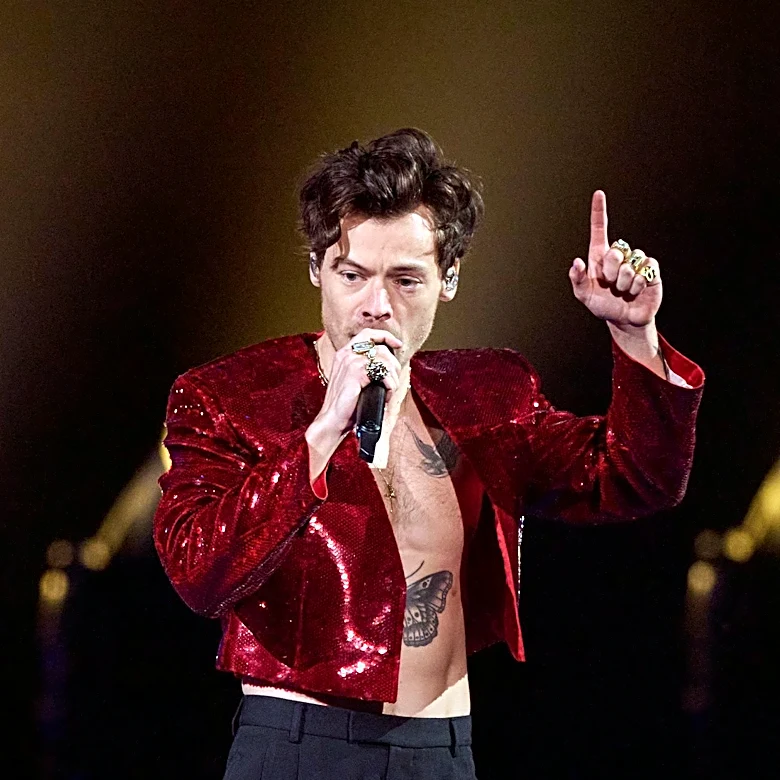
At its core, Lollapalooza is still governed by its soundtrack. While the festival has evolved from its '90s alternative rock roots, its power lies in a diverse, and often debated, lineup that aims to capture the current musical moment. The 2026 festival,
for instance, sparked conversations with its historic all-female headlining quartet of Lorde, Charli XCX, Tate McRae, and Olivia Dean, alongside Chicago-native DJ John Summit and rock veterans The Smashing Pumpkins. This eclectic mix ensures that while the festival may feel increasingly pop-centric to some, it still offers a broad church of sound, from indie rock and hyperpop to EDM and hip-hop. This musical variety is the foundational layer—the reason hundreds of thousands of fans from different generations and subcultures first decide to show up. It creates a space where a fan might come for a headliner like Lorde but discover an indie folk band from Ireland on a smaller stage, ensuring the spirit of musical discovery that started it all remains intact.
Merch: More Than a Souvenir
In the sprawling marketplace of Grant Park, what you buy is almost as important as who you see. The official Lollapalooza merch shop, with its annual collection of apparel and accessories, serves as the most direct way to prove you were there. But the merchandise ecosystem extends far beyond festival-branded t-shirts. It's a complex economy of cool. Artist merch tents become destinations, with fans lining up for exclusive items that serve as a badge of honor and a tangible connection to a performance. Then there's the parallel festival of brand activations. Companies like Dunkin', T-Mobile, and Ulta Beauty create immersive oases offering free swag, exclusive experiences, and photo ops. These spaces are a festival within the festival, providing not just freebies but a place to recharge and be seen. This commercial layer isn't just background noise; it's a core part of the experience, intertwining consumer culture with fan identity.
The Grant Park Runway
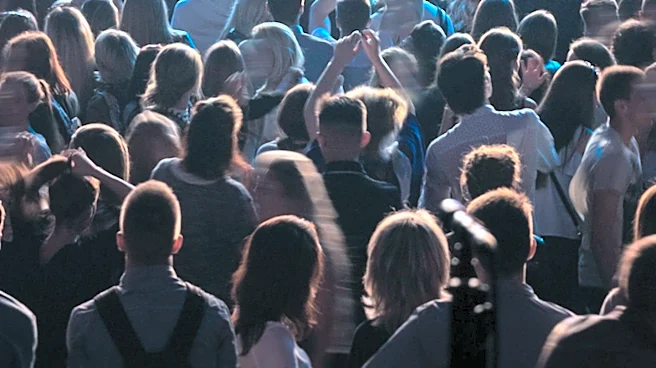
Nowhere is the theme of identity more visible than in the crowd itself. Lollapalooza has become a full-blown fashion spectacle, a real-world runway where personal style is the main event. For four days, attendees craft and showcase identities, drawing from a mix of trending aesthetics. The 2026 crowds saw a blend of Y2K-inspired streetwear, boho-western looks, and coordinated sets. Fans often dress in homage to their favorite artists; Lorde's followers might don skeletal outfits and silver accessories, while Charli XCX's fans could be spotted in Von Dutch hats. This act of dressing up is a form of participation, a visual way of signaling which musical tribe you belong to. It's an expression of self that is both individualistic and communal, amplified in an era of social media where a festival outfit is curated to be photographed and shared. Lollapalooza provides the ultimate backdrop for this performance of identity.
A Physical Nexus in a Digital World
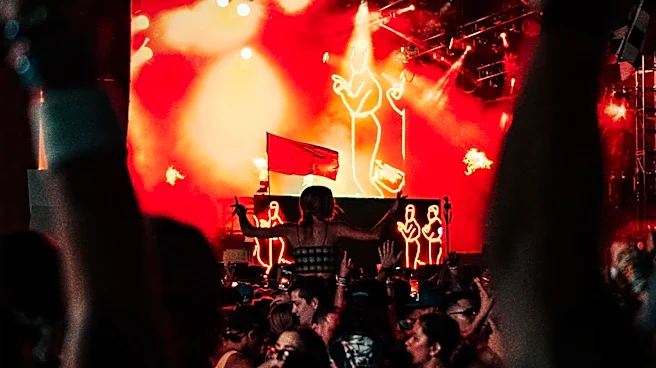
So why does Lollapalooza endure? Because it successfully merges these three pillars—music, merch, and identity—into a cohesive and compelling annual event. It has evolved from a touring showcase for '90s counterculture into a stationary Chicago institution that reflects the current, broader pop culture landscape. The festival provides a physical gathering place that is increasingly rare, a temporary city where diverse crowds can connect over a shared experience. You might see a 50-year-old reliving a Smashing Pumpkins set near a teenager having a transcendent moment at Olivia Dean's Lolla debut. This ability to be a crossroads for different generations and tastes is its enduring strength. It’s a space to hear the music that defines your year, buy the shirt that proves you were part of it, and wear the outfit that tells the world who you are.