


The Film and the Role
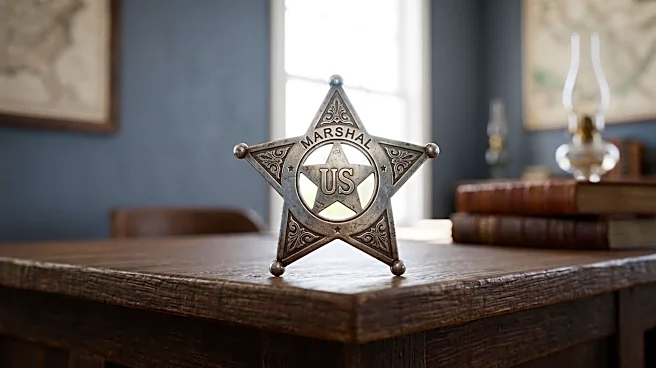
The film was 1952's High Noon, a Western that broke the mold. It wasn't about cattle drives or heroic cavalry charges. Instead, it was a tense, real-time psychological drama about a town marshal, Will Kane, who is abandoned by the very people he protected
when a ruthless outlaw he sent to prison returns for revenge. Kane is a man defined not by swagger, but by his quiet, terrified resolve. It was a complex, vulnerable role, and the film itself was seen by many as a powerful allegory for the cowardice surrounding the Hollywood blacklist during the McCarthy era.
Why Peck Said No
The part of Marshal Kane was first offered to John Wayne, who turned it down, believing the film's story was un-American. The offer then went to Gregory Peck. At the time, Peck was a major star, but he had just finished 1950's The Gunfighter, in which he played an aging, weary gunslinger. He felt the role of Will Kane was too similar and feared being typecast in Westerns. It was a logical career consideration, but one he would come to regret. Other major stars like Marlon Brando, Montgomery Clift, and Charlton Heston also reportedly declined the part.
Gary Cooper's Comeback
With Peck and others out, the role went to Gary Cooper. Once one of Hollywood's highest-paid actors, Cooper's career was perceived to be in a downturn. He was older and in poorer health, but he took on the role of the isolated, weary marshal. The performance was a revelation. Stripped of heroic certainty, Cooper’s Kane was a man wrestling with fear, duty, and disillusionment. His understated portrayal perfectly captured the character's internal struggle, making his ultimate decision to stand alone all the more powerful.
An Oscar and a Lasting Regret
The gamble paid off spectacularly. High Noon was a commercial and critical success, earning seven Academy Award nominations. Gary Cooper won the Oscar for Best Actor, his second and final competitive win. Because he was ill, Cooper asked his friend John Wayne—the same man who had called the film un-American—to accept the award on his behalf. Gregory Peck, meanwhile, later admitted that turning down the role was the biggest mistake of his career. While always gracious, acknowledging that he didn't think he could have been as good as Cooper, the missed opportunity still stung.
A Legacy Secured Elsewhere
While passing on High Noon cost him a potential Oscar, Gregory Peck's career was hardly diminished. He remained one of Hollywood's most respected and enduring stars for decades, a symbol of integrity and moral fortitude on screen. Ten years later, he would have his own definitive, Oscar-winning moment, portraying the noble lawyer Atticus Finch in 1962's To Kill a Mockingbird. That role would become his most iconic, proving that while timing and choices shape a career, true talent ultimately finds its defining moment.