




The Other Halftime Show
Forget the elaborate, Super Bowl-style halftime show planned for this year's final. The real spectacle for many viewers and media outlets is the unscripted, celebrity-driven narrative playing out in the stands. Every time a broadcast cuts away from the action
to show a world-famous actor, musician, or influencer, it’s a deliberate choice. This isn't just filler content; it's a core part of the modern sports entertainment strategy. Celebrities provide a parallel storyline that broadens the event's appeal beyond hardcore sports fans. A shot of Ryan Reynolds passionately cheering for Canada or Salma Hayek at a Mexico match creates instant social media buzz, pulling in audiences who might care more about Hollywood than hamstring injuries. It transforms a soccer match into a major cultural event where spotting stars like Brad Pitt, Tom Cruise, and David Beckham becomes a game within the game.
From 'WAGs' to Global Brands
The term “Page 3” is a relic of British tabloids that once featured glamour models, but its modern spirit lives on in the intense focus on the “WAGs” (wives and girlfriends) of the players. This phenomenon exploded into the mainstream during the 2006 World Cup, when the partners of the English team became tabloid superstars. Two decades later, that coverage has evolved. Today’s prominent partners are often celebrities, influencers, and businesswomen in their own right, from Cristiano Ronaldo's partner Georgina Rodríguez, a reality star and model, to Lionel Messi’s wife Antonela Roccuzzo, who has her own massive following. The Taylor Swift effect at NFL games provided the ultimate blueprint, demonstrating how a single celebrity’s presence can generate millions in media value and attract an entirely new demographic. Sports leagues and broadcasters have taken note: the right celebrity relationship is now a powerful marketing tool.
The Semifinal Celebrity Roster
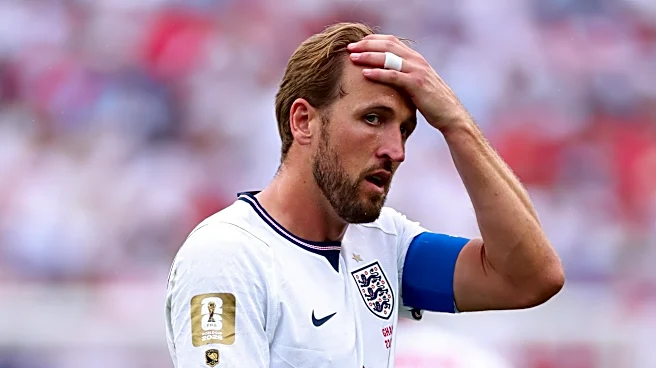
As the tournament narrows to the final four—Argentina, England, Spain, and France—the potential for high-profile drama in the stands multiplies. For France, attention will be on actress Ester Expósito, who has been dating star forward Kylian Mbappé. Argentina’s matches bring the possibility of seeing Tini Stoessel, a major pop star in her own right, supporting midfielder Rodrigo De Paul. And for England, the cameras will be searching for Tolami Benson, fiancé of star Bukayo Saka, and Katie Goodland, the wife of captain Harry Kane. These aren't just partners; they are personalities who drive clicks and command attention, providing the human-interest angles that fuel news cycles between matches.
A Calculated Spectacle
Ultimately, the constant cutaways to the crowd are anything but random. They are a calculated decision to maximize engagement and tell a broader story. In an era of fractured attention spans, showing a famous face offers a moment of easy recognition and a dose of pop culture glamour that keeps casual viewers hooked. It reinforces the event's status, signaling that this is the place to be, and be seen. The celebrity reaction shot—the agony of a missed goal, the ecstasy of a last-minute winner—provides a relatable emotional anchor for the audience at home. It’s a symbiotic relationship: the stars get to burnish their brands by appearing at a globally televised event, and the broadcasters get to leverage that star power to make their product more entertaining and marketable to the widest possible audience.