






More Than a Venue, It's a TV Studio
When you tune into a game, you’re not just watching an event; you’re the audience for a multi-million-dollar production. The biggest shift in modern stadium architecture is the realization that the primary audience is no longer the 70,000 people in the stands,
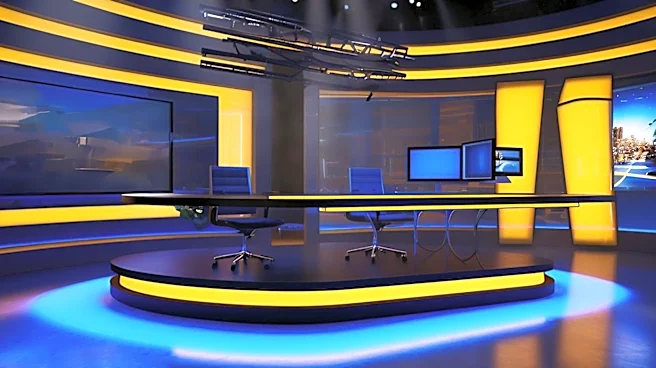
but the millions watching at home. This has fundamentally changed how these colossal structures are conceived. Architects now collaborate with broadcast consultants from day one to ensure the venue is optimized for the camera. From dedicated broadcast compounds to pre-cabled camera positions and even studios for pre-game shows, the entire building is designed to support a seamless media workflow. Venues like SoFi Stadium in Los Angeles were designed as true end-to-end 4K HDR broadcast facilities, setting a new standard for integrating media production directly into the architecture.
The Science of Flawless Lighting
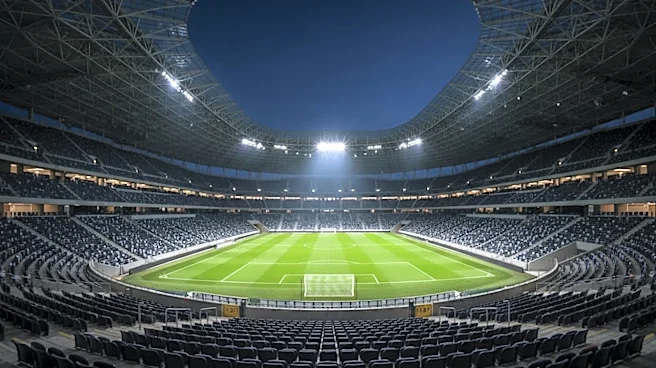
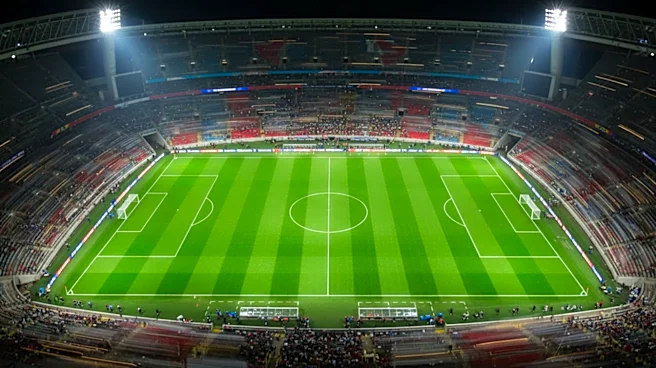
One of the most critical elements for a high-quality broadcast is lighting. Older metal halide lamps created a host of problems for television, including long warm-up times and a noticeable flicker on slow-motion replays. Today’s stadiums are built with advanced LED systems that have revolutionized the viewing experience. These flicker-free lights are essential for the super-slow-motion, high-definition replays that are now a staple of sports coverage. LEDs also offer a much higher Color Rendering Index (CRI), meaning the team jerseys, field turf, and advertisements appear more vibrant and true-to-life on screen. This technology ensures perfectly even illumination across the entire field, eliminating the distracting shadows and glare that could ruin a broadcast.
The Illusion of a Packed House
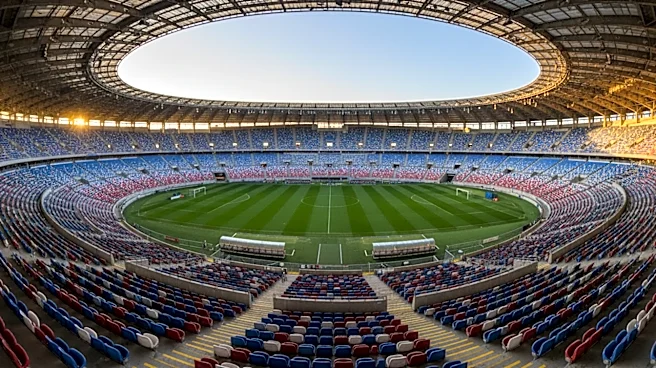
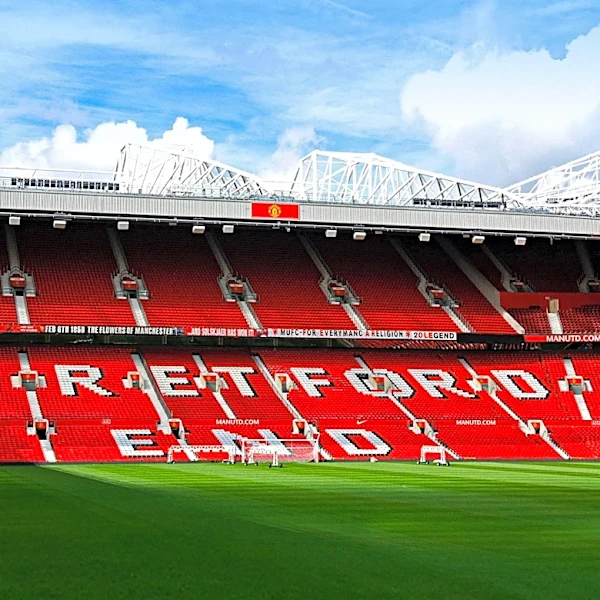
Have you ever noticed the random, multi-colored patterns of seats in newer arenas? That’s not an interior design quirk; it's a carefully engineered optical illusion for the TV audience. When a stadium isn't sold out, large blocks of empty, single-colored seats are glaringly obvious on camera, which can make a game feel less important. To solve this, designers use a “mosaic” or “pixelated” seating pattern with several different shades of the team’s colors. When a broadcast camera pans out, the human eye struggles to distinguish individual empty seats from the textured pattern, and our brains perceive the area as full. This visual trick makes the crowd appear more vibrant and energetic, enhancing the perceived excitement of the event for viewers at home.
Designing for the Perfect Shot
In the past, camera placement was often a compromise. Today, it’s a driving force in the design process. Architects now plan for dozens of specific camera positions, from the main platforms on the halfway line to robotic cameras suspended from the roof. Systems like the Spidercam, which flies over the field on cables, are no longer an add-on; the infrastructure to support them is built directly into the stadium's roof structure. Roofs themselves are also a key consideration. Translucent materials like Ethylene-tetrafluoroethylene (ETFE), used at SoFi Stadium and Allianz Arena, diffuse natural daylight to prevent harsh shadows on the field, creating ideal lighting conditions for cameras at any time of day. Even the acoustics are engineered to capture the roar of the crowd perfectly for the at-home sound mix.
A Canvas for Digital Content
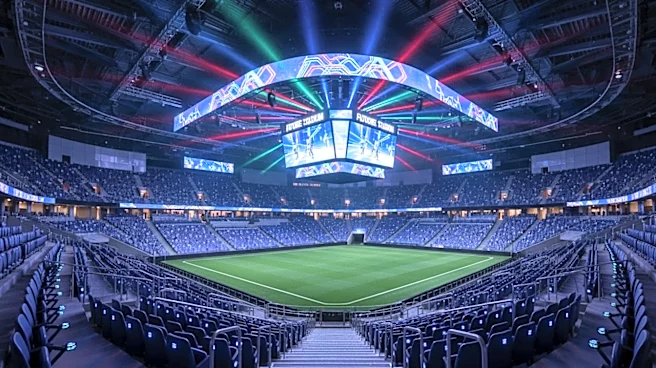
Modern stadiums are wrapped in digital displays, and their placement is anything but random. The “TV Arc,” the area of perimeter advertising most frequently seen by broadcast cameras, is a prime piece of real estate. These LED ribbons are designed with high refresh rates to avoid flickering on television, ensuring sponsor logos look crisp to the broadcast audience. But the screens go far beyond the field level. Massive, 360-degree video boards, like the one at SoFi Stadium, are designed not just for fans in the building but to create spectacular broadcast visuals. These integrated systems allow for a unified production, where the in-venue experience and the at-home broadcast feel like two sides of the same coin.