





A Tournament Designed for Drama
Forget the clean, predictable 32-team bracket you know. The 2026 World Cup, co-hosted by the U.S., Mexico, and Canada, introduces a 48-team format that injects a massive dose of uncertainty. The teams are split into 12 groups of four, with the top two
from each group advancing alongside the eight best third-place teams. This creates a new 32-team knockout round, adding an extra do-or-die match for anyone hoping to reach the quarterfinals. More teams, more games, and a convoluted path out of the group stage means the margin for error is both smaller and harder to calculate. A single bad result doesn't necessarily send you home, but navigating the permutations to survive and advance requires immense focus and on-field management. This is where a captain becomes more than just a player.
The Modern Captain's Burden
The official role of a captain is surprisingly limited in the rulebook, mostly confined to the pre-game coin toss. But their true responsibility is immense. They are the coach’s extension on the pitch, tasked with managing game tempo, organizing the team, and maintaining morale when momentum shifts. In a tournament defined by fatigue and pressure, a captain’s ability to keep their squad calm, focused, and accountable is priceless. The 2026 format, which requires finalists to play eight matches instead of the traditional seven, will test squad depth and endurance like never before. It’s a marathon, not a sprint, and the captain is the pace-setter, the motivator, and the one looked upon to guide the team through the inevitable moments of adversity.
The Global Icons: Mbappé and Kane
Two of the world’s biggest stars perfectly embody this heightened responsibility. For France, Kylian Mbappé is not just a goalscorer; he is the undisputed leader of a global powerhouse. His explosive talent can decide any match, but as captain, his burden is to channel the immense individual egos of the French squad toward a collective goal. His performances in the opening rounds have already demonstrated his comfort in carrying the team on his back. In contrast, England’s Harry Kane offers a quieter, more stoic brand of leadership. He leads by example, setting a standard of professionalism and ruthless efficiency that his teammates are expected to follow. For a nation perennially wrestling with tournament pressure, Kane’s steady hand is arguably England’s most important asset in navigating the emotional rollercoaster of a World Cup.
The Host Nation's Weight
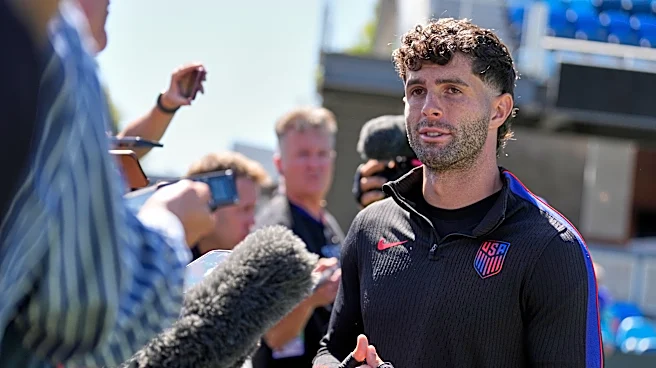
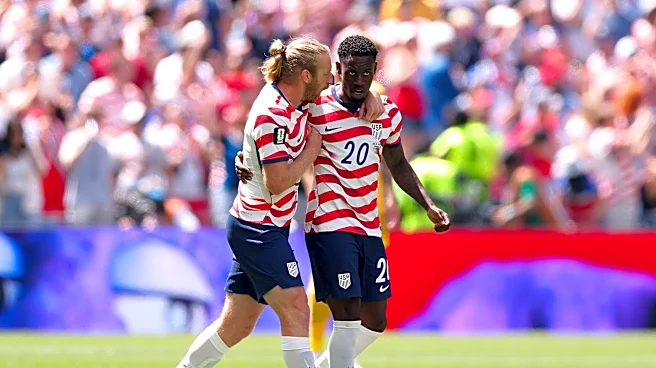
Nowhere will the pressure be more acute than on the host nations, particularly the United States. For years, Christian Pulisic has been the face of the USMNT, earning the nickname “Captain America” for his talismanic performances. He has often worn the armband and has a history of stepping up in crucial moments. However, in a fascinating leadership decision for the tournament, manager Mauricio Pochettino named 38-year-old veteran Tim Ream the official captain, prioritizing his experience and organizational voice over Pulisic’s star power. This decision highlights a core debate: is leadership best served by the most talented player or the most stable presence? How this dynamic plays out under the intense scrutiny of a home World Cup will be a defining narrative of the tournament.