




The Real MVP of Skin Prep Isn't Primer
For years, we've been told that primer is the secret to bulletproof makeup. While a good primer certainly helps, it’s not the most critical step. The true hero, especially when using long-wear formulas, is strategic and thorough hydration. Without an adequately
hydrated base, even the most expensive long-wear foundation will fail. Think of your skin as a canvas; you can't create a smooth, lasting painting on a surface that is cracked and thirsty. Hydration is what plumps the skin, smooths its surface, and creates a balanced foundation for makeup to adhere to.
Why Long-Wear Makeup Demands More Moisture
Long-wear foundations are specifically formulated to control oil and resist transfer, which often means they contain ingredients that can be mattifying or drying. When applied to skin that is already dehydrated, these formulas do something counterintuitive: they seek out moisture from the only source available—your skin itself. This process is what leads to common makeup problems. Your thirsty skin drinks the water content from the foundation, leaving behind just the pigment, which then settles into fine lines, clings to dry patches, and creates a cakey, uneven texture. Essentially, your skin and your makeup end up fighting each other for moisture, and the result is a separated, patchy finish that looks anything but flawless.
The Right Way to Hydrate for Lasting Power
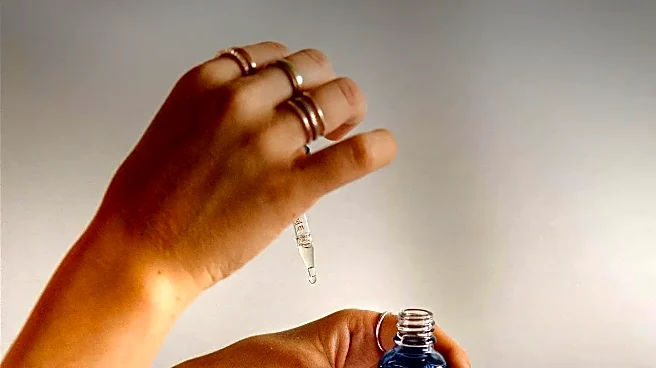
Proper hydration is more than just slapping on a single moisturizer. For makeup that needs to last, think in thin, absorbent layers. Start with a clean face. First, apply a hydrating toner or essence with ingredients like hyaluronic acid or glycerin to provide a deep layer of moisture. Allow it to sink in for a moment. Next, follow with a lightweight, targeted serum. The final and most crucial step is to seal it all in with a moisturizer that suits your skin type—a gel formula for oily skin or a lightweight cream for dry skin. The key is to give each layer a minute or two to fully absorb before moving to the next. This layering technique ensures your skin is deeply quenched and balanced, not just superficially slick, which can cause makeup to slide off.
What Happens When You Get It Wrong
Skipping proper hydration is the fastest route to makeup disappointment. If your skin is dehydrated, your foundation will appear patchy almost immediately. It will cling to any hint of texture, from dry spots around the nose to fine lines under the eyes. If your skin is oily but dehydrated (a common condition), skipping moisturizer can trigger your skin to produce even more oil to compensate, causing your makeup to break down and separate even faster. By midday, you'll see foundation gathering around your pores and sliding off your T-zone, forcing you into constant touch-ups that only add to a heavy, cakey appearance.
So, Where Does Primer Fit In?
This doesn't mean you should throw out your primer. Primer and moisturizer have two different jobs. Hydration addresses the health and condition of your skin, while primer addresses the texture and grip of your makeup. A primer’s role is to create a smooth, even surface by filling in pores and fine lines, and to give the foundation something to cling to. However, a primer cannot compensate for dehydrated skin. Applying a silicone-based primer over dry, flaky skin will only result in a pilling, uneven mess. For best results, think of hydration as step one and primer as step two. Once your skin is fully hydrated and your moisturizer has absorbed, a primer can then work its magic effectively, creating the ultimate canvas for your long-wear makeup.