


From Magazine Anniversary to Cultural Pillar
The Essence Festival of Culture wasn't born from a grand plan to create the nation's largest celebration of Black culture—it was supposed to be a one-off. In 1995, Essence magazine decided to celebrate its 25th anniversary with a 'party with a purpose'
in New Orleans. The inaugural lineup featured a staggering collection of legends like Luther Vandross, Gladys Knight, and Mary J. Blige, alongside thought leaders such as the Rev. Jesse Jackson. The event was so successful that it immediately became clear it couldn't be a one-time affair. It had tapped into a deep need for a space where the Black community could come together to celebrate its culture, artists, and achievements on a grand scale.
The Soundtrack of Generations
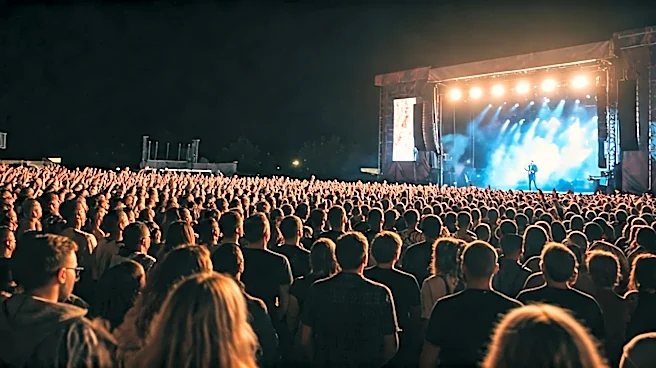
The festival's true genius lies in its multi-generational curation, functioning as a vibrant timeline of Black popular music. On the main stage of the Caesars Superdome, you can experience the entire spectrum. One night might feature a tribute to Patti LaBelle, the next a stadium-shaking set from Janet Jackson or Nicki Minaj. The festival was an early platform for rising stars like Beyoncé, Rihanna, and Usher, while simultaneously serving as a consistent home for soul and R&B titans like Jill Scott, Charlie Wilson, and The Isley Brothers. This unique blend ensures that the sounds of the 70s soul, 90s R&B, and contemporary hip-hop and Afrobeats don't just coexist; they inform each other. It's a place where a teenager might discover the funk their parents grew up on, and their parents can witness the evolution of the art form, all under one roof.
More Than Music: A Showcase of Style
To define Essence by its musical lineup alone is to miss half the story. It’s an archive of performance *styles*—the swagger, the choreography, the stagecraft, and the call-and-response that define Black artistic expression. Think of Prince's spellbinding 2014 performance, a masterclass in musicianship and showmanship just two years before his passing. Consider the visual and narrative power of Beyoncé's sets, the heartfelt soul-baring of Mary J. Blige, or the sheer, boundary-pushing creativity of a Missy Elliott show. The festival is also a stage for political and social expression, from Barack Obama's historic 2007 appearance as a senator to conversations with leaders like Michelle Obama and Vice President Kamala Harris, cementing its status as more than just a music festival.
The Unofficial Closing Ritual
Perhaps no tradition better encapsulates the festival's role as a living archive than the closing performances by Maze featuring Frankie Beverly. For the first 15 years, and frequently since, the band's set was the unofficial closing ceremony. The sight of thousands of attendees, dressed in all-white, singing along to classics like "Before I Let Go" became a sacred ritual. This tradition isn't just about one band; it’s about a shared experience passed down through generations of festival-goers. Though the Philadelphia-born band isn't from New Orleans, the city has adopted them, and their Essence performances became a cornerstone of the festival's identity, a testament to the deep, enduring connection between artists and the community they serve.