



A Playground with High Fences
To understand the fashion at Royal Ascot, you first have to understand the rules. For attendees in the prestigious Royal Enclosure, the dress code is notoriously specific and strictly enforced. For women, dresses must be of a “modest length” (falling
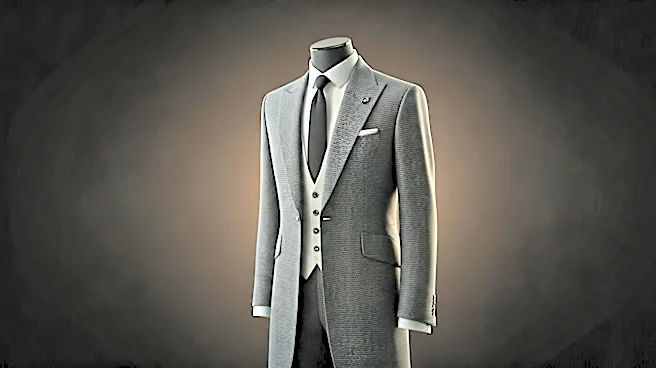
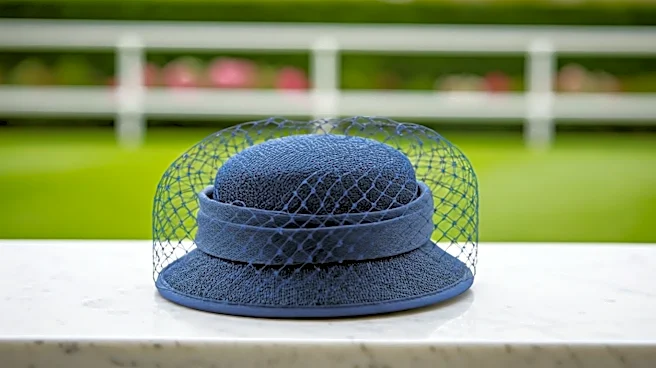
just above the knee or longer), straps must be at least one inch wide, and—most famously—a headpiece with a solid base of at least four inches in diameter is mandatory. No fascinators allowed. For men, it’s a black, gray, or navy morning suit with a waistcoat, tie, and a top hat. These aren't suggestions; they're commandments. This rigid framework could easily lead to a sea of sartorial sameness. Instead, it creates a unique creative challenge. Designers and attendees can't rely on revealing cuts or casual trends to stand out. They have to innovate within a very small, well-defined box. This is precisely why referencing fashion history becomes such a powerful tool. It’s a way to be distinctive and demonstrate flair without breaking a single rule.
Echoes of Dior's Post-War Glamour
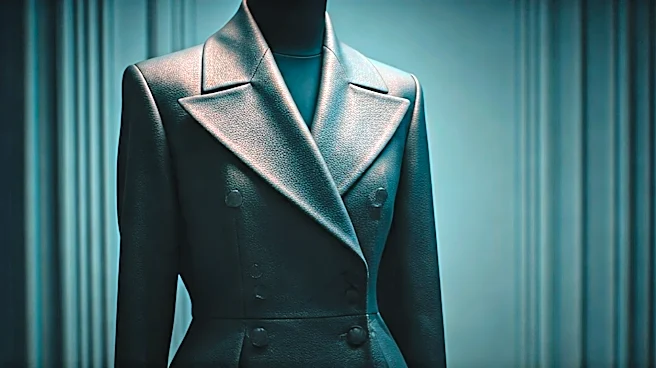
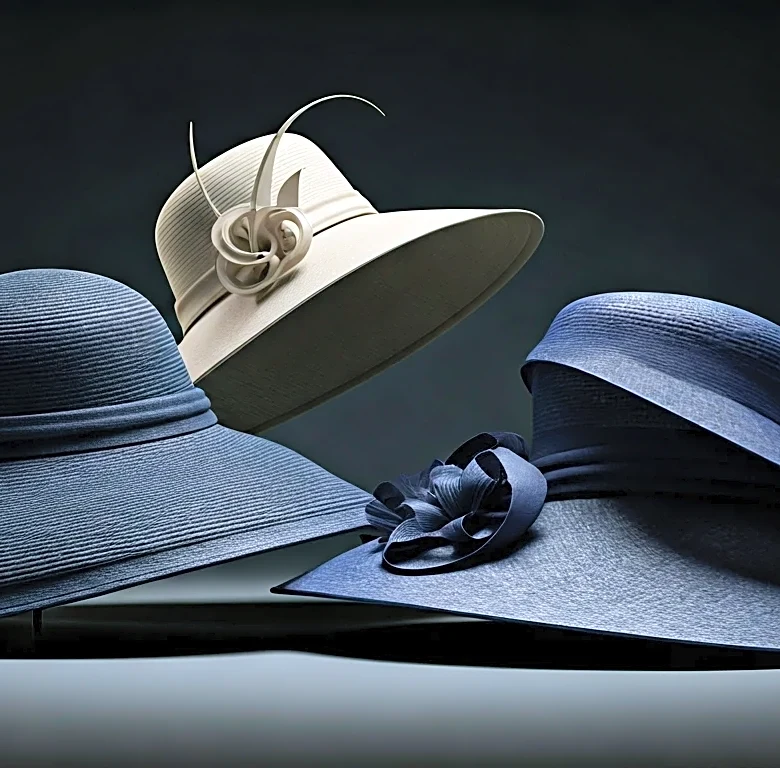
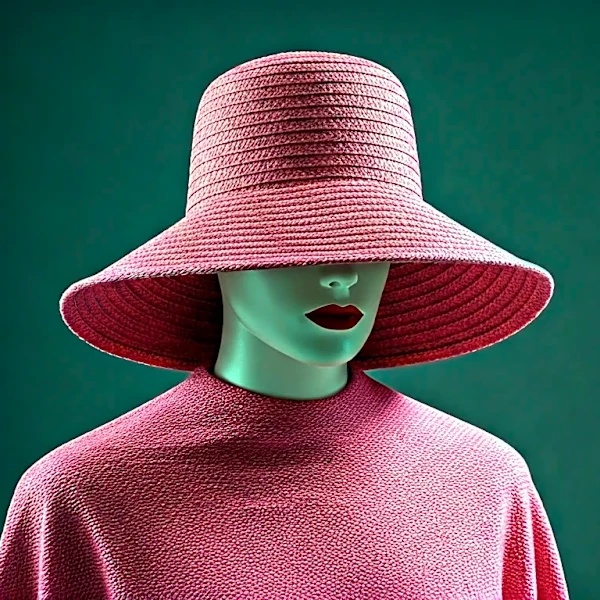
One of the most powerful historical touchstones at Ascot is Christian Dior’s 1947 “New Look.” Characterized by its nipped-in waist, voluminous mid-calf skirt, and soft shoulders, the silhouette was a celebration of femininity and luxury after the austerity of World War II. It’s a perfect match for Ascot’s formal daytime setting. Modern interpretations aren't simple reproductions. A contemporary racegoer might wear a New Look-inspired dress in a shocking neon or a modern digital print. The hat, while adhering to the four-inch rule, might be an architectural sculpture made from sustainable sinamay rather than traditional feathers. The effect is one of instant recognition—a nod to a golden age of couture—but with a twist that feels fresh and personal. It telegraphs an understanding of fashion history while simultaneously marking the wearer as a modern style leader.
From '80s Shoulders to '60s Shapes
The retro-modern fusion isn't limited to the 1950s. The ghost of Princess Diana, a perennial Ascot style icon, often appears in the form of 1980s-inspired looks. Think bold polka dots, defined shoulder pads (softened for the 21st century), and elegant boater hats tilted at a playful angle. These outfits evoke a sense of confident, regal glamour that feels both nostalgic and powerful. Similarly, the clean, graphic lines of the 1960s are a recurring theme. A-line dresses, monochrome color-blocking, and pillbox-style hats are a subtle rebellion against the frills and florals that can dominate the event. These looks feel sharp, sophisticated, and coolly minimalist. By cherry-picking the strongest silhouettes from different decades, attendees can craft a look that feels both classic and completely of the moment. It’s less about a costume party and more about using the past as a rich and varied style library.
The Psychology of Stylish Nostalgia
So why does this happen? It’s not just because fashion is cyclical. At Ascot, borrowing from the past is a form of “safe rebellion.” You’re showcasing individuality and a deep knowledge of style without risking being turned away at the gates. An outfit that references a classic Hubert de Givenchy design is undeniably chic and rule-abiding, but it also tells a more interesting story than a simple off-the-rack dress. Furthermore, in a world of fast fashion and fleeting micro-trends, wearing an outfit that references a time of meticulous craftsmanship and timeless design is a status symbol in itself. It suggests an appreciation for quality and permanence. The past becomes a filter for elegance. By borrowing a silhouette that has already stood the test of time, you’re betting on a sure thing—and then making it your own with modern styling, unexpected accessories, or a confident attitude.