


The Casual Fan’s Social Contract
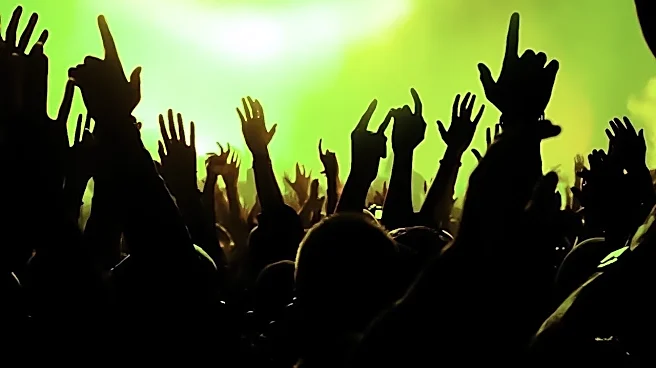
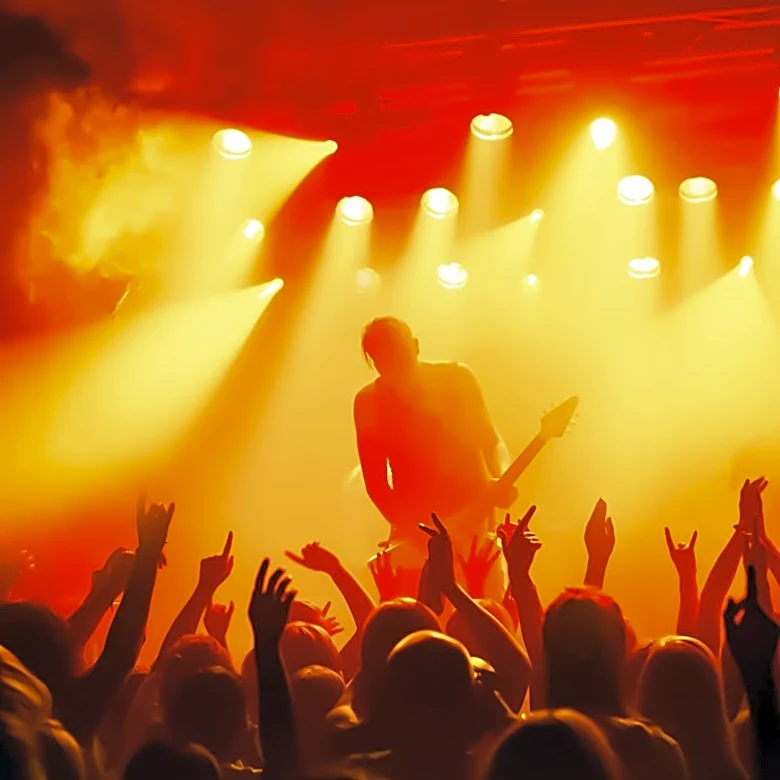
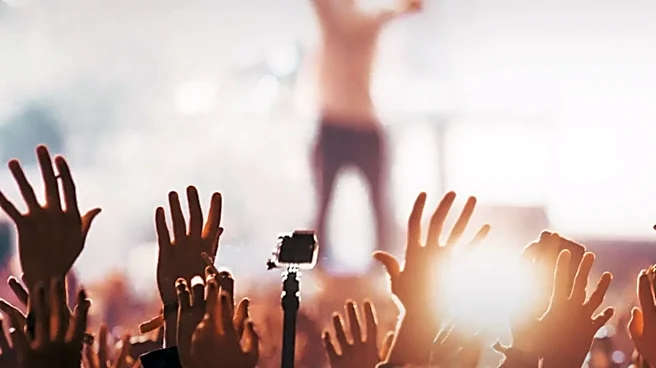
For the majority of festival-goers, the event is a social spectacle as much as a musical one. They’re there for the shared experience, the sun, and the singalongs. For this listener, a setlist is an implicit promise: play the songs we know. The hits are the currency
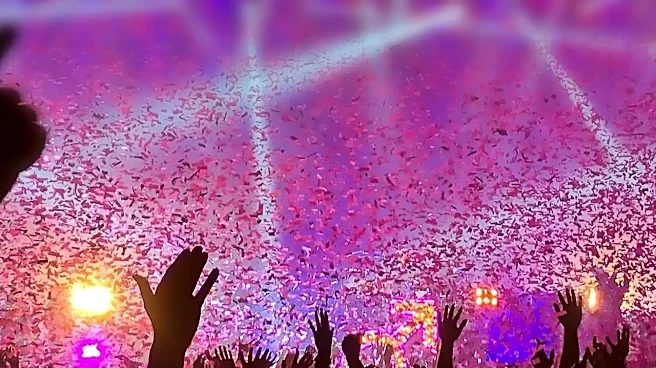
of their fandom, the tracks that soundtracked their lives, appeared in their favorite movies, or went viral online. Hearing a chart-topper live isn't just about the music; it's a moment of mass connection. When thousands of people sing a chorus together, it creates a powerful, unifying feeling that becomes a core memory of the event. These fans have likely paid a premium for tickets, travel, and lodging. In their view, an artist has a certain obligation to deliver the crowd-pleasers that made them famous enough to headline in the first place. A setlist heavy on obscure tracks can feel like a betrayal of that unspoken agreement, leaving them feeling disconnected and bored.
The Hardcore Fan’s Quest for Rarity
On the other side of the field are the die-hards. These are the fans who run the subreddits, collect the vinyl, and have seen the artist perform multiple times. For them, the hits are old news. What they crave is novelty and recognition of their dedication. A deep cut—a non-single, a rarity, or a B-side—is a reward. It’s a nod from the artist that says, “This is for those of you who have been paying close attention.” These songs often showcase a band's musicianship or lyrical depth in a way radio singles don't. Hearing a deep cut live is an exclusive, “I was there when” moment that solidifies their status within the fan community. For these fans, a predictable, hits-only set can feel like a lazy, passionless performance. They aren't just there to hear the album again; they want a unique, unrepeatable live experience that proves their loyalty is valued.
The Artist’s Impossible Balancing Act
Caught in the middle of this tug-of-war is the artist. Crafting a festival setlist is a delicate art and a strategic science. They have a limited time slot, often shorter than their own headlining shows, to make an impression on a vast, mixed audience. Pleasing the hardcore fans with deep cuts can create incredible moments of intimacy, but it risks losing the energy of the wider crowd. Conversely, a straightforward greatest-hits package satisfies the masses and creates viral social media moments, but it can feel repetitive for the band and alienate their most devoted supporters. Many artists attempt a blend: anchoring the set with undeniable hits at the beginning and end while weaving in a few surprises for the dedicated. Some even rearrange their biggest songs to keep them fresh, though this also risks frustrating fans who just want to hear the song as they know it.
The Festival’s Bottom Line
Ultimately, the structure of the music festival industry itself heavily favors the casual listener. Festivals are massive commercial enterprises that thrive on broad appeal. Headliners are booked and paid enormous sums to draw tens of thousands of people, not just a few thousand superfans. The success of a festival is often measured by its big, shareable moments—the kind generated by universally recognized anthems. A strong festival performance can lead to a huge spike in streaming numbers and create sustained career momentum, an effect that is maximized when the songs are already familiar to a large audience. This economic reality puts pressure on artists to deliver a performance that caters to the widest possible demographic, ensuring the festival generates maximum buzz and ticket sales for the following year. While the debate rages on in the crowd, the business of music has already picked a side.