

The Philosophy of the Intentional Scarf
What separates a truly stylish person from someone who is just wearing clothes? Often, it's a single, thoughtful detail. When it comes to winter outerwear, that detail is the scarf. Tying a scarf with intention means moving it from a purely utilitarian
item—something you grab for warmth—to a deliberate style choice that completes your look. It’s the difference between hastily throwing it around your neck and taking ten extra seconds to create a shape that complements your coat. According to style experts, avoiding overly complex knots is key; true elegance lies in simplicity and the quality of the fabric's drape. The goal is an effect that feels considered yet effortless, instantly making your entire outfit look more polished and put-together.
The Parisian Knot, but Looser
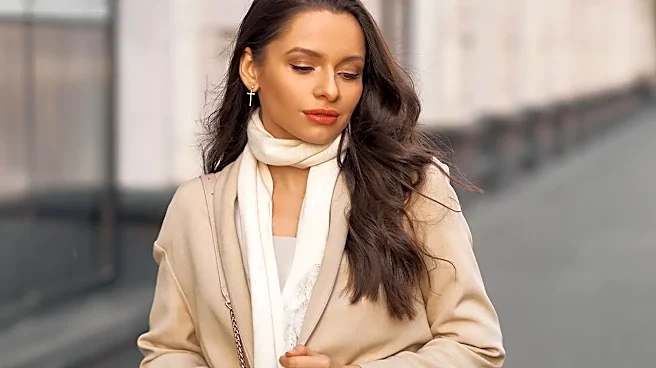
The Parisian Knot (or French Loop) is a classic for a reason: it's simple, secure, and warm. You create it by folding your scarf in half, draping it around your neck, and pulling the two loose ends through the loop. But the secret to making it look intentional, not restrictive, is to avoid tightening it right under your chin. Instead, let the knot sit lower, around your collarbone, creating a relaxed V-shape that frames your face. This small adjustment prevents the scarf from looking bulky and adds a touch of effortless French-inspired flair. This knot works especially well with classic wool or cashmere scarves paired with tailored overcoats or blazers.
The Hidden Knot Drape
For a sleek, minimalist look, the Hidden Knot is an elegant solution. This technique works beautifully with formal coats that have a structured collar or lapels. Start by draping the scarf around your neck and tying a simple, soft knot at your chest. Then, tuck both hanging ends neatly under the lapels of your coat, leaving only the loop of fabric visible around your neck. The result is a clean, architectural line that adds a pop of color or texture without any dangling ends. It’s a polished method that keeps the focus on the neckline, offering warmth and style while maintaining a streamlined silhouette. This works best with scarves made of thinner materials like silk or fine-knit cotton.
The Belted Drape
A favorite on fashion runways, belting your scarf transforms it from a simple accessory into a structural part of your outfit. This method is especially effective with oversized or blanket scarves. Drape the scarf evenly over your shoulders, letting the ends hang down in front over your coat. Then, fasten your coat's belt—or add your own—over the scarf at your natural waist. This instantly creates an hourglass shape, even over a straight or boxy coat, and turns the scarf into a piece resembling a vest or sleeveless layer. It’s a powerful styling trick that adds dimension and shape while preventing a large scarf from overwhelming your frame.
The Effortless Shoulder Toss
The epitome of "sprezzatura," the Italian concept of studied carelessness, is the simple shoulder toss. While it looks like you just threw it on and walked out the door, there's a subtle art to it. This style works best with long scarves made from materials that have a bit of weight and drape, like wool or cashmere. Wrap the scarf once loosely around your neck, leaving one end significantly longer than the other. Then, simply toss the long end over the opposite shoulder. The key is asymmetry; the uneven ends and the natural movement of the fabric as you walk create a dynamic, confident look that feels both relaxed and incredibly chic.