


The Runway Report: A Softer Silhouette
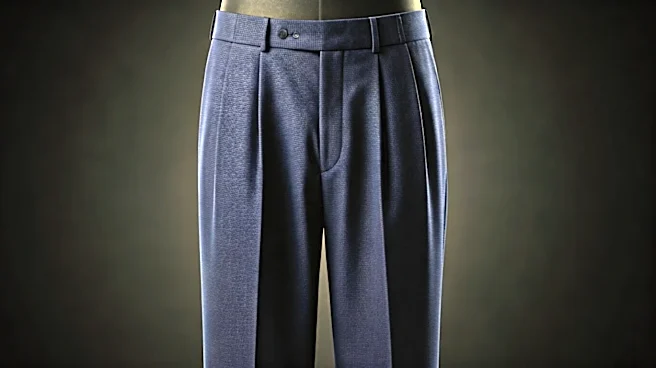
Forget the razor-sharp, spray-on skinny jeans that dominated menswear for the better part of two decades. The prevailing mood in Milan, from heritage houses like Zegna and Gucci to avant-garde trendsetters like Prada, was one of ease and volume. The key
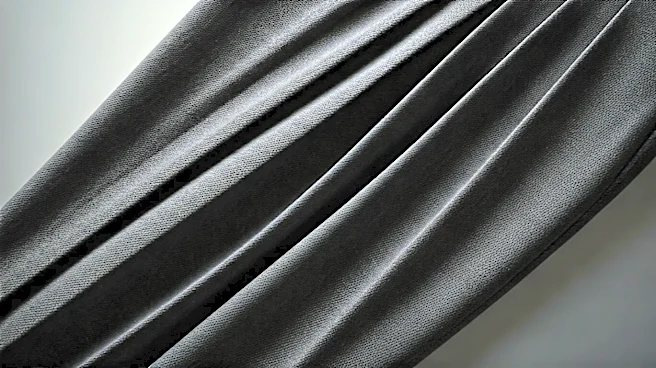
to achieving this new, softer silhouette? The humble pleat. But these aren’t the billowing, quadruple-pleated trousers of your grandfather’s 1980s power suit. Today’s iteration is subtler and more refined. We’re seeing single or double pleats that add just enough room through the thigh, creating a gentle drape that flows elegantly rather than balloons. The effect is architectural yet relaxed, giving trousers a sense of movement and dimension that flat-front pants simply can’t match. It’s a quiet detail that completely changes the character of an outfit, shifting it from restrictive and rigid to fluid and confident.
The Comfort Factor: More Than Just Fabric
Here’s the part that makes this a truly practical upgrade: comfort. A pleat is, at its core, a fold of extra fabric sewn into the waistband. When you sit, stand, or move, that fold expands, giving you more room right where you need it. This seemingly small detail is a game-changer for all-day wear. While flat-front trousers can bind at the hips and thighs when you’re seated at a desk or getting into a car, pleated pants move with you. This built-in functionality is a welcome relief in a post-pandemic world where comfort has become a non-negotiable luxury. Designers are finally acknowledging that men want to look sharp without feeling constricted. By reintroducing the pleat, they are offering a sartorial solution that marries the polish of traditional tailoring with the ease of loungewear—a combination that feels perfectly tuned to the demands of modern life.
A Nod to the Past, A Look Forward
Pleats are nothing new, of course. They’ve cycled in and out of fashion for a century, defining the wide-legged confidence of 1940s Hollywood icons like Cary Grant and the exaggerated silhouettes of the 1980s Wall Street boom. Their return now isn’t just simple nostalgia; it’s a deliberate rejection of the super-slim, almost aggressively youthful aesthetic that dominated the 2000s and 2010s. That look, popularized by designers like Hedi Slimane, was all about a taut, rock-and-roll posture. The new pleated look is more grown-up, more self-assured. It doesn’t rely on being skin-tight to make a statement. Instead, it finds power in drape, comfort, and a relaxed sense of elegance. It suggests a man who is comfortable in his own skin and doesn't need his clothes to scream for attention. This return to a classic tailoring element feels like menswear rediscovering its own history to build a more versatile future.
How to Wear Them Without Looking Dated
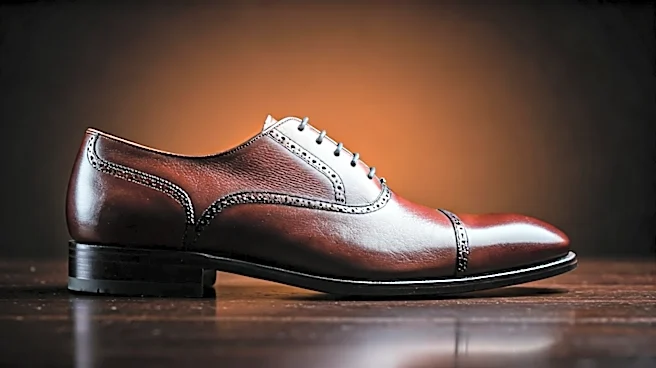
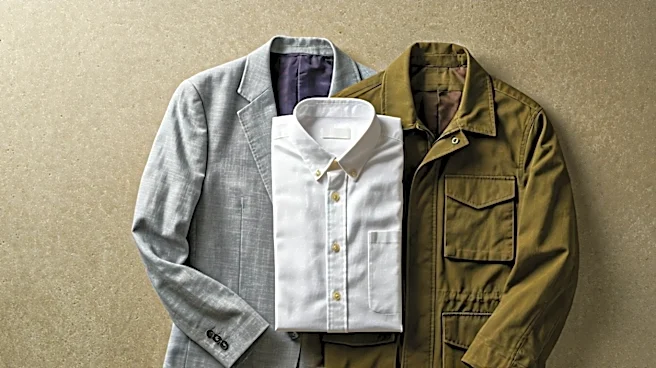
The fear with pleats is always looking like you’ve raided a dusty closet. The key to making them feel current is all about proportion. Since the trousers have more volume, what you wear on top should be balanced. A slightly cropped jacket, a neatly tucked-in knit polo, or a simple, well-fitting T-shirt all work beautifully. The goal is to create a clean line and avoid being baggy from head to toe. The shoe choice is also crucial: a sleek loafer, a minimalist sneaker, or a classic derby will anchor the look and keep it feeling sharp and intentional. Think of the pleated trouser not as a statement piece, but as a new foundation for your wardrobe—a versatile, comfortable, and sophisticated alternative to your everyday chinos or denim. It’s a single swap that can instantly elevate your entire look.