

The Allure of the Algorithm
It’s easy to see the appeal. An artist like Lil Nas X breaks through with “Old Town Road,” a song that’s not just a hit but a cultural event, dominating charts and social media simultaneously. For a festival promoter, the math looks simple: a massive,
digitally native audience is already engaged. Why spend millions on a legacy act when you can capture the lightning-in-a-bottle energy of an artist who is, at this very moment, the center of the internet’s attention? This new pipeline promises a direct line to Gen Z ticket buyers, offering built-in marketing and the kind of organic hype that ad campaigns can’t buy. Booking a viral star feels less like a traditional talent buy and more like a savvy media partnership. The artist’s followers become a pre-made marketing list, and their next viral moment could become a free commercial for your festival. It’s a tantalizingly modern formula for success.
An Audience Isn't a Fanbase
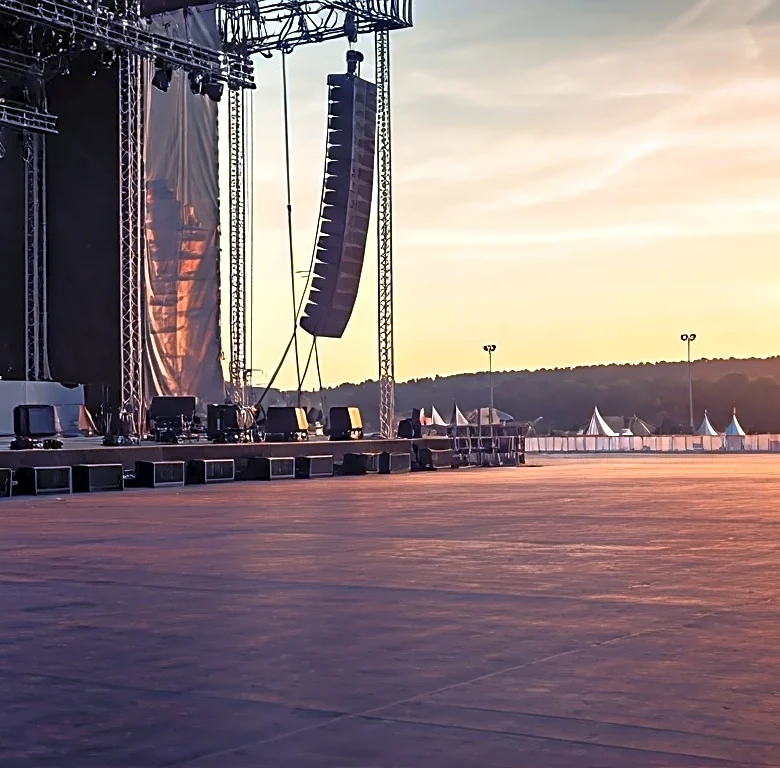
Here's the first hidden risk: there is a Grand Canyon-sized gap between a passive listener and a paying customer. Someone who loves a 15-second clip on TikTok and uses it in their own videos is an engaged user, but they are not necessarily a fan of the artist. They may not know the artist’s name, their other songs, or have any intention of spending $150 on a festival ticket plus travel and concessions to see them perform. Traditional artists build fanbases over years, cultivating a loyal following through multiple albums, tours, and a consistent identity. This creates a reliable core of ticket-buyers. A viral hit, by contrast, often creates a vast but shallow audience. The artist is secondary to the trend. Promoters who mistake millions of streams for millions of dedicated fans risk staring at a field of empty grass, wondering why the online buzz didn't translate into real-world bodies.
From 30 Seconds to a 45-Minute Set
The second, and perhaps more crucial, risk is one of pure performance. An artist who crafts a perfect, algorithm-friendly snippet of a song in their bedroom may not have the experience, material, or stage presence to command a festival crowd for a full 45-minute or hour-long set. A festival slot is a demanding beast. It requires more than one great song; it requires a catalog of solid material, the stamina to perform it live, and the charisma to connect with thousands of people who might be distracted, tired, or waiting for the next act. We’ve seen this play out before, long before TikTok. Countless one-hit wonders have struggled to follow up their initial success. The difference now is the speed and scale. An artist can go from obscurity to a main stage booking in months, bypassing the traditional proving grounds of small clubs and opening slots where they would normally hone their craft. Throwing them onto a massive stage prematurely isn't just a risk for the festival's quality; it can be a brutal, career-stalling experience for the artist themselves.
The Unforgiving Pace of Culture
Finally, there’s the issue of timing. The festival business operates on a long timeline. Headliners are often booked six to twelve months in advance. But internet culture moves at the speed of light. The song that is dominating the discourse in January could be a forgotten meme by the time the festival gates open in August. A lineup built around the “sound of the summer” might feel stale before summer even begins. This puts promoters in a precarious position. They are betting that an artist’s fleeting digital relevance will hold for nearly a year. If the trend dies, the artist fails to produce a follow-up, or the fickle attention of the internet simply moves on, the promoter is left holding a marketing bag for an act that no longer resonates. The festival, once curated to be on the cutting edge, suddenly looks out of touch.