




More Than Just Surface-Level Style
To say Italian shoes are made from great leather is like saying a luxury car is made of metal; it’s true, but it misses the entire point. While Italian tanneries are world-renowned, the material is just the starting point. The defining quality of this
footwear comes from a deeper philosophy, one that prioritizes how a shoe is assembled from the inside out. For centuries, Italian shoemaking has been a tradition passed down through families and guilds, with artisans mastering specific, intricate techniques. This isn't about mass production; it's about a series of deliberate choices that determine a shoe's flexibility, silhouette, and comfort before it ever gets its final polish. Forget the brand on the box for a moment, because the real genius lies in the stitches.
The Blake Stitch: Built for Elegance
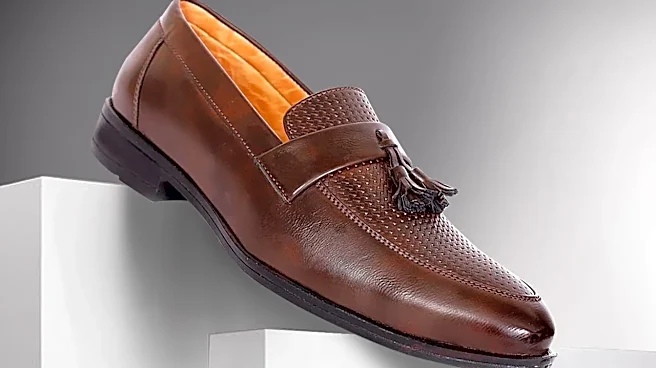
One of the signature techniques in Italian shoemaking is the Blake stitch. In this method, a single line of stitching runs directly from the insole, through the upper, and into the outsole, binding the shoe together in one clean seam. This seemingly simple process has profound effects. First, it allows for an incredibly sleek, close-cut silhouette that is nearly impossible to achieve with bulkier construction methods. This is why Italian loafers and dress shoes often look so trim and refined. Second, it makes the shoe exceptionally flexible right out of the box, requiring a much shorter break-in period. The trade-off is slightly less water resistance, but the Blake stitch isn't about braving a storm; it's about creating a shoe that moves with the foot with an unmatched elegance.
Sacchetto: The Art of Slipper-Like Comfort
For the ultimate expression of comfort, high-end Italian shoemakers turn to a method called "Sacchetto," which translates to "little bag." This technique is as poetic as it sounds. The lining and insole are first stitched together to form a soft, seamless pouch—like a leather sock—before the upper is attached. This eliminates the need for a rigid insole board and minimizes the use of glue, resulting in a shoe that is astonishingly flexible and soft. When you slip on a shoe made with Sacchetto construction, it feels less like structured footwear and more like a glove molding to your foot. It’s a labor-intensive art practiced by only a few workshops, representing a commitment to comfort as the ultimate form of luxury.
The Human Element: Generations of Know-How
These construction methods are not just technical processes; they are cultural artifacts. The tradition of Italian shoemaking dates back to medieval guilds, where skills were honed over lifetimes and passed from master to apprentice. Many of the most respected workshops today are still family-run businesses located in historic footwear districts like Marche and Tuscany. This heritage creates an environment where craftsmanship is valued over speed and authenticity over automation. Each shoe, which can take dozens of hours to produce, is a testament to human skill—the steady hand that cuts the pattern, the trained eye that selects the leather, and the muscle memory that guides the stitching. This human touch is the invisible ingredient that separates a good shoe from a great one.