




The World on a Soundstage
A show's setting is its financial foundation. Shooting on location lends authenticity but comes with unpredictable costs like permits, weather delays, and travel for the entire crew. That's why many shows opt to build their worlds on soundstages. While
constructing a detailed set can be pricey upfront, it offers total control over lighting and sound, and the costs can be spread out (or amortized) over a season. Period pieces like "The Crown," which reportedly spent around $13 million per episode, dedicate huge portions of their budget to recreating historical settings with painstaking accuracy. In contrast, a sitcom filmed on a handful of reusable sets keeps these costs relatively low, allowing the budget to be focused elsewhere.
Paying for Star Power
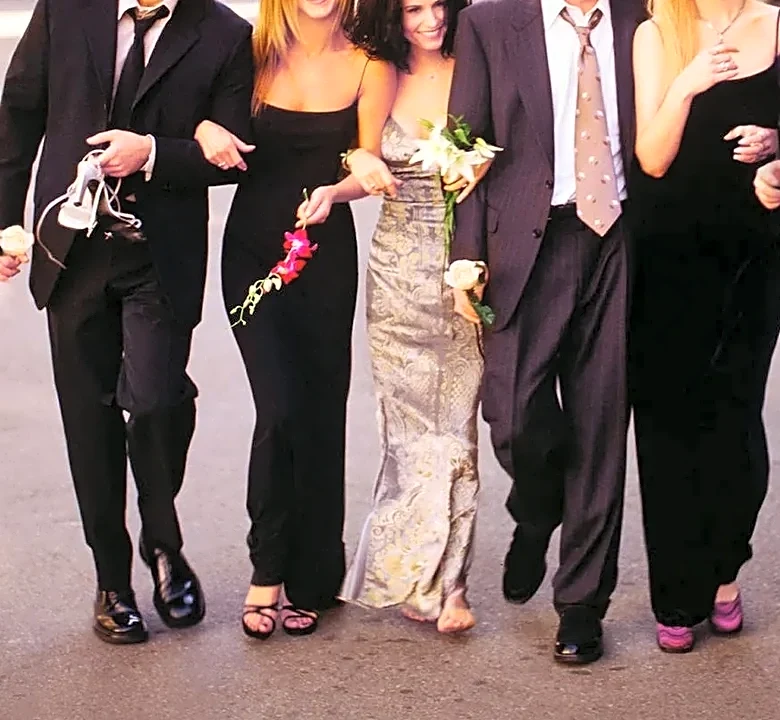
Actors' salaries are one of the most significant and variable line items. A cast of unknowns on a new show might start around $35,000 per episode. However, landing an A-list star can instantly inflate a budget. Top-tier talent can command anywhere from $750,000 to over $1 million per episode, a negotiating feat famously achieved by the cast of "Friends" in its final seasons. This "above-the-line" cost, which also includes writers and producers, is a strategic investment intended to guarantee an audience. But it's not just about the leads; a large ensemble cast, even without huge names, means more salaries, costumes, and scheduling, all of which add up quickly. Even recurring guest stars can earn between $5,000 and $15,000 per episode.
Pixels Don't Come Cheap
Visual effects (VFX) are the reason TV can now rival blockbuster movies in spectacle. But digital magic is expensive. Costs can range from a few thousand dollars per second for simple touch-ups to over $50,000 per second for complex CGI creations. Shows like "House of the Dragon" and "The Mandalorian" invest heavily in VFX, with budgets reportedly sitting at $20 million and $15 million per episode, respectively. Creating fantastical creatures like dragons or entire digital environments requires hundreds of artists and immense computing power. Even shows set in the real world use VFX for things you don't notice, like removing unwanted objects from a shot or creating seamless cityscape backdrops, all of which contribute to the final price tag.
The Episode Count Equation
The shift from broadcast television's 22-episode seasons to the streaming model's 8-10 episodes has fundamentally changed TV budgeting. With a shorter run, fixed costs like building major sets are spread across fewer episodes, which can increase the per-episode price. However, a shorter season also allows a show to concentrate its resources. Instead of stretching a budget thin, producers can invest more heavily in each hour, resulting in higher production values, more intricate visual effects, and the ability to attract film actors who aren't looking to commit to a nine-month shoot. This model allows prestige dramas to function more like a series of interconnected movies, each with a budget that would have been unthinkable in the era of network dominance.