





The Nomination Heard 'Round the Internet
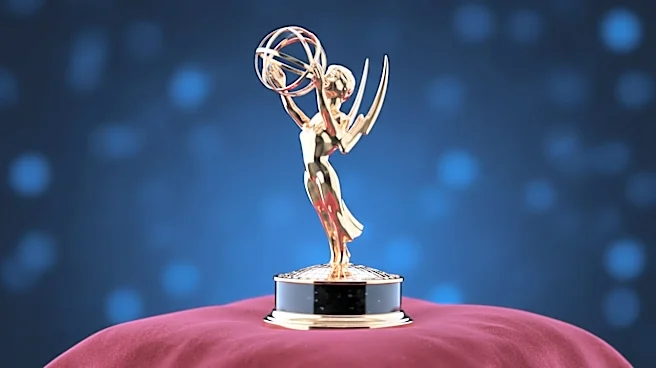
When the 2026 Emmy nominations were announced on July 8th, the internet did what it does best: it erupted. While established heavyweights like “The Pitt” and “Hacks” predictably soaked up dozens of nods, another name created a different kind of shockwave.
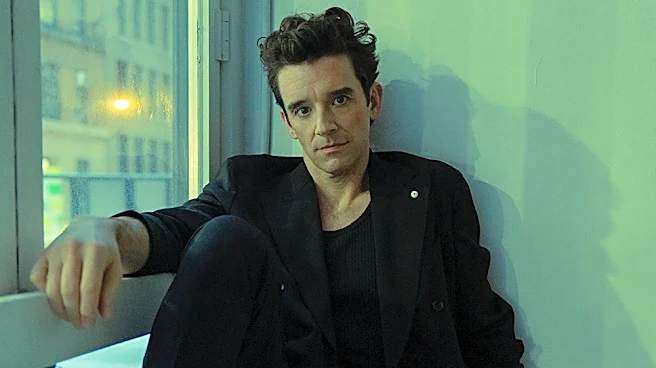
This one wasn't for a ratings juggernaut or a critical darling anointed from its first episode. It was for an actor long considered one of television’s most valuable, yet consistently overlooked, players. The nomination of a beloved character actor, in this case for a quirky, genre-bending show that lives just outside the mainstream, felt different. Social media feeds flooded not with polite congratulations, but with pure, unadulterated joy. It was a chaotic symphony of celebratory memes, all-caps declarations of “FINALLY,” and virtual high-fives between strangers who shared a singular, passionate opinion: it was about time.
A History of Being Overlooked
This kind of fan ecstasy isn't born overnight. It’s cultivated over years of perceived snubs. Every awards cycle, devoted fandoms watch as their favorite niche shows and underrated performers are passed over for more traditional, high-profile fare. These aren't just casual viewers; they are deeply invested followers who champion these shows in online forums, create fan art, and evangelize to their friends. They see the nuanced performances and brilliant writing that major awards bodies often seem to miss. Actors like Stephen Root, who finally landed a nomination for Apple TV's “Widow's Bay” at age 74, or Harrison Ford, who only recently entered the Emmy conversation for his work on “Shrinking,” embody this phenomenon. For years, their consistently excellent work has been the glue holding beloved projects together, earning them immense respect from peers and fans, even if it didn't translate to nominations. The celebration, when it finally comes, is a release of years of pent-up frustration.
More Than Just an Award
So why does a simple nomination feel like such a personal win for thousands of people? Because it’s about validation. In an era of infinite choice, what we choose to watch becomes a small part of our identity. Championing an underdog show or actor feels like having a stake in their success. When an awards body finally acknowledges that brilliance, it validates the fans' own taste and judgment. It’s a message from the industry establishment that says, “You were right all along. We see it now, too.” This moment transcends the individual nominee; it becomes a victory for the entire community that supported them. It proves that their collective voice was loud enough to be heard and that their passion had a real, tangible impact on the cultural conversation. It’s the fandom’s Super Bowl, and the nomination is their touchdown.
The Power of a Modern Fandom
This dynamic has been supercharged by social media. In the past, a letter-writing campaign to save a show was the peak of fan organizing. Today, fandoms operate like unpaid, full-time PR machines. They coordinate hashtag campaigns, create viral video compilations of an actor’s best scenes, and engage directly with critics and industry voters. They have become a powerful, visible force that can shape narratives and keep a performance in the awards conversation long after its air date. This year's nominations, and the ecstatic reactions to the long-overdue ones, show that the wall between the industry and the audience is more permeable than ever. The fans aren't just passive consumers anymore; they are active participants, and sometimes, their sheer, relentless belief is enough to help push a deserving name onto the world's biggest stage.